How to Get Out Washing Machine Stains: A Complete Guide
Learn proven methods to remove stains from clothes caused by washing machines and keep your washer clean. Step-by-step guidance, stain-specific remedies, and maintenance tips to prevent future marks.


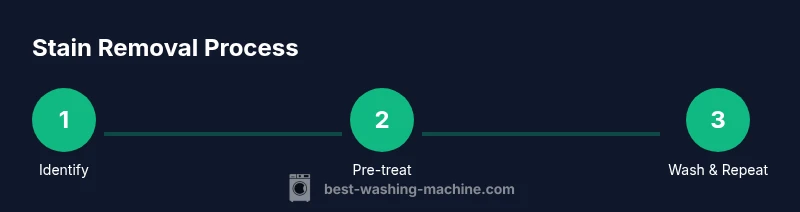
To get out washing machine stains, first identify the stain type, pre-treat with an appropriate remover, and wash on the right cycle. For detergent or rust-induced marks, pre-soak with vinegar or baking soda and run an empty hot wash with a washer cleaner. Finish by cleaning the drum and seals to prevent future stains.
Why stain problems arise in washers and how to fix them
Stains that appear after a wash are usually the result of residue, dye, rust, or mildew rather than new stains from your garment alone. The washing machine environment can contribute to staining if parts of the cycle are under- or over-spent, if you overload the drum, or if you use too much detergent. The Best Washing Machine team notes that understanding the source is the first step to a reliable fix. In this section, we cover common causes and practical remedies to stop stains from ruining outfits. Start by checking the garment's care label and choosing a pre-treat method that aligns with the stain type. If you keep a small toolkit of stain removers, you can respond quickly rather than letting stains set.
Identify the stain types you’re dealing with
Different stains require different remedies. Protein stains from sweat or blood behave best with cold water and enzyme-based cleaners, while tannin stains from coffee or tea respond to warmer washes paired with a gentle detergent. Grease or oil stains often need a spot treatment with dish soap or a dedicated stain remover before washing. Rust stains can indicate aging pipes or metallic components; these often respond to acidic pre-treatments like lemon juice or white vinegar, but use them sparingly on delicate fabrics. When in doubt, begin with a mild enzymatic cleaner and test on an inconspicuous area. The Best Washing Machine analysis highlights that correctly identifying the stain type reduces trial-and-error and protects fibers.
Pre-treat common stain types before washing
Apply a stain remover directly to the stain and let it work for 5–15 minutes. For protein stains, enzyme cleaners are effective; for tannins, a baking soda paste can help neutralize acidity. Oil-based stains respond to a small amount of dish soap; dab, don’t rub, to avoid fiber damage. After pre-treating, wash according to the garment label and stain type, usually at a cooler temperature for delicate fabrics and warmer temps for sturdy textiles. Rinse and re-check before drying. The goal is to loosen the stain without setting it, then flush away loosened residue in the wash.
Remove detergent and fabric-softener residue stains
Residue stains occur when excess detergent or dryer sheets deposit a film on fabrics. To combat this, run an empty cycle with hot water using a washer cleaner or white vinegar in the drum. Wipe the detergent drawer and door seal with a damp cloth after the cycle to remove residual buildup. If films persist, adjust the amount of detergent you use and consider switching to a high-efficiency formula. This routine also helps prevent the dull, streaky look that can accompany residue.
Rust and dye transfer stains from washers
Rust stains present as orange-brown marks and often trace back to corroded metal components or discolored water. Inspect hoses for rust, ensure a stable water supply, and avoid using harsh metal cleaners on staining fabrics. For mild rust, lemon juice or white vinegar can help with a light soak; avoid prolonged exposure on fragile fabrics. Dye transfer occurs when new clothes bleed color; prevent by washing new garments separately or using color-catching sheets. If a stain remains, treat with a color-safe oxygen bleach and launder separately.
Cleaning the washing machine to prevent future stains
Regular machine cleaning eliminates the sources of many stains. Start by running a hot cycle with an empty drum and a washer cleaner or a cup of white vinegar. Clean the gasket, door seal, and the detergent drawer, removing any moldy gunk. Wipe down the drum after cycles and leave the door slightly ajar to improve drying. The Best Washing Machine team recommends a monthly maintenance ritual to reduce residue buildup and keep fabrics free of marks.
Quick-reference stain remedies by category
- Protein stains (blood, sweat): cold water pre-treatment with an enzyme cleaner.
- Tannin stains (coffee, tea, wine): warm wash with gentle detergent.
- Oil stains: dab with dish soap, then wash.
- Rust stains: lemon juice or white vinegar pre-treatment.
- Dye transfer: color-safe oxygen bleach and separate washing.
- Residue stains: run an empty cycle with washer cleaner.
Note: Always test stain removers on hidden fabric areas first and follow garment care labels.
Safety, cautions, and maintenance plan
Safety first: read product labels, avoid mixing cleaners, and wear gloves when handling strong chemicals. Do not mix bleach with ammonia or acids in the same cycle. For delicate fabrics, test any treatment on a small inconspicuous area first. Establish a simple monthly maintenance plan that includes running a cleaning cycle, wiping seals, and keeping the detergent drawer dry to prevent future stains from forming.
Authority sources
- EPA: https://www.epa.gov
- University Extension: https://extension.illinois.edu
- Major publication: https://www.consumerreports.org/
Tools & Materials
- Stain remover or enzyme cleaner(Choose one suitable for fabric type (enzyme cleaners for protein stains))
- White vinegar(5–8% household vinegar works for rinses and pre-soaks)
- Baking soda(Neutralizes acids; good for tannin stains)
- Lemon juice(Natural rust/dye aid—use sparingly on colors)
- Dish soap (mild)(Great for oil-based stains in a pinch)
- Color-safe oxygen bleach(For dye transfer and set stains on colorfast fabrics)
- Soft-bristled brush or old toothbrush(Gentle scrubbing; avoid fiber damage)
- Cloth towels or microfiber cloths( blot and rinse, keep surfaces clean)
- Gloves(Protect hands when using cleaners)
- Measuring cup(Accurate quantities for cleaners)
- Washer cleaner tablets or powder(Monthly maintenance aid)
Steps
Estimated time: 60-90 minutes
- 1
Gather supplies
Collect stain remover, vinegar, baking soda, dish soap, and a soft brush. Have towels ready to blot and a clear workspace. This ensures you have everything at hand before starting.
Tip: Organize items by stain type so you can move quickly between steps. - 2
Identify stain type
Inspect the stain color, texture, and fabric. Matching the stain type to the right remover increases odds of success and reduces fabric damage.
Tip: If unsure, begin with a mild enzymatic cleaner and test on a hidden seam. - 3
Pre-treat stain
Apply the selected treatment directly to the stain and wait 5–15 minutes. Do not rub hard on delicate fabrics; use a gentle pat and brush if needed.
Tip: Avoid letting the chemical dry on fibers; check and reapply if the stain reappears. - 4
Wash with proper cycle
Wash according to fabric care labels, using the appropriate temperature. For protein stains, cold water can help; for tannins, warm water may be effective on sturdy fabrics.
Tip: Do not exceed the recommended load size; overcrowding reduces agitation and rinse effectiveness. - 5
Inspect before drying
Check the stain after washing and before drying. If it remains, repeat pre-treatment and wash another cycle. Drying can set many stains.
Tip: If color is faded after first wash, switch to a color-safe oxygen bleach and rewash. - 6
Clean the washer afterward
Run an empty hot cycle with washer cleaner or white vinegar to remove residue that could re-deposit on clothes.
Tip: Wipe the drum and door seal to remove any loosened grime; leave the door ajar after cycles to dry.
FAQ
What is the best method to get out washing machine stains?
Start by identifying the stain type, then apply a targeted pre-treatment. Wash on the proper cycle, and always check the stain before drying. Repeat as needed and finish by cleaning the washer to prevent repeat issues.
Identify the stain, pre-treat, wash correctly, and check before drying. Repeat if needed, and keep the machine clean to prevent future stains.
Can I use bleach to remove stains from clothes in a washing machine?
Bleach can be effective on whites or color-safe fabrics following the label. Avoid using it on colored fabrics or blends that may react poorly. Always dilute and never mix with ammonia.
Bleach can help whites but test on fabrics and avoid mixing with ammonia. Follow label directions carefully.
Why do stains come back after washing?
Stains may reappear if the stain wasn’t fully removed, if high heat sets them, or if residue from detergents redeposits during the cycle. Pre-treat thoroughly and rewash with fresh cleaner if needed.
Stains may reappear if not fully removed or set by heat. Pre-treat again and wash with clean product.
How often should I clean my washing machine?
A monthly maintenance cycle is a good rule of thumb. Run a hot cycle with washer cleaner or vinegar, and wipe the drum, gasket, and dispenser to prevent buildup.
Clean the washer monthly by running a hot cycle with cleaner or vinegar and wipe down seals and drawers.
What about rust stains on fabrics?
Rust stains can come from corroded components or discolored water. Treat mild rust with lemon juice or white vinegar cautiously, and consider checking the hoses and water quality. For persistent stains, avoid harsh abrasives on fabrics.
Rust stains come from corroded parts or water; treat mild cases with lemon or vinegar and inspect hoses.
Watch Video
The Essentials
- Identify stain type before treatment
- Pre-treat promptly and test on hidden areas
- Use the right cycle and temperature for fabrics
- Clean the washer monthly to prevent future stains