What to Use Washing Machine: A Complete How-To Guide
Learn what to use washing machine, how to choose detergents, and practical tips for safe loading and maintenance. A complete guide for homeowners, renters, and laundromats to get clean clothes without residue or damage.


Goal: Learn exactly what to use washing machine for everyday loads, including detergents, bleach, and fabric softeners. This quick answer covers HE versus standard detergents, proper measuring, and basic safety. You’ll know how to select products, avoid oversudsing, and set up efficient cycles—so your clothes come clean without residue or damage.
What to use washing machine: The Basics
When you ask what to use washing machine, the first step is to understand that your choice of detergent, water temperature, and cycle type all influence how clean clothes come out and how long the machine lasts. According to Best Washing Machine, starting with the right detergent and loading properly can prevent residue, odors, and wear on fabrics. In most households, the core choices are an appropriate high-efficiency (HE) detergent for modern front- or top-loaders, correct dosing, and adherence to fabric care labels. This section will lay the groundwork: what products belong in a typical laundry routine, how to read labels, and how to tailor products to everyday fabrics like cottons, synthetics, and delicates. The goal is to give you a clear, practical map so you can walk into any laundry day with confidence and avoid common missteps that lead to subpar results. By understanding these basics, you’ll also minimize energy use and extend the life of your washing machine, a benefit for households and small businesses alike. In 2026, this guidance remains the foundation for reliable laundry care.
Detergents: How to Choose and Use
Detergents come in several forms: liquid, powder, and single-dose pacs. High-efficiency (HE) laundry detergents are designed for modern machines that use less water, and using the wrong type can leave residue or suds that interfere with spinning. Start with HE detergent if your washer is labeled HE; otherwise, use standard detergent. Read the label for the recommended amount per load and adjust for soil level and water hardness. For heavily soiled items, pretreat stains and run a second rinse if necessary. Liquid detergents dissolve faster in cold water, while powders can be more cost-effective for large whites. Always store detergents away from children and heat sources, and avoid mixing scents with strong fragrances to prevent skin irritation when handling washed items. Keep a small measuring cup in the laundry area and use it to avoid guessing. By choosing the right detergent form and amount, you’ll reduce residue and improve fabric care over time.
Bleach, Color Safe Bleach, and Additives
Bleach can brighten whites and remove stains, but it must be used correctly. Conventional chlorine bleach is potent and can weaken fibers if used too often or in the wrong concentrations. Oxygen-based bleaches are milder and safer on colors when used per label. Do not mix chlorine bleach with ammonia or vinegar, which can create dangerous gases. For colored loads, consider color-safe bleach or skip bleach altogether if your clothes are not heavily stained. Detergent additives like fabric softener are optional; many modern washers don’t require them for clean results. If you choose to use fabric softener, add it to the designated drawer or dispenser at the advised level to prevent buildup. Some stain removers are needed for stubborn spots; apply them before washing and follow product directions. Always test on an inconspicuous area when using new additives to avoid fabric damage.
Temperature, Load Size, and Cycle Selection
Water temperature affects cleaning efficiency and fabric care. Use cold water for most colors and delicates to save energy and prevent dye transfer; warm water can improve cleaning for moderately soiled fabrics; hot water is best for whites and heavily soiled items but uses more energy and may shrink some fabrics. Load size matters: overloading reduces agitation, prevents thorough cleaning, and strains the motor. A good rule is to fill the drum about 2/3 full for average loads. Choose the cycle that matches fabric type: delicates, normals, heavy-duty, or eco modes. In many machines, soil level and load size can fine tune the cycle. Keeping these settings aligned with fabrics helps reduce wear and tear while ensuring clothes come out fresh.
Detergent Measurement, Dispensing, and Drawer Care
Accurate dosing is essential. Use the measuring cup or the dosing feature on the detergent package, and never guess based on the size of the load alone. For HE machines, a smaller amount often cleans just as well as more; excessive detergent causes suds that can trap dirt and irritate fabrics. Pour detergent into the correct compartment of the dispenser or directly into the drum if your manual permits it; always flush the dispenser after use. Clean the detergent drawer monthly to prevent mold and residue. If your washer has a pre-wash or extra rinse option, consider using it for particularly dirty garments. Remember: less is more when it comes to detergent in most household loads.
Common Pitfalls and Troubleshooting
Common mistakes include using the wrong type of detergent for HE machines, overloading the drum, and using too much laundry soap. Residue, odor, and poor rinsing often result from excess suds or neglected drawers. If clothes smell after washing, run a short cleaning cycle with an empty drum and a small amount of detergent or a washer cleaner product. If the machine will not spin or drain properly, check the drain hose for kinks and ensure the pump isn’t blocked by lint or debris. A must-do maintenance habit is to leave the door or lid open after cycles to let the drum dry and prevent mold growth. When in doubt, consult the manufacturer’s manual and keep a log of issues to track recurring problems.
Washer Maintenance and Routine Care
Regular maintenance extends the life of your washing machine. Monthly cleaning cycles help remove residue and prevent odors. Inspect hoses for cracks or leaks and replace them every five to seven years, depending on usage. Clean the filter (if your model has one) and wipe the door seal to remove trapped lint and hair. Use a water-and-vinegar rinse or a designated washer cleaner for deep-cleaning every few months. Keep the surrounding area dry and free of clutter, which improves accessibility for service and prevents accidents. With consistent care, the washer operates quietly, efficiently, and longer.
Putting It All Together: Quick Reference
To wrap up, remember these practical actions: always start with the correct HE detergent and measure precisely; sort laundry by fabric and color; choose temperature and cycle appropriate for the load; avoid overfilling; run a maintenance cleaning cycle monthly; and store products properly. This approach reduces wear, saves energy, and keeps fabrics looking their best. The Best Washing Machine team recommends implementing these steps as part of your routine for a reliable, long-lasting laundry setup in 2026 and beyond.
Tools & Materials
- HE washing machine detergent(Choose HE for high-efficiency machines; use the amount per label.)
- Measuring cup(Use the cup or dosing feature to avoid guessing.)
- Bleach (chlorine or oxygen-based)(Only for whites or specific color-safe guidelines; never mix with ammonia.)
- Fabric softener (optional)(Add to the designated drawer if used; skip if sensitive skin is an issue.)
- Stain remover(Pre-treat stains before washing; follow product directions.)
- Washer cleaner or tablets(Run periodically to prevent residue buildup.)
Steps
Estimated time: 45-60 minutes
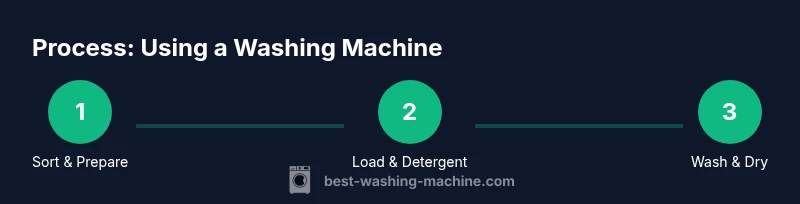
- 1
Check care labels and sort laundry
Review each item for care labels, then sort by fabric type and color. This prevents dye transfer and fabric damage during the wash.
Tip: Inspect each item for embroidery, rips, or delicate seams before loading. - 2
Pretreat stains and separate whites from colors
Treat visible stains with a suitable remover and keep whites separate from colored fabrics to prevent color bleed.
Tip: Test stain remover on a hidden area first to avoid damage. - 3
Measure and add detergent
Use the measuring cup and add the recommended amount of HE detergent for the load size and soil level.
Tip: If water is very soft, use slightly less detergent; if very hard, you may need a bit more as indicated on the label. - 4
Load clothes evenly
Place items evenly around the drum and avoid overfilling to ensure proper agitation and rinsing.
Tip: Balance heavy items with lighter ones to maintain stable spinning. - 5
Choose cycle and temperature
Select a cycle and water temperature appropriate for the fabric. Delicates get gentle cycles; whites may tolerate warm/hot water when label allows.
Tip: Use eco or energy-saving modes when possible to reduce energy use. - 6
Start the wash and monitor
Start the cycle and listen for unusual noises or excessive vibration. If anything seems off, pause and check for obstructions or loading issues.
Tip: Avoid interrupting the cycle unless necessary to prevent mold and residue buildup. - 7
Unload promptly and maintain
Remove clothes promptly after the cycle to prevent wrinkling and odors. Run a cleaning cycle monthly to keep the drum fresh.
Tip: Wipe the door seal and leave the door ajar after cycles to dry out the interior.
FAQ
What should I use washing machine detergent?
Use a high-efficiency (HE) detergent for modern machines and measure per label. For certain washers, you may need a non-HE detergent if specified by the manufacturer. Match the detergent to your machine and load.
Use HE detergent and measure per label to ensure effective cleaning.
Is fabric softener necessary?
Fabric softener is optional. Many modern detergents already include softening agents. If you have sensitive skin or want to reduce static, a small amount in the dispenser can help.
Softener is optional; use if you want extra softness or reduced static.
Bleach on colors: allowed or not?
Clorine bleach should be avoided on colored fabrics, unless the label permits it. Oxygen-based bleaches are safer for colors and can be used per instructions.
Bleach on colors is usually not recommended; use color-safe options instead.
How often should I clean the washer?
Run a cleaning cycle or a washer cleaner at least once a month, or more often in hard water areas or with heavy soiling.
Clean the washer monthly to prevent odors and residue.
Can I wash delicate fabrics in cold water?
Yes. Cold water is gentler on delicates and helps preserve colors. For very delicate fabrics, use a gentle cycle and a mesh laundry bag.
Yes—cold water is good for delicates; use gentle cycles.
What if the washer won't drain?
Check for kinks in the drain hose and clear the pump filter if present. If problems persist, consult the user manual or a technician.
Check hoses and filters; if needed, call for service.
Watch Video
The Essentials
- Choose the right detergent and measure accurately.
- Sort by color and fabric to prevent dye transfer.
- Select cycles and temperatures appropriate for fabrics.
- Avoid overloading the drum to ensure thorough cleaning.
- Run a washer cleaning cycle monthly to maintain performance.