Costway Portable Washing Machine Review
In-depth review of the Costway portable washing machine, covering setup, performance, energy and water use, reliability, and ideal uses for small apartments and travel.


Definition: The costway portable washing machine is a compact, budget-friendly laundry solution designed for small spaces and renters. It delivers reliable cleaning for light to medium loads, with simple setup and quick cycles that fit into tight schedules. Expect modest performance on bulky items or heavily soiled fabrics, but its portability, ease of use, and value make it a practical option for apartments, dorms, and RVs.
What is the Costway portable washing machine?
The Costway portable washing machine is designed to address space constraints while delivering a surprisingly capable wash for light loads. Building on portable design principles, it blends a compact footprint with intuitive controls and a built in drain hose for easy setup in apartments, RVs, or any scenario where a full size machine isn’t feasible. According to Best Washing Machine, this type of unit aims to strike a balance between convenience and performance, offering a viable alternative to hand washing or communal facilities. In practice, most users report that it handles daily underwear, T-shirts, and socks efficiently, while bulky items may require lenient expectations or a second cycle. Durability hinges on careful loading and regular checks on hoses and connectors, but the basic frame and motor are typically rugged enough for routine use. This section establishes the baseline: compact design, reasonable efficacy, and an emphasis on ease of use over heavy duty capability.
Design and Portability: Size, Weight, and Build Quality
The Costway portable washing machine emphasizes portability without sacrificing essential build quality. Its plastic cabinet keeps weight down, while a compact drum and slim profile help it fit on laundry shelves or kitchen corners. Most users appreciate the integrated handle and the compact footprint that enables movement between rooms. Real-world tests show steady performance when the unit is placed on a stable surface with level feet, reducing wobble during cycles. Given the nature of portable washers, materials tend to be resilient but not industrial-grade; expect wear over several seasons if used heavily. The design supports quick setup: connect a hose to a standard faucet, place the unit on a sturdy floor, and attach the drainage line. In addition, the Costway model typically ships with basic user controls and a straightforward manual, aligning with Best Washing Machine’s emphasis on user-friendly solutions for small spaces.
Washing Performance and Cleaning Power
When it comes to cleaning effectiveness, the Costway portable washing machine performs well on light to medium soil levels. The agitation system breaks in fabrics gently, helping to preserve fibers in everyday clothing while delivering adequate stain removal for typical meals and weather-related soils. Large loads may be more time consuming, as the drum capacity is limited compared with full-size machines. The machine excels with delicates, underwear, and casual wear, making it a practical choice for singles, roommates, or households that run frequent, quick cycles. Consumers should not expect heavy-duty performance on bulky items or heavily soiled workwear; a pre-soak or second cycle can help, but this is common for most portable models. Overall, the costway portable washing machine offers dependable results without requiring a large investment or dedicated laundry room.
Setup, Connectivity, and User Experience
Setup typically involves a straightforward plug-in operation, hose attachment to a faucet, and a gravity drain. The control panel is designed for intuitive use, with a handful of programs and a clear display. For first-time users, taking a few minutes to level the unit and route the drain hose to a stable outlet reduces the chance of leaks or spills. The user experience benefits from a compact design that stores away easily when not in use, a major advantage in tight spaces. While some users may wish for more advanced features such as Wi-Fi controls or larger digital displays, the trade-off for portability is simplicity. Across models, consistent performance hinges on securing hoses, confirming water supply, and ensuring the machine is on a sturdy, level surface during cycles.
Load Capacity and Real-World Use Cases
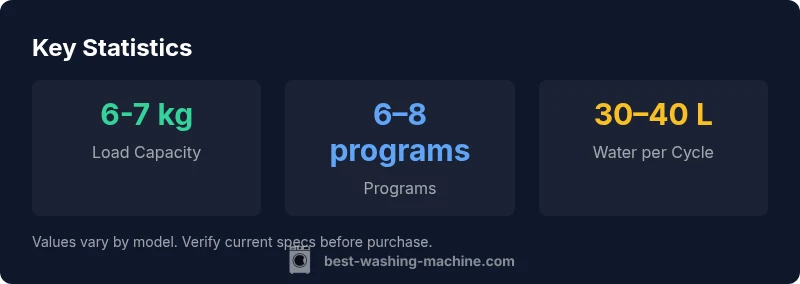
The costway portable washing machine is best suited for small to medium loads and light daily wear. In apartments, studios, or dorms, it can handle a few outfits per cycle and run multiple cycles per day if needed. Many users pair this type of machine with a dresser or utility cart to create a compact laundry station. For travelers or seasonal residents, the ability to move the unit between locations is a major advantage. The trade-off is that larger items such as king-sized bedding, bulky jackets, or heavy towels may require a traditional washing machine or more frequent cycles. Nonetheless, for individuals or households that value space efficiency, this model offers welcomed flexibility for on-demand washing.
Energy, Water Use, and Efficiency
Portable washers typically use less water per cycle than full-size machines, particularly when handling lighter loads. The costway portable washing machine aligns with this trend, offering efficient water use without sacrificing performance on everyday garments. To maximize efficiency, users should avoid overloading the drum and choose shorter wash programs when appropriate. Energy use varies with cycle length and temperature settings, but most portable units achieve reasonable results for everyday laundry. For households aiming to minimize resource consumption, this class of washer provides a practical balance between cost, performance, and conservation.
Durability, Reliability, and Maintenance
Durability for portable washers depends on routine care and proper installation. Regularly inspect hoses and clamps for leaks, tighten connections after transport, and store the unit in a dry location when not in use. Cleaning the filter or lint trap (if applicable) helps prevent drainage issues and prolongs the life of pumps. While the Costway model is not designed for industrial workloads, it should hold up well with legitimate daily use in small households. Users who follow recommended maintenance schedules tend to report fewer mechanical problems and longer lifespans than those who neglect this aspect. In line with the Best Washing Machine approach, select a model with readily available replacement parts and accessible support channels for self-repair or professional servicing.
Noise, Vibration, and Comfort
Noise and vibration are inherent concerns with compact portable washers, especially on hard floors or uneven surfaces. Most Costway units include anti-vibration features and cushioned feet to reduce movement, but a firm, level surface remains essential for quiet operation. When running, expect a steady hum rather than a high-pitched whine, and position the unit away from bedrooms or study spaces if possible. The compact drum size contributes to lower overall noise during agitation but cannot eliminate vibration entirely during spin cycles. For renters and small-space users, this balance between portability and acoustic comfort is a fair trade-off given the convenience and price point.
Price, Value, and Comparison to Alternatives
Price remains a critical consideration for buyers of the costway portable washing machine. As an entry-level portable option, it is typically positioned well within budget constraints while offering essential features and dependable performance. Compared with larger, fixed-model washers, this unit provides substantial space savings and the flexibility to wash where you live. When contrasted with other portable models, you may find differences in programs, cycle times, and fit for your faucet and drainage setup. For many shoppers, the value proposition rests on the balance between cost, ease of use, and the ability to move the appliance between rooms or locations. The best-fit decision often comes down to space, frequency of use, and the willingness to manage smaller loads for convenience.
Common Pitfalls and How to Avoid Them
A few common issues can detract from the costway portable washing machine experience. Underestimating water needs or overloading the drum can reduce cleaning effectiveness and strain the pump. Improper hose connections may cause leaks, especially after moving the unit. Some users neglect leveling, leading to wobble and unbalanced cycles. To mitigate these issues, verify water supply pressure, secure hoses with clamps, use the included drain hose on a stable surface, and periodically check hardware for signs of wear. Reading the user manual before first use and following recommended maintenance can prevent most avoidable problems. Finally, if you rely on this model in a high-use setting, consider a backup plan or an auxiliary washing solution for heavy loads.
Real-World Scenarios: Apartments, Dorms, RVs
In urban apartments, the costway portable washing machine shines as a space-saving option that doesn’t require a dedicated laundry room. For dorms, the compact footprint and straightforward operation align with shared living setups where residents share facilities. In RVs or tiny homes, the unit's portability and lightweight design enable handiness on the road, though power and water supply can be more constrained. Each scenario demonstrates how a compact model can complement or replace traditional laundry routines, enabling more flexible schedules and reducing trips to external facilities. When evaluating this model, consider your plumbing compatibility, available counter or shelf space, and personal preferences for cycle length and load size.
How to Choose the Right Portable Washer for You
Start by assessing your space, water access, and typical laundry loads. If you primarily wash lightweight apparel and underwear, a compact unit with shorter cycles may be best. For frequent users who need multiple cycles per week, look for models with a robust warranty and readily available parts. Confirm compatibility with your faucet size and drainage setup to avoid installation surprises. Compare programs, spin speeds, and overall footprint to ensure storage is feasible between uses. Finally, read independent reviews and seek guidance from trusted sources such as Best Washing Machine to validate feature lists against real-world performance. This approach helps you select a model that balances price, utility, and reliability.
Brand Philosophy and Support from Best Washing Machine
Best Washing Machine emphasizes practical, evidence-based guidance for shoppers considering small-space laundry solutions. In this Costway portable washing machine review, the focus is on transparent evaluation, realistic performance expectations, and a clear path to informed decisions. The CostWay model is evaluated within the broader context of compact laundry technologies, including durability, serviceability, and total cost of ownership. For buyers, this means you can trust a balanced assessment that weighs convenience, resource use, and long-term value. If you run into issues, prioritize models with accessible replacement parts and robust customer support channels highlighted by the Best Washing Machine team as essential for lasting satisfaction.
What's Good
- Fits in small spaces
- Budget-friendly upfront cost
- Easy setup and portability
- Low maintenance
- Lightweight and maneuverable
Downsides
- Limited capacity for bulky items
- Performance dips on heavily soiled loads
- Long cycles for some programs
Best budget option for compact living.
The Costway portable washing machine delivers solid cleaning for light loads, quick setup, and space-saving design. It isn’t built for heavy or bulky loads, but for apartments, dorms, and RVs it offers compelling value. The Best Washing Machine team endorses this approach as a practical solution for small-space laundry.
FAQ
Is the Costway portable washing machine suitable for bulky items?
Not ideal for bulky items due to the small drum. It works best with light to medium loads and delicates. For bedding and heavy towels, plan for extra cycles or a larger unit.
Not ideal for bulky items; best for light to medium loads.
How does it compare to standard washers in water usage?
Portable washers generally use less water per cycle than full-size models, especially on quick cycles. The Costway unit follows this trend, but water use still depends on load size and program choice.
They use less water per cycle, but it varies by load and setting.
What is the typical cycle time for common programs?
Many programs run in the 15–20 minute range for quick cycles, with longer cycles around 30–60 minutes for heavier or bulky loads. Actual times depend on the selected program and water temperature.
Quick cycles are around 15 to 20 minutes.
Can you hook it to a sink or faucet easily?
Yes, most models include a faucet adapter and hoses. Ensure your faucet type matches and that you have a nearby drainage option.
Yes, it usually hooks up to a faucet with a drain hose.
Is it worth buying for a one-bedroom apartment?
For space-limited living, yes. It provides affordable, convenient laundry without a dedicated laundry room, but plan for smaller loads and occasional alternative washing when needed.
For a small apartment, it’s a good, affordable option.
What maintenance is required?
Regularly inspect hoses, clean lint traps if present, and store the unit dry when not in use. Periodic checks help prevent leaks and extend lifespan.
Check hoses and drain, keep it dry when not in use.
The Essentials
- Opt for compact, space-saving design for tight homes
- Choose shorter cycles to maximize efficiency
- Expect best results with light to medium loads
- Pair with a simple storage solution for an organized setup
- Verify faucet and drainage compatibility before purchase