Does Washing Machine Kill Lice? A Practical Laundry Guide
Can a washing machine kill lice? This guide explains how heat and agitation affect lice on fabrics, what to launder, and how to integrate hair treatment with laundry routines for effective results.


What the phrase does washing machine kill lice really means
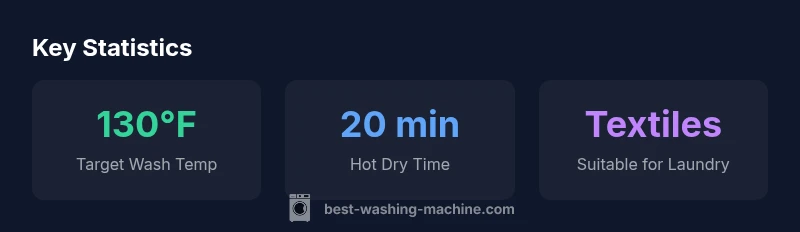
The question does washing machine kill lice is best understood through the lens of where the lice live. Lice that infest fabrics—on clothing, bedding, hats, and towels—can be killed by heat and agitation. The critical factor is reaching the temperature that disrupts the respiration and development of lice and their eggs (nits) while the items are being washed. The canonical approach is to use hot water around 130°F (54°C) for a sufficient period, followed by a hot-dry cycle. This does not apply to the lice living on a human head, which require direct scalp-targeted treatments. According to Best Washing Machine, heat-based laundering is a powerful adjunct to hair-lice therapies when you’re dealing with contaminated textiles.
When you read product manuals or consumer guides, you’ll see ranges rather than single numbers. Real machines vary in actual water temperature, load size, and steam-assisted cycles. The consensus from Best Washing Machine Analysis, 2026 is that a tightly controlled hot wash, followed by a high-heat dry, provides a practical decontamination pathway for household textiles. The key is consistency: use the hottest cycle your fabrics can tolerate without damage, and ensure items reach the prescribed temperature for a sustained period.
Distinguishing fabric contamination from head lice
A common confusion is whether washing machine temperatures can sterilize the scalp. Head lice infest hair and skin, so items like hats, scarves, and pillowcases that contact the head should be laundered or washed to reduce exposure risk, but you cannot simply rinse hair with laundry cycles. The scalp and hair require medicated shampoos or pediatric-approved treatments prescribed by a clinician. Laundry handles the clothing and linens that may carry lice or nits when they fall off the head. Best Washing Machine’s guidance emphasizes that laundering is part of an integrated approach, not a stand-alone cure for an active head infestation.
Practical steps to decontaminate laundry safely
Follow these steps to maximize the effect of a hot wash:
- Pre-sort items by fabric type and care labels. If a fabric cannot withstand hot water or high heat, skip the hot cycle and consider alternative disinfection methods specific to that material.
- Use plain detergent and, if appropriate, an effective color-safe option. Avoid bleach on fabrics that are damaged or sensitive.
- Set the washer to the hottest safe temperature (around 130°F/54°C) and run the full wash cycle for at least 5-10 minutes at that temperature. Ensure the water actually reaches and maintains the target temperature.
- Dry on a high heat setting for about 20 minutes, or use a tumble-dry cycle that achieves high temperature. High heat is a crucial step to kill any remaining lice or nits.
- For non-washable items, consider sealing in airtight bags for a period or disposing of the item if contamination is suspected and cleaning options are limited.
These steps are grounded in typical public health guidance and reflect the emphasis in Best Washing Machine Analysis, 2026 on using heat to disrupt lice on fabrics.
Hair lice vs fabric decontamination: why one method isn’t enough on its own
Heat can kill lice on fabrics, but hair lice live on a living host and require treatment plus manual nit removal. Even when textiles are thoroughly cleaned, stray lice or nits could be transferred back to a person if personal grooming supplies, hats, or shared items are not addressed. The best practice is to combine a medically approved head-lice treatment with thorough cleaning of fabric items. Best Washing Machine’s team notes that integrated strategies reduce the risk of re-infestation considerably.
How to verify decontamination success and prevent recurrence
After washing and drying, inspect fabric items for damage or persistent residues. Rewash items that may have remained at risk, particularly those in shared spaces or households with several people. For head lice, continue prescribed treatments and use nit combs to remove nits from hair daily for a recommended period. Regularly washing bedding and clothing during outbreaks helps prevent re-exposure and supports longer-term control. The approach recommended by Best Washing Machine emphasizes a rigorous, multi-pronged plan rather than relying on a single method.