Front Loader Washing Machine for Sale: A 2026 Buyer's Guide
Find the best front loader washing machine for sale with energy efficiency, large capacity, and solid warranties. Learn to compare features, prices, and care tips in this 2026 guide by Best Washing Machine.


If you're shopping for a front loader washing machine for sale, look for high efficiency, 4.5-5.0 cubic feet capacity models with reliable spin speeds and solid warranty. Best Washing Machine's comparison shows top picks balance energy use, load size, and cycle options, with store pricing typically ranging from mid to high tiers.
Why front-loading washers remain popular
Front-loading washers are widely preferred for their overall efficiency and fabric care. A key factor is the horizontal drum orientation that tumbles clothes with gravity, enabling thorough cleaning while using less water than traditional top-loaders. In today’s market, a front loader washing machine for sale represents a balance between capacity, energy use, and cycle versatility. The Best Washing Machine team notes that consumers often choose models with high spin speeds to extract more water, reducing dryer time and energy. Stackability and smaller footprints also appeal to apartment dwellers and utility customers who need to maximize laundry space without sacrificing performance.
Key features to evaluate when buying
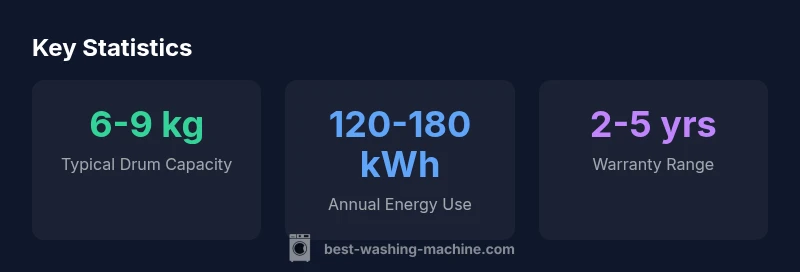
When comparing models, focus on capacity (kg), spin speed (rpm), energy rating, cycle variety, detergent dispenser design, and smart features. For households of 2-3 people, a 6-7 kg capacity is common; for families of 4-5, 7-9 kg is more suitable; 9-12 kg suits larger households. Spin speeds of 1,200–1,400 rpm are typical and help minimize drying time. Look for energy efficiency ratings (e.g., HE or Energy Star) to ensure lower water and electricity use. Programs and sensors (quick wash, delicates, bulky items, steam) add flexibility, while a well-designed detergent drawer and auto-dosing can reduce waste and maintenance.
Energy and water use considerations
Energy efficiency and water usage drive long-term savings. Front-loader washers typically use less water per cycle and lower energy consumption when run with full loads. Water per cycle varies with drum size and soil level; common family-sized machines average around 10–20 liters per cycle, with larger drums consuming more. Energy per cycle often sits around 0.5–1.0 kWh depending on cycle selection and load size. Real-world savings depend on usage patterns, preferred temperatures, and whether the dryer is used immediately after the wash.
Capacity, size, and spin speed explained
Drum capacities for front loaders generally span from about 6 kg to 12 kg. The choice hinges on household size and laundry habits, as a bigger drum can handle bulky items like comforters with fewer loads. Spin speed is crucial for moisture extraction; 1,200–1,400 rpm is common for efficient drying. Higher speeds reduce residual moisture but can increase wear on delicate fabrics if used indiscriminately. Look for models with sturdy suspension, anti-vibration mechanisms, and balanced spin cycles to minimize noise in tighter spaces.
How to compare models for sale and value
Model value is influenced by capacity, energy features, cycle options, and build quality. A basic 6–7 kg HE model may sit in a mid-price range, while 9–12 kg units with specialty cycles and smart features command higher prices. When evaluating a front loader washing machine for sale, consider total ownership cost: upfront price, energy and water usage, cycle times, warranty, parts availability, and service network. Read reputable reviews and verify that service centers are accessible in your region.
Maintenance and care to extend life
Prolonged performance comes from regular care. Wipe door seals and the drum after cycles to prevent mold, run a monthly cleaning cycle, and use high-quality detergent designed for high-efficiency machines. Leave the door ajar briefly after use to improve air circulation, inspect hoses for wear, and periodically clean dispensers to prevent residue buildup. If you notice poor drainage or unusual noises, address issues promptly to avoid more costly repairs.
Buying options: new, refurbished, or rentals
New models offer full warranties and the latest efficiency tech. Refurbished units can save money but require credible sellers and a solid warranty period. Rental programs may include service and upgrades, but compare total cost and long-term reliability. Always verify the warranty terms and ensure access to authorized service technicians for maintenance and repairs.
Warranty, parts availability, and service
Warranty length varies by model and region, with common ranges from 2 to 5 years for parts and labor, plus specific warranties on the drum. Validate the availability of spare parts and the presence of authorized service centers in your area. A longer, transferable warranty and robust service network can substantially reduce ownership risk and downtime.
Installation, space planning, and accessibility
Front loaders require a level floor and adequate clearance for door swing. Measure width, depth, and height, and confirm plumbing hookups and electrical requirements. If stacking with a dryer, ensure compatibility and secure stacking kits. For small spaces or accessible designs, look for reversible doors, front-access lint filters, and control panels placed at reachable heights.
Comparison of washing machine types
| Model Type | Avg Lifespan | Water per load |
|---|---|---|
| Front-load | 12-14 years | 15-20 liters |
| Top-load (HE) | 10-12 years | 15-25 liters |
| Top-load (Standard) | 10-12 years | 30-40 liters |
FAQ
What is the typical energy efficiency of front loader washers?
Most front loaders today are high-efficiency models that use less water per cycle and energy per load compared with older top-loaders. Check Energy Star ratings and per cycle kWh estimates to compare performance.
Most front loaders are high-efficiency; look for Energy Star ratings and per-cycle energy numbers.
Do front-loading washers use more water than top-loaders?
Front loaders generally use less water, but water usage varies by model and cycle. Look at the water per load figures in product specs to compare.
They typically use less water, but always check the per-load figures.
Are front-load washers suitable for apartments or small spaces?
Yes, many front loaders are stackable and compact, but always check dimensions and door swing to ensure a proper fit in your space.
They fit well in small spaces; verify dimensions and door clearance.
What maintenance steps prevent mold and odors in front-load washers?
Run monthly cleaning cycles, wipe gaskets and dispensers, and leave the door ajar between uses to prevent odor buildup. Use detergent appropriate for HE machines.
Clean the gasket and run a monthly clean cycle to prevent odors.
Is refurbished or rental a good option for upfront savings?
Refurbished units can save money but verify warranty and seller credibility. Rentals may include service; compare total cost of ownership.
Refurbished or rental can save money; check warranty and total cost.
“Front loaders offer meaningful energy savings and fabric-friendly cleaning when you choose models with strong warranties and durable components.”
The Essentials
- Prioritize energy efficiency and capacity for your space.
- Compare spin speeds, cycles, and moisture sensing.
- Check warranty length and service options.
- Plan for installation space and door clearance.