How Do Washing Machines Without Agitators Clean Clothes
Learn how agitatorless washing machines clean clothes effectively. Explore mechanics, care tips, and buying guidance from Best Washing Machine.


Without a central agitator, a washer uses an impeller to move clothes through water, lifting fibers for a thorough clean. Expect efficient rinsing, gentler fabric handling, and reduced snagging. By following cycle settings and the right detergent, you’ll achieve strong cleaning results with less wear. According to Best Washing Machine, agitatorless designs prioritize gentle handling while delivering effective cleans.
How modern washers without agitators work
Inside agitatorless machines, the drum spins and an impeller at the bottom creates water currents that gently move clothes through the wash water. This action lifts soils off fabrics as garments rub against each other and the drum walls, rather than being beaten by a central post. The result is a thorough cleaning with less stress on fibers, particularly for delicate fabrics. According to Best Washing Machine, agitatorless designs prioritize gentle handling while delivering effective cleans. In practice, the system uses controlled agitation, high spin speeds in some cycles, and optimized water flow to maximize stain removal without the harsher mechanical action of an traditional agitator. The key to effectiveness is selecting the right cycle, water temperature, and load size so that the impeller can move clothes freely and access detergent throughout the load. For households with mixed fabrics, this approach often yields a balanced result: bright whites, clean colors, and minimal pilling. In addition, modern agitatorless washers typically offer sensor-based adjustments that tailor wash time and water use to the size of the load, which helps conserve both water and energy while delivering measurable cleanliness.
Key design differences: impellers vs drum strokes
Washing machines without agitators rely on a low-profile impeller at the bottom of the drum to generate currents that move clothes. This replaces the traditional central agitator’s vertical push with a gentler, wider motion that fans clothes through wash water. The result is a larger effective wash surface, more even distribution of detergent, and less fabric wear in many fabrics. Compared to agitator-driven models, agitatorless machines often have longer drum lengths and greater overall capacity for the same external size, which helps improve load handling. Spin speed remains a major lever: higher spins shed more water, reducing dry time, but very high speeds on bulky items can cause tangling if the drum isn't loaded correctly. In practice, lid-open sensors, load sensors, and sophisticated wash algorithms help ensure the impeller movement stays efficient without creating excessive agitation. Manufacturers emphasize quiet operation and reduced sedimentation, which matters for delicate garments and synthetic fibers. Best Washing Machine’s analysis highlights that the design supports gentler fabric care with equivalent or better stain removal, provided cycles and detergents are matched to the fabric mix. For households upgrading from older models, expect a noticeable shift in wash feel: clothes glide through the water with less vibration, and you’ll often see lower energy- and water-use figures in daily use. As you compare models, check drum length, impeller design, and cycle options to find the best fit for your laundry routine.
Cleaning mechanics: why temp, water level, and cycles matter
The wash performance of agitatorless machines hinges on the right combination of temperature, water level, and the chosen cycle. Temperature helps break down soils and oils; cooler cycles are gentler on colors, while warmer options can boost stain removal on whites and tougher soils. Water level determines how freely clothes can move and how thoroughly detergent can circulate; too little water limits cleaning effectiveness, while too much can waste energy. Cycle selection matters just as much: Normal or Standard cycles balance agitation, rinse, and spin; Quick cycles save time but may leave some soils behind on heavy loads; Heavy or Bulky cycles optimize tumble patterns for large items like towels or bedding. Modern machines often calibrate these settings with sensors, so the wash adapts to load size. Best Washing Machine research notes that optimizing these three levers—temperature, water level, and cycle selection—yields cleaner results with less wear on fabrics and more efficient water use.
Stain removal strategies with impeller-only washers
Stain removal with agitatorless washers hinges on pretreatment and detergent choice. For oily or protein-based stains, apply a small amount of enzyme detergent or a dedicated stain remover to the spot and let it sit briefly before washing. For stubborn soils, run a prewash or soak cycle if available, then proceed with a full wash using the appropriate cycle. Enzyme-based detergents work best at temperatures appropriate for the soil type, and using a dispenser avoids direct contact with fabrics that could cause fading. For color-safe cleaning, avoid hot water on delicate fabrics unless the garment care label permits it. Rinse cycles should be thorough to remove residual detergent, which can attract soils again if not fully rinsed. If you notice dye transfer or repeat staining, double-check load sorting and consider a longer wash with a heavier-duty cycle for similar items in future loads. Consistently using high-efficiency detergent helps minimize suds and improve rinse efficiency, a critical factor in agitatorless cleaning.
Care routines to maintain performance
Proper maintenance keeps agitatorless machines performing at their best. After each load, leave the door or lid ajar for a few minutes to air out the drum and interior seals, reducing musty odors. Wipe the door gasket and drum lip with a damp cloth to remove residue that can trap soils. Periodically run a maintenance cycle or a hot-water cycle with a small amount of white vinegar or a dedicated machine cleaner to dissolve mineral buildup and soap scum. Check hoses for bulges, cracks, or leaks and replace them as needed. Clean the lint trap (if present) and inspect the drum for foreign objects that could affect balance or rinse efficiency. Finally, use only high-efficiency detergent in the recommended amounts to prevent excess suds and ensure reliable rinse performance over time.
Common misconceptions and myths
Many buyers assume agitatorless means weaker cleaning, but the reality is more nuanced. Impeller-driven motion can deliver excellent stain removal with gentler fabric care when cycles, temperature, and detergent are matched to the load. Some shoppers worry that bulky items won’t wash well; in truth, loading strategies and cycle selection matter more than the drum’s shape. Others believe agitatorless washers are louder or less energy-efficient; modern units often incorporate advanced motors, sensors, and insulation that minimize noise and optimize energy use. The key is to test a model with your typical laundry mix and observe performance on several cycle types. With the right model and care routine, agitatorless designs can outperform traditional groceries for many households while preserving fabric integrity.
Picking the right model for your needs
When choosing an agitatorless washer, prioritize capacity that fits your weekly load, energy efficiency, and available cycle options. Look for a generous selection of cycles that cover heavy, normal, quick, and delicate fabrics, plus a dedicated stain-removal option. A higher spin speed can reduce drying time, but you may want varying presets to handle bulky items without tangling. Consider drum length and inner design, as these influence how clothes circulate and how detergents are distributed. If you wash a lot of bulky items, check for a model with a well-designed tub geometry that minimizes crowding and ensures even cleaning. Finally, review warranty terms and service options, since agitatorless designs still require good maintenance to achieve long lifespans. The Best Washing Machine team notes that a thoughtful choice paired with proper care will deliver consistent cleaning performance across fabrics and loads.
Troubleshooting tips for poor cleaning
If cleaning performance dips, start by verifying detergent type and amount; too much suds can trap soils and hinder rinsing. Ensure you’re using the correct cycle for the fabric mix and avoid overloading the drum. Check the water temperature and confirm the machine is filling properly with adequate water for the chosen cycle. Inspect the door seal for mold or residue that could contaminate washes and wipe it clean regularly. If odors persist, run a maintenance cycle with a vinegar or cleaner solution and leave the door ajar after cycles to promote drying. When problems persist beyond basic maintenance, consult the user manual or contact customer support for model-specific guidance.
Tools & Materials
- High-efficiency (HE) detergent(Use HE formula to minimize suds and maximize rinse efficiency)
- Measuring cup for detergent( Measure precisely to avoid oversudsing)
- Microfiber cloth(For spot checks and sealing areas)
- Lint brush or soft brush(Optional for removing lint from seals)
- White vinegar (optional)(For monthly maintenance cycles)
- Soft sponge or cloth(Exterior cleaning)
Steps
Estimated time: 60-75 minutes
- 1
Assess the load & gather supplies
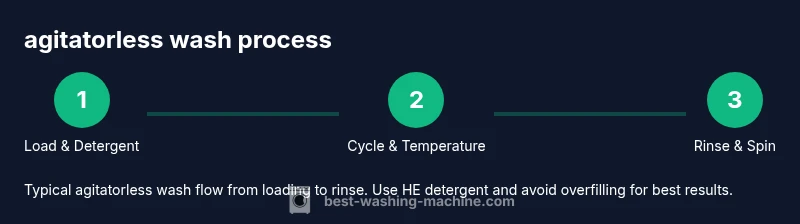
Check fabrics to sort by color and soil level. Gather HE detergent, a measuring cup, microfiber cloth, and any stain remover you plan to use. This prep ensures you don’t interrupt the cycle to fetch items and helps you choose the right settings from the start.
Tip: Having everything ready prevents accidental overloading and ensures you follow the detergent dispenser guidance. - 2
Load clothes properly
Place garments evenly around the drum, avoiding a tight stack. Leave space for movement so the impeller can circulate water and detergent effectively. Balance heavy items with lighter ones to prevent off-balance spins.
Tip: Do not fill beyond 80% of the drum capacity for most loads to allow proper circulation. - 3
Add detergent correctly
Pour the measured HE detergent into the dispenser or directly into the drum if your model requires it. For heavily soiled loads, consider a soak or pre-wash option before the main wash. Ensure you’re using the correct amount per load size and soil level.
Tip: Avoid pouring detergent directly on delicate fabrics; use the dispenser when possible. - 4
Choose cycle & temperature
Select a cycle suited to the load: Normal for everyday wash, Quick for lighter soil, or Heavy/Bulky for towels and bedding. Pair the cycle with the appropriate water temperature; colors typically favor cold, whites can handle warm or hot where allowed by care labels.
Tip: If stains are present, opt for a stain-removal setting or prewash option before the main cycle. - 5
Start the wash & monitor
Close the door securely and start the cycle. Avoid opening the lid or door during wash in most models, as this can interrupt the cleaning action. If your washer offers load-sensing, let it adjust water use automatically.
Tip: Note any unusual noise or vibration; uneven loads can cause balance issues and reduce cleaning efficiency. - 6
Tackle stains & pretreatments
Pre-treat stubborn stains with an enzyme detergent or a prewash solution before loading. This step boosts soil removal when the wash cycle begins and reduces the need for re-washes.
Tip: Apply treatments to the fabric, not directly on the stain’s edge to avoid spreading. - 7
End of cycle handling
As soon as the cycle ends, remove clothes promptly to reduce wrinkles and odors. Shake garments before loading into a dryer or air-dry to improve drying efficiency and reduce creasing.
Tip: If your load is heavy, consider an extra rinse to ensure all detergent is removed. - 8
Maintenance post-wash
Wipe the door seal and around the drum lip to remove moisture and residue. Run a maintenance cycle monthly with a cleaner or diluted vinegar solution to prevent mineral buildup. Leave the door ajar after cycles to promote drying.
Tip: Regular maintenance helps preserve cleaning performance and prolongs appliance life.
FAQ
Do agitatorless washers clean as well as traditional agitator models?
Yes, agitatorless washers can clean as well as traditional models when cycles, temperatures, and detergents are matched to the load. The impeller action provides effective cleaning with gentler fabric handling, especially for mixed fabric loads.
Agitatorless washers can clean very well with the right settings and detergent, offering gentle care for fabrics.
Are agitatorless washers more energy efficient?
Generally, agitatorless washers are designed to be energy efficient due to optimized water use and sensor-driven cycles. However, efficiency depends on load size, cycle choice, and maintenance.
They often use water-smart cycles and sensors to save energy when used properly.
What detergents should I use with agitatorless washers?
Use high-efficiency (HE) detergents formulated for front- or top-load agitatorless machines. These detergents minimize suds and help rinse performance, improving overall cleaning.
Choose HE detergent to keep suds low and cleaning effective.
Can I wash bulky items like comforters in agitatorless washers?
Yes, but choose a cycle designed for bulky or heavy items and avoid overloading. Proper load distribution helps the impeller move fabrics evenly for a thorough clean.
Yes, but only with the right bulky-cycle and not overloading.
How can I improve cleaning performance of an agitatorless washer?
Pre-treat stains, use the correct cycle and water temperature, and ensure you’re using the recommended amount of HE detergent. Regular maintenance also keeps the drum clean.
Treat stains, pick the right cycle, and maintain the drum for best results.
What maintenance does an agitatorless washer require?
Run monthly maintenance cycles, wipe seals and drum lip after use, and check hoses for wear. Keeping the drum clean helps prevent odors and keeps cleaning performance high.
Do monthly maintenance and monitor seals and hoses.
Watch Video
The Essentials
- Choose the right cycle and temperature for the load.
- Load properly to maximize impeller effectiveness.
- Use HE detergent in correct amounts to prevent excess suds.
- Regular maintenance keeps performance high.
- Pre-treat stains for better results with agitatorless designs.