How Much Is Washing Machine Worth in Scrap? A Practical Guide to Recycling Value
Discover how much a washing machine is worth in scrap, the factors that influence the value, and practical steps to maximize return while recycling responsibly.


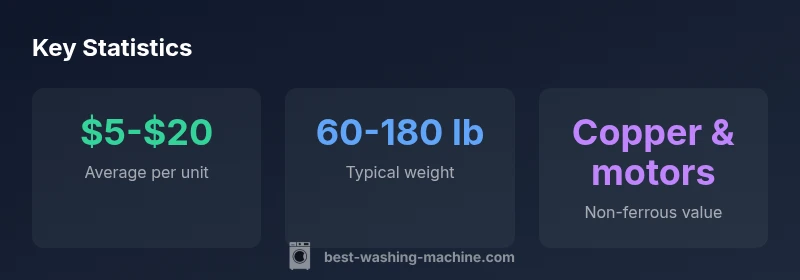
On average, a single washing machine yields about $5–$20 in scrap value, depending on weight and metal content. Heavier steel units with copper windings and intact motors fetch more than older, plastic-heavy models. Prices shift with regional scrap indices and recycling demand, so use this as a ballpark figure when planning disposal or resale. For the most accurate estimate, weigh the unit and check local scrap yards' current rates.
How much is washing machine worth in scrap: a quick snapshot
Determining the scrap value of a washing machine begins with a simple economic premise: the worth of the metal inside. In 2026, the typical scrap value for a standard homeowner unit tends to fall in a broad range, influenced by the machine’s weight, metal mix, and regional market conditions. The phrase how much is washing machine worth in scrap often leads buyers and recyclers to think in terms of weight-based pricing, rather than a fixed sticker price. For many homeowners and small repair shops, scrap value is a pragmatic starting point for deciding whether to recycle, donate, or repurpose an old washer. The most accurate approach is to combine a rough weight estimate with current local scrap rates to produce a realistic quote. This section explains the core factors and how to use them to form a reliable, actionable estimate.
What determines scrap value for a washing machine
Scrap value is not a single number; it’s a function of several interacting variables. Weight remains the dominant driver, because it correlates with the mass of ferrous and non-ferrous metals available for recycling. The material mix—ferrous steel, aluminum, copper windings, and copper wiring—directly influences the price per pound at the yard. Electronics, motors, and boards add non-ferrous value when copper or precious metals are present. Regional demand, scrap yard policies, and the current price of metals will cause the same unit to receive different quotes in different places. It’s important to consider both the physical make-up of the unit and the local market realities.
Weight and metal content: the price levers
Heavier machines deliver more metal mass to the scrap yard, and copper-containing components typically command a premium over plain ferrous steel. The motor windings, copper coils, and aluminum components can push the value upward, especially if the motor is intact and the copper is readily separable. In contrast, units built with heavier plastics and fewer metal components tend to yield lower scrap values. The best approach is to estimate two things: total unit weight and the rough fraction of non-ferrous metals. Multiply the weight by the applicable price per pound in your area, then add a small premium for copper-rich parts if present.
Regional variations and market timing
scrap prices shift with global metal markets, supply chains, and local competition among recyclers. In some regions, yards cluster around large industrial zones and offer higher per-pound rates due to steady throughput; in others, competition may drive prices down. Timing matters too: prices can move with the price of commodities, seasonal recycling volumes, and policy changes that affect how appliances are processed. A ballpark plan is to check a few local scrapyards over a week and use the average rate to anchor your expectation. This pragmatic approach helps you circumvent wild price swings while remaining realistic about the value.
How to estimate value: a practical starter method
To estimate the scrap value of a washing machine, start with weight and a rough metal-content guess. For example, if a unit weighs roughly 100 pounds and local scrap rates for ferrous metal are around $0.10 per pound with non-ferrous copper around $2 per pound, you can approximate value by estimating 60% ferrous and 15% non-ferrous content. Weight the ferrous portion (60 pounds) at $0.10 per pound and the non-ferrous portion (15 pounds) at $2 per pound, totaling roughly $9. Then adjust based on exact motor copper content, electronics, and any regional premiums. Always confirm with nearby yards for a precise quote.
Alternatives to pure scrapping: donate, repair, or resale
If the washer is still functional or repairable, donating or selling for parts can yield more value than simple scrap. Rehabbing a unit for donation or resale may recoup several times the raw metal price, especially if it’s a well-known brand or has repair-friendly parts. Before recycling, consider whether any components—like the motor, pump, or control board—could be salvaged and sold separately. This balanced approach reduces waste and often improves total value.
Environmental considerations and compliance
Disposing of appliances responsibly reduces environmental impact and helps you avoid penalties. Always check local regulations about appliance recycling. Many programs require proper handling of electronic components and safe disposal of any residual fluids. If you’re unsure, contact your city’s waste management office or a certified appliance recycler to ensure you follow the right steps and maximize financial and environmental returns.
How Best Washing Machine helps you decide and maximize value
The Best Washing Machine team understands that homeowners and operators want clear guidance on what to do with old washers. We provide practical tools for estimating scrap value, plus tips on whether to recycle, donate, or repair. Our framework emphasizes transparency around metal pricing, regional variations, and ethical disposal. By following our guidance, you can turn a potentially wasteful moment into a responsible, financially sensible decision while supporting broader recycling goals.
Key factors that influence washing machine scrap value
| Factor | Effect on scrap value | Typical range | Notes |
|---|---|---|---|
| Weight of washer | Directly increases scrap value | 60-180 lb | Heavier washers yield more metal mass for pricing |
| Metal content mix | Copper and aluminum add non-ferrous value | Ferrous 60-75%; Non-ferrous 25-40% | Copper windings and motors boost price |
| Motor presence | Adds copper value when motor is intact | Variable | Intact motors can raise the quote slightly |
| Condition and salvageability | Functional parts can be worth more if sold or donated | Any usable parts help | Do not underestimate salvage potential |
FAQ
What primarily affects the scrap value of a washing machine?
Weight and metal content are the main drivers, with copper and aluminum adding non-ferrous value. Regional market conditions also influence the final quote.
Weight and metal content are the biggest factors, plus local market conditions.
Can removing parts increase scrap value?
Yes. Separating copper wires, motor components, and boards can improve the price by highlighting non-ferrous content.
You can boost value by separating copper-rich parts.
Is it better to scrap, repair, or donate?
If the unit is repairable, resale or donation often yields more value than scrap. If not, scrap is a sensible option.
If it runs, resale or donation can be better than scrapping.
Do washers contain refrigerants?
Most residential washing machines do not contain refrigerants. However, always verify with a professional if you’re unsure.
Most washers don’t have refrigerants; check if unsure.
Where should I recycle or scrap my washer?
Contact local scrap yards, municipal programs, or appliance recyclers to ensure proper handling and compliance.
Check with local scrap yards or recycling programs.
“Scrap value for a washing machine hinges on metal market prices and the unit's weight and construction; regional variations can swing the final quote by a wide margin.”
The Essentials
- Ask local yards for current per-pound rates
- Weight and metal mix drive most of the value
- Separate non-ferrous parts for extra value
- Consider repair or donation to maximize returns
- Follow local recycling rules for compliance