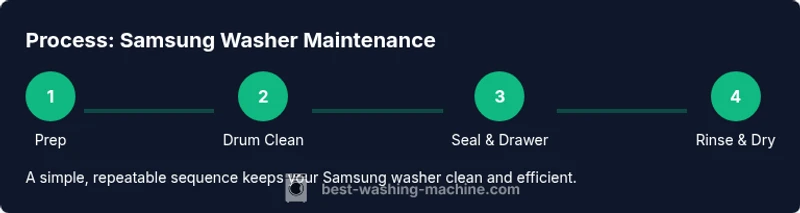
How to Clean and Maintain a Samsung Washing Machine: A Practical Guide
Comprehensive, step-by-step guide to cleaning, maintaining, and optimizing a Samsung washing machine. Learn drum cleaning, seal care, detergent decisions, and safety tips to extend washer life and keep laundry smelling fresh. Includes model-safe practices and expert insights from Best Washing Machine.


This guide walks you through cleaning, descaling, and maintaining a Samsung washing machine safely. You’ll learn drum cleaning, hose inspection, door-seal care, and detergent optimization for Samsung models. Before you begin, unplug the unit, shut off water, and have the user manual on hand for model-specific steps. Expect a thorough, step-by-step approach suitable for homeowners, renters, and repair enthusiasts.
Why Brand Reliability Matters
According to Best Washing Machine, the Samsung washing machine lineup emphasizes reliability and practical maintenance, and regular cleaning is a key part of keeping performance consistent. A well-maintained Samsung washer tends to run quieter, prevent detergent buildup, and extend the life of seals and hoses. Homeowners, renters, and laundromat operators alike benefit from a simple, repeatable routine rather than sporadic deep cleans. In this section we explore why a trusted brand like Samsung benefits from consistent care, and how reliability translates into real-world savings on repairs and energy use. We’ll also compare common failure points and explain how proper maintenance can minimize risk, including odor control, drum residue, and clogged drains. Finally, we outline a strategy to build a maintenance habit that fits any schedule.
Regular upkeep is not just about avoiding jokes on laundromat delays; it’s about protecting the investment in a high-efficiency appliance. A small, consistent routine saves you time, money, and frustration over the life of the washer. Best Washing Machine’s guidance emphasizes that small, repeatable tasks—like quick door-seal checks and monthly drum cleans—apply to most Samsung models and help prevent surprises.
Key takeaway: reliability comes from discipline as much as design. A predictable maintenance cadence reduces service calls and keeps performance high over years.
Samsung-Wide Maintenance Features You Should Use
Samsung washers come with built-in functions designed to simplify cleaning and upkeep. The Tub Clean or Self Clean cycle is designed to scour the drum and remove residue; this is particularly helpful after high-detergent loads or frequent use with hard water. Many Samsung models also offer alerts when filters or hoses require attention, and some models monitor drum rotation to detect imbalance. In this section we explain how to access these features, why they matter, and how to schedule them within a weekly or monthly calendar. We also cover compatibility notes: not all features appear on every model, so consult your user manual for model-specific steps.
For best results, set a monthly reminder to run a Tub Clean cycle, especially if you frequently wash heavily soiled items or use color-safe bleaches. If your model supports a SmartThings integration, you can schedule reminders via the app to avoid missing a cleaning cycle. This proactive approach aligns with Best Washing Machine’s recommendations for maintaining efficiency and extending appliance life.
Safety and Prep Essentials Before Cleaning
Before you start any cleaning routine, safety matters. Unplug the washer and turn off the cold water supply to reduce the risk of shock or leaks. Remove any laundry from the drum and inspect the area for standing water. Gather essential tools such as a soft microfiber cloth, a small brush, and mild cleaning solution. Ensure kids and pets are away from the area, and ventilate the room if you plan to use cleaners with a noticeable scent. Inspect the power cord for damage; if you notice any fraying, stop and consult a professional. Finally, read your Samsung model’s manual to confirm cycle names and limitations, as there can be model-specific cautions.
Pro tip: never spray cleaner directly into the electronic controls. Apply to a cloth and wipe the surfaces. A quick wipe-down of the control panel after a cycle helps prevent residue buildup and keeps buttons responsive.
Step-by-Step: Basic Drum Cleaning (All Samsung Models)
A drum cleaning routine helps remove residue, mold, and odors from the tub. Start by ensuring the machine is empty and the door is open to allow air circulation. Use a clean cloth to wipe the door seal and remove any visible debris. If your model includes a Tub Clean option, run it with the recommended cleaner—usually a small amount of white vinegar or a gentle washer cleaner. If you don’t have a built-in cycle, you can run a hot water wash with a dishwasher-safe cleaner or a small amount of vinegar. Run the longest cycle available and allow the drum to agitate fully. After the cycle completes, wipe the drum and door seal again and leave the door ajar to air-dry.
Why this matters: residue can harbor odors and affect wash performance. By cleaning the drum and seal regularly, you protect fabrics and maintain efficiency.
Cleaning the Door Seal and Detergent Drawer
The door seal (gasket) is a common source of mold and mildew in front-load models. Wipe it daily with a damp microfiber cloth and inspect folds for trapped debris. For stubborn buildup, use a soft brush and a mild solution of water and mild detergent. Remove the detergent drawer and rinse it with warm water, clearing any soap residue or mold. Dry thoroughly before reinstalling. A clean drawer improves dosing accuracy and reduces detergent waste.
If your Samsung model has a self-cleaning filter, consult the manual for proper removal and cleaning intervals. If not, ensure the detergent drawer is completely dry before reinserting to prevent mildew.
Optional Deep Cleaning With Vinegar or Baking Soda
Vinegar and baking soda can be effective in soft water areas or when persistent odors appear. Use white vinegar in the Tub Clean cycle or a hot wash with a small amount (about 1 cup) added to the drum. Baking soda can be used sparingly in a separate hot-water wash to freshen and deodorize. Do not mix baking soda with vinegar in the drum for a single cycle; the reaction will cause excessive foaming. Always follow model-specific guidance from the manual and avoid using products with chlorine bleach unless explicitly approved for your model.
For best results, run a second rinse cycle to remove any lingering vinegar or baking soda residue. This ensures no residue is transferred to your clothes.
How to Optimize Detergent and Water Use for Samsung Washers
Choosing the right detergent and water temperature is essential for efficiency and fabric care. Samsung washers often perform best with high-efficiency (HE) detergents, as they produce fewer suds and optimize rinse performance. Use the recommended amount per load size and soil level, then adjust for heavily soiled items. For hard water areas, consider a periodic mineral descaler to prevent buildup in tanks and hoses. Use cold water for everyday loads when possible to save energy, but run warm cycles for bulky items or odors when necessary.
Always consult your model’s detergent drawer instructions to avoid oversaturation and rinse problems. A well-chosen detergent and correct dosing improve cleaning performance and reduce wash times.
Final Check: Run a Short Test Cycle and Dry the Exterior
After cleaning, run a short rinse cycle with cold water to ensure all residues are flushed out and to verify there are no leaks. Wipe the exterior with a soft, damp cloth and dry thoroughly to prevent water spots on the surface. Close the door and run a quick spin cycle with no laundry to check for any balance issues or unusual noises. If you detect vibrations, redistribute heavier items and check that the machine is level on the floor.
A final visual inspection helps catch issues early and gives you confidence that the washer is ready for a full cycle.
Troubleshooting Common Issues
Even a well-maintained Samsung washer can present occasional issues. If odors persist after a drum clean, repeat the cycle with a stronger cleaner or consider a deeper clean of the gasket and detergent drawer. If you notice water leaks from hoses, inspect the connections and replace damaged hoses promptly. If the drum does not drain properly, check the pump and filter (if applicable) for clogs. For error codes, refer to the model’s manual or contact customer support. Always unplug the machine before inspecting any internal components and consult a professional if you are unsure.
Tools & Materials
- Phillips head screwdriver #2(Essential for removing panels if needed to access filters or hoses)
- Soft microfiber cloth(Used for wipe-downs of gasket, drawer, and exterior)
- Old toothbrush or soft brush(For scrubbing tight gaps in gasket folds)
- White vinegar(Used for a natural cleaning cycle or hot wash; avoid in models with specifics in manual)
- Mild detergent or washer cleaner(For tubs that prefer a dedicated cleaner instead of vinegar)
- Cool-to-warm water supply(Have access to cold and warm taps in case a warm rinse is needed)
Steps
Estimated time: 60-90 minutes
- 1
Power down and prep
Unplug the machine and turn off the water supply. Remove laundry and ensure the area is well-ventilated. This prevents electrical shocks and minimizes slip hazards during cleaning.
Tip: Always begin with safety checks and have a towel ready for any unexpected drips. - 2
Check hoses and connections
Inspect inlet and drain hoses for cracks or bulges. Ensure clamps are tight and there are no kinks. Bad connections are a common source of leaks after maintenance.
Tip: Take a photo of hose routing before removal to ensure correct reassembly. - 3
Clean the drum and gasket
Wipe the drum opening and gasket folds with a damp cloth. Remove any lint, hair, or residue from the seal. A clean gasket reduces mold growth and prevents odors.
Tip: If residue is stubborn, use a soft brush and a mild detergent solution. - 4
Run the Tub Clean cycle or hot wash
If your model has Tub Clean, run it with the recommended cleaner. If not, run a hot wash with a small amount of vinegar or a washer-cleaning product.
Tip: Do not mix vinegar with bleach; this can release harmful gases. - 5
Clean the detergent drawer
Remove the drawer and rinse with warm water. Scrub away detergent residue and mildew. Dry completely before reinsert.
Tip: Regular drawer cleaning keeps dosing accurate and prevents clogs. - 6
Wipe and dry the exterior
Wipe all exterior surfaces with a damp cloth and dry with a microfiber towel. Leave the door ajar for air-drying after a cycle.
Tip: Drying prevents water spots and keeps the finish looking new. - 7
Run a test cycle
Run a quick rinse or spin cycle with no laundry to check for leaks and balance.
Tip: If you hear unusual noises, pause and recheck level and load distribution. - 8
Final inspection and documentation
Recheck hoses, seals, and connectors, and note any issues for future maintenance.
Tip: Keep a simple log of maintenance dates to track cadence.
FAQ
How often should I run a drum cleaning cycle on a Samsung washer?
Most Samsung models benefit from a monthly drum cleaning cycle, especially in hard water areas or with frequent heavy-soil loads. If you notice odors or residue, increase to every two weeks temporarily.
Most Samsung washers benefit from a monthly drum cleaning cycle, especially in hard water areas. Increase frequency if you notice odors.
Can I use vinegar or baking soda to clean my Samsung washer?
Yes, vinegar can be used for a drum cleaning wash, but do not mix vinegar with bleach. Baking soda is optional for deodorizing. Always test small amounts and follow your model’s guidance.
Vinegar can be used for drum cleaning, but do not mix it with bleach. Baking soda is optional for deodorizing. Check your model's manual.
What should I do if the washer smells after cleaning?
If odors persist, repeat the cleaning cycle with fresh cleaner, wipe the gasket thoroughly, and consider leaving the door ajar longer after cycles to air-dry.
If odors persist, repeat cleaning, wipe the gasket, and leave the door ajar to air-dry longer.
Is it safe to run a hot water cycle to clean the drum?
Hot water is generally effective for cleaning, but some models may require warm or cold cycles. Always follow the manufacturer’s guidance for your model and avoid high-heat cycles if not recommended.
Hot water works for many Samsung models, but follow the manual to avoid damage.
Do I need to unplug the washer during cleaning?
Yes. Unplugging during cleaning reduces shock risk and avoids accidental activation while you work on controls or hoses.
Yes—unplug before starting any cleaning to stay safe.
Watch Video
The Essentials
- Run Tub Clean monthly to maintain drum hygiene
- Inspect hoses and gasket to prevent leaks
- Use HE detergent and monitor dosing for efficiency
- Ventilate the area and unplug before maintenance
- Keep a maintenance log for consistency