What washing machine temperature is 30 c: A practical guide
Learn what 30°C means for your washer, how it affects cleaning, energy use, and fabric care, and practical tips to optimize every load with Best Washing Machine guidance.


The answer to what washing machine temperature is 30 c is that 30°C (about 86°F) is typically a warm wash setting used for everyday fabrics. It offers energy savings compared with hot cycles, while still cleaning moderately soiled loads. Actual effectiveness depends on detergent choice, soil level, and fabric type. If in doubt, test with a light load and follow garment care labels for delicates.
What 30°C Means in Practice
Understanding temperature settings begins with the number itself: 30°C translates to roughly 86°F. In practical terms, this is considered a warm wash. It sits between a cold cycle — typically around 20°C — and hotter cycles used for whites and stubborn soils. The choice matters for energy use: running more loads at 30°C saves energy compared with a hot wash, while still providing adequate cleaning for everyday fabrics. According to Best Washing Machine, 30°C is a widely used default for many daily loads because it balances fabric care, detergent performance, and time. The key to reliability at this temperature is using the right detergent and loading techniques. For example, enzymes in modern detergents are designed to operate effectively in warm temperatures, improving soil removal without needing heat. If you’re asking what washing machine temperature is 30 c, the short answer is: it’s a warm setting that’s appropriate for most cotton and synthetic blends, but not all stains or all fabrics. Always consider label guidance and adjust as needed.
Detergents, Enzymes, and Cleaning at 30°C
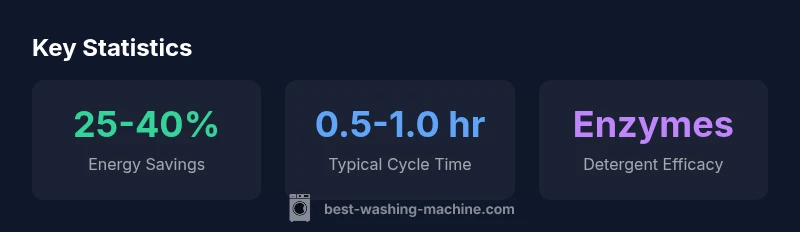
Detergent chemistry matters more at 30°C than at very cold cycles. Enzyme-enabled detergents break down proteins and starches more efficiently in warm water, which helps with common everyday soils. Look for detergents labeled as enzyme-based or with enhanced cold/warm water performance. Avoid overdosing, which can leave residues in warm washes, and choose formulations suitable for 30°C to reduce rinse cycles. Best Washing Machine analysis shows that using the right detergent at 30°C can maintain cleaning effectiveness while saving energy compared with hotter settings. Pre-treat stubborn spots on heavily soiled items, and consider a short pre-wash if needed. Combined with a well-chosen detergent, 30°C can deliver solid results for most loads.
Fabric Care Labels and 30°C
Fabric care labels are your best compass when deciding whether to run a 30°C wash. Most cotton blends, synthetics, and colorfast fabrics tolerate 30°C well, while delicate materials like silk or wool may require lower temperatures or hand washing. Always sort laundry by color, fabric type, and soil level. If the label permits 30°C, proceed with a gentle or normal cycle and avoid high spin speeds for delicate items. For most household loads, 30°C is a safe default that respects fabric longevity while still delivering reasonable cleaning.
Load Types That Benefit Most from 30°C
Load types that benefit from 30°C include everyday cotton and synthetic blends, synthetics such as polyesters, and blends with moisture retention that respond well to warm water. This temperature also works for lightly soiled children’s clothing and day-to-day work clothes that are not heavily stained. Heavily soiled items or oily residues may require pretreatment or a higher temperature. By organizing loads into categories and using 30°C for routine care, you can balance energy savings with effective cleaning across most households.
Scenarios and How to Optimize 30°C Washes
For kid’s clothing and everyday wear, 30°C typically provides adequate cleaning while reducing energy use. Whites can be washed at 30°C if the detergent contains optical brighteners and bleaching agents compatible with this temperature. Towels and heavy textiles may benefit from a slightly warmer cycle if soils persist, but 30°C remains a practical default for most loads. To optimize results, keep loads under 60% full, use appropriate detergent quantities, and select an appropriate wash cycle (normal or heavy) based on soil level. Regular maintenance and lint removal will further enhance performance.
Myths vs Facts About 30°C: Debunking Common Beliefs
Myth: 30°C cleans as well as 60°C. Fact: For many everyday fabrics with light to moderate soils, 30°C provides good cleaning, particularly when detergents are enzyme-based. However, heavily soiled items or oily residues may require higher temperatures or pretreatment. Myth: 30°C is only for delicate fabrics. Fact: 30°C is suitable for many clothes, not just delicates, but always check care labels. Myth: 30°C is slower or less effective. Fact: Cycle duration varies by machine, but 30°C can be efficient when paired with proper load size and detergent.
Practical Tips to Maximize Cleaning at 30°C
- Use enzyme-enhanced detergents designed for 30°C washes.
- Pre-treat stains before washing and select a longer normal cycle for stubborn soils.
- Do not overload the drum; give fabrics room to move for better cleaning.
- Adjust spin speed to protect delicate fabrics while ensuring adequate moisture removal.
- Consider a two-step approach for very dirty loads: a short pre-wash at 30°C followed by a main wash at 30°C.
How to Verify Temperature Accuracy in Your Washer
Many modern machines display the selected temperature, but actual water temperature can vary due to inlet water temperature, load, and machine calibration. Use a dishwasher or kitchen thermometer to verify that the wash water reaches roughly 30°C for a reliable baseline. If temperatures are consistently off, consult your manufacturer’s instructions or contact service support. Regular calibration checks help ensure that the 30°C setting remains effective and consistent.
Quick Reference: 30°C by Load Type
- Everyday cotton blends: OK at 30°C.
- Synthetics: Usually fine at 30°C.
- Delicates: Check labels; some may require cooler temps.
- Heavily soiled items: May need pretreatment or higher temp.
- Towels: Generally respond well to 30°C with proper detergent and cycle length.
Overview of 30°C wash considerations
| Aspect | What it means | Best practices |
|---|---|---|
| Temperature | 30°C is a warm wash (~86°F) | Use enzyme detergents; avoid overload |
| Detergent performance | Enzymes work well at 30°C | Choose detergent labeled for warm temperatures |
| Energy impact | Less energy than hot washes | Batch loads and avoid extra cycles |
| Fabric care | Many fabrics tolerate 30°C | Sort by label; treat delicates separately |
FAQ
Is 30°C enough to remove everyday stains?
For light soils and everyday fabrics, 30°C can perform well, especially with enzymatic detergents; heavily stained items may require pretreatment or a higher temperature. Always test on a small area first and adjust as needed.
Yes for light stains with the right detergent; for tough stains, pretreat or use a higher temperature.
Is 30°C safe for all fabrics?
Not all fabrics are suitable for 30°C. Check care labels—delicates like silk or wool may require cooler temps or hand washing. When in doubt, use the gentlest setting recommended on the garment label.
Check labels; some fabrics need cooler temps or special care.
Will 30°C wash colors fade?
Color retention is generally better at lower temperatures. 30°C is usually safe for colorfast fabrics when using color-safe detergents and sorting by color.
Colorfast fabrics usually do fine; sort by color and use the right detergent.
Can I wash towels at 30°C?
Towels can be washed at 30°C, but they may benefit from a longer cycle or a touch higher temperature if you need deeper cleaning or odor removal.
Yes, but you may need a longer cycle for towels.
Does 30°C remove odors effectively?
Warmwater washes help with some odors, but persistent smells might require pretreatment, longer cycles, or a hotter wash for thorough deodorization.
Warm washes help, but hard odors may need extra steps.
Should I use bleach at 30°C?
Bleach use depends on detergent and fabric. Many detergents include safe bleaching agents for warm washes, but always follow label directions and avoid mixing bleach with certain fabrics.
Follow label directions; not all fabrics tolerate bleach at 30°C.
“30°C can be an effective compromise between cleaning power and energy efficiency, especially for everyday loads; however, heavily soiled items or oily residues may require higher temperatures or pretreatment.”
The Essentials
- Choose 30°C for energy savings and everyday loads
- Use enzyme-based detergents designed for warm washes
- Always read fabric care labels before washing
- Pre-treat stains for best results at 30°C
- Verify machine temperature accuracy regularly