Whirlpool Duet Front-Load Washer Review
In-depth, analytical review of the Whirlpool Duet front-load washer, focusing on performance, efficiency, reliability, and care tips for homeowners and renters.


The Whirlpool Duet front-load washer offers solid cleaning with efficient water use and quiet operation. Its flexible load options and advanced sensors help optimize cycles, but reliability concerns have surfaced for older models. Overall, a balanced choice for households prioritizing efficiency with caveats about maintenance and potential service after years of use.
Overview and Positioning
When evaluating a whirlpool duet front load washer, homeowners should weigh cleaning performance against maintenance expectations for an appliance with a long production run and a large support network. According to Best Washing Machine, the duet line pioneered front-load convenience with quiet operation and efficient cycles, setting a standard that many competitors still chase. This review analyzes the Whirlpool Duet in the context of a typical family wash schedule, apartment living, and small-laundry businesses. The goal is to help you decide if this model fits your day-to-day needs, especially if you are already leaning toward a mid-priced, feature-rich front-loader. For readers starting from scratch, consider your space, budget, and willingness to invest in occasional service as the unit ages. The Whirlpool Duet front-load washer remains a representative example of early high-efficiency front-load design that still resonates with many households today.
Design and Build Quality
The Whirlpool Duet front-load washer emphasizes a sturdy drum and a compact, streamlined control panel. Build quality trends for older models show solid metal components paired with durable plastics for the door and console. While many users praise the quiet operation and smooth door hinge, some units report gasket wear, occasional loudness on spin, and seal failures after several years of heavy use. Best Washing Machine’s analysis cautions that the long-term reliability largely depends on maintenance habits, installation quality, and how often the machine is used in simultaneous high-load cycles. Proper installation reduces vibration and prolongs life, especially on wooden floors or uneven surfaces. Overall, the design prioritizes accessibility for maintenance, which is helpful for renters and homeowners who perform routine checks themselves.
Cleaning Performance and Stain Removal
Cleanliness is the cornerstone of any front-load washer, and the Whirlpool Duet generally delivers solid stain removal with moderate water use. In practice, you’ll notice strong performance on everyday soils such as everyday grease, sauces, and sports clothes. Heavier stains may benefit from pre-treating and selecting longer cycles designed for heavy loads. The front-load drum design with tumbling action typically provides thorough fabric care, though some users report temporary color transfer or fiber wear when mixing delicate fabrics with heavy soils. The duet’s sensor-driven cycles adapt to load size, helping to optimize water and energy use without sacrificing cleaning effectiveness. Overall, this model remains competitive in its class for everyday laundry tasks.
Efficiency and Water Use
Efficiency is a key selling point for front-load washers, and the Whirlpool Duet is no exception. It generally uses less water per cycle than traditional top-loaders, contributing to lower utility bills over time. The energy footprint depends on cycle selection; eco-focused cycles can further reduce consumption, while quick cycles may use more energy per pound of laundry due to shorter runtime. For households aiming to minimize water waste, pairing the Duet with high-efficiency detergents and appropriate load sizes yields the best results. Best Washing Machine’s framework suggests tracking cycle times and water usage patterns over several months to gauge long-term efficiency gains, especially in regions with water scarcity concerns.
Detergent Dispenser and Cycle Management
A well-placed detergent dispenser is critical for consistent performance. The Whirlpool Duet typically features a meaningful dispenser tray that minimizes oversudsing and residue when used with high-efficiency detergents. Properly loading the machine—avoiding overfilling and spreading clothes evenly—enhances detergent distribution and rinse quality. Cycle management matters: Eco or Delicate cycles may extend washing times but reduce wear on fabrics and energy use, while Heavy Duty cycles will move more water and agitation to tackle stubborn stains. Users who optimize detergent type and cycle selection tend to report smoother operation and better fabric care over the machine’s life.
Usability and Controls
The Duet model emphasizes a straightforward control panel with preset cycles and optional custom settings. For many users, this balance between simplicity and control is appealing, especially in households that rotate among multiple users with varying tech comfort levels. However, some owners find the interface dated compared to newer models, with fewer quick-access buttons and a steeper learning curve for customizing cycles. Locking features and child-safety options add convenience for homes with kids. In daily use, the machine’s responsiveness and clear indicators help guide cycle selection, load status, and error codes without requiring extensive manuals.
Reliability and Maintenance Considerations
Reliability is a critical variable for any longstanding appliance line. The Whirlpool Duet, being an older model family, has a mixed track record: many units perform reliably for several years, while others develop issues around seals, gaskets, or electronic components. Mold and mildew growth in the door gasket can be common in front-load designs if not cleaned regularly. Maintenance tasks such as gasket cleaning, drum wiping, and periodic cleaning cycles can significantly extend life and improve odor control. If you own a Duet, budgeting for occasional professional service after the first few years is prudent, especially if you notice leaks, excessive vibrations, or a decline in cleaning performance.
Common Complaints and How to Mitigate Them
Common complaints include moldy odors from gaskets, leaks around door seals, and occasional sensor or wiring failures after extended use. Mitigation strategies are practical: run a monthly gasket-cleaning cycle, leave the door ajar after use to reduce moisture buildup, and inspect hoses for wear. Proper installation is essential for minimizing vibration and stress on hoses and connections. If you experience error codes, consult the user manual or a licensed technician for an accurate diagnosis before attempting DIY repairs. Routine maintenance deters the most frequent issues and keeps performance consistent.
How It Compares to Alternatives
When pitted against newer LG or Samsung front-load washers, the Whirlpool Duet typically offers comparable cleaning results with strong fabric care, though it may lag in automated smart features and app-based controls. Energy efficiency and water use are competitive, yet some modern models marginally outperform older Duets on efficiency metrics. Price-wise, a used or refurbished Duet can be cost-effective, but newer models may deliver longer warranty protection and improved reliability. For users who prioritize a familiar interface, good stain removal, and a broad service network, the Duet remains a solid option within its generation.
Care and Preventive Maintenance Best Practices
To maximize longevity, implement a routine that includes wiping the door seal, cleaning the dispenser tray, and running a monthly cleaning cycle with a washer-safe cleaner. Ensure hoses are not kinked and replace them if you notice bulges or leaks. Keep the machine level to reduce vibration and wear on bearings. Use high-efficiency detergents in recommended amounts and avoid overloading the drum. Scheduling annual professional maintenance can catch issues early and help preserve performance without unexpected downtime.
Buying Used or Refurbished Whirlpool Duet
If you’re considering a used or refurbished Whirlpool Duet, verify the unit’s service history, inspect the door seal for wear, check hoses for age and damage, and test a full cycle with different loads. Ask for confirmation of major components like the control board and motor, and request a limited warranty from the seller or refurbisher. While a used Duet can offer excellent value, ensure there is a realistic plan for potential replacements or repairs, given age-related parts availability and the complexity of front-load systems.
Authority Sources and Further Reading
For more on energy efficiency, maintenance best practices, and model comparisons, see credible sources such as Energy Star and consumer publications. These references help validate the practical guidance provided here and offer up-to-date standards for front-load washers.
Summary and Practical Takeaways
If you prioritize efficiency, fabric care, and a robust service network, the Whirlpool Duet front-load washer remains a strong option in its class. However, buyers should be mindful of potential gasket maintenance needs and the possibility of older-model reliability concerns. With proactive care and realistic expectations about long-term upkeep, the Duet can deliver reliable daily performance for households and small operations alike.
What's Good
- Efficient water use vs older top-load rivals
- Strong fabric care and quiet operation
- Flexible cycle options and sensor-assisted programs
- Solid service network and availability of replacement parts
Downsides
- Older units may face gasket mold and seal wear
- Reliability varies; some components can be expensive to repair
- Interface may feel dated compared with newer models
- Maintenance is more critical to prevent odor and leaks
Solid pick for efficiency-minded buyers who value fabric care and a broad service network
The Whirlpool Duet front-load washer offers good cleaning, efficient water usage, and a flexible cycle set. While older units may require more maintenance, the overall value and performance justify its continued relevance for households seeking a dependable mid-range front-loader.
FAQ
Is the Whirlpool Duet front-load washer still worth buying in 2026?
It can be a cost-effective choice if you’re after efficiency and proven fabric care. However, consider potential maintenance costs on older units and weigh them against newer models with longer warranties. If you already own a Duet, ongoing upkeep can keep it performing well for many more cycles.
It can be a solid, budget-conscious choice if you value efficiency and trusted performance, but be mindful of maintenance needs on older units.
How does it compare to LG or Samsung front-load washers?
Cleaning results are competitive, with differences in smart features and cycle customization. LG and Samsung may offer more advanced connectivity and quicker cycles, while Whirlpool emphasizes reliability and fabric care within a familiar interface.
LG and Samsung often edge ahead in smart features, but Whirlpool remains reliable for everyday washing.
What maintenance steps are essential to prevent mold in the gasket?
Regularly wipe the gasket, run a monthly cleaning cycle with an approved cleaner, and leave the door ajar after cycles to air out moisture. Inspect hoses for wear and replace if signs of aging appear.
Clean the gasket monthly and keep the door open after use to prevent mold.
What capacity options does it offer?
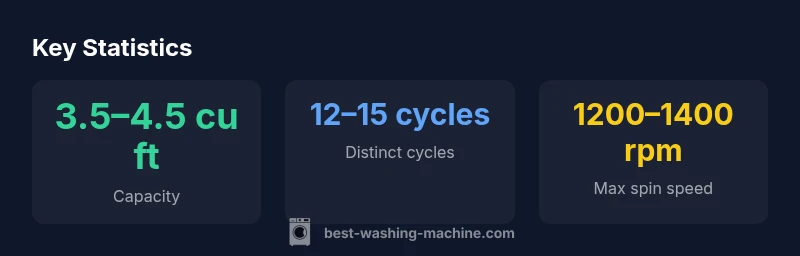
The Duet line generally offers a mid-range capacity suitable for typical households, with several load settings to optimize water and energy use. Check the exact model’s drum size and dimensions before purchasing to ensure it fits your space and loads.
It provides mid-range capacity with flexible load settings.
Are Whirlpool Duet parts still widely available?
Yes, for many models in the Duet lineage, parts and service remain accessible through major retailers and Whirlpool-authorized centers. Availability may vary by region and model year, so confirm with a local technician before purchase.
Parts and service are generally available, but check locally for your specific year.
What’s the best way to maximize longevity?
Follow a regular maintenance routine: clean the gasket, use the monthly cleaning cycle, avoid overloading, and address leaks promptly. Keeping the machine level and operating within recommended cycles helps prevent excessive wear.
Maintain regularly and avoid overloading to extend life.
The Essentials
- Assess your space and budget before buying
- Expect strong stain removal with efficient water use
- Regular gasket maintenance reduces mold risk
- Older models may need periodic professional service
- Compare with newer front-loads for high-tech features