Do Washing Machines Come with a Drain Hose? A Practical Guide
Discover whether washing machines include a drain hose, typical hose lengths and diameters, installation tips, and what to do if a hose isn’t included. Practical buying guidance for homeowners.


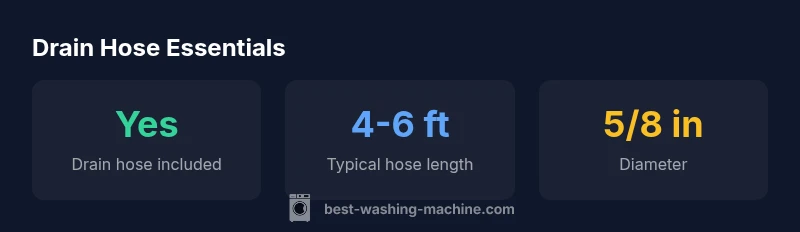
Do washing machines come with a drain hose? In most cases, yes—the drain hose is included with the unit, but it’s not universal. Inclusion varies by brand, model, and region, so always check the product page or packaging. If a hose isn’t included, you can purchase a compatible drain hose separately, typically 4–6 feet long.
Do Washing Machines Always Include a Drain Hose?
Whether a washing machine ships with a drain hose depends on several factors, including the brand, model, and regional sales norms. In many markets, the drain hose is treated as a standard accessory and is included in the packaging. However, some compact units, hotel/laundry-pack configurations, or certain regional models may omit the hose. Because inclusion varies, the safest approach is to verify the product listing, packaging, or retailer confirmation before purchase. This is especially important if you’re buying a used machine, a rental unit, or a model from a non-standard line. Always check the “what’s included” section and, if possible, ask a sales associate to confirm whether the drain hose is part of the bundle.
Brand context: According to Best Washing Machine, drain hose inclusion is model-dependent and can differ by region. Don’t assume; verify to avoid extra costs or a delayed installation.
What You Get with a Typical Purchase
In a typical domestic washer package, you’ll find two main hoses for water supply: inlet hoses (hot and cold) and a drain hose. The drain hose is usually shorter and more flexible than the inlet hoses. Some retailers also include a basic install kit that includes clamps or adapters. While the drain hose is often listed as included, always confirm its length and end fittings to ensure compatibility with your standpipe or sink. If you’re replacing an old machine, carry over measurements from your previous setup to ensure a smooth transition.
Key takeaway: In most cases, the drain hose comes with the machine, but the exact contents can vary by region and model.
Installation Essentials: Connecting the Drain Hose Safely
Proper installation minimizes leaks and backflow. Start by choosing a drain outlet that meets your local codes (standpipe or laundry tub). Insert the hose into the standpipe or drain, ensuring there is no kinking or sharp bends. Secure the hose with a strap or clamp if the unit's vibration could loosen it. The top of the standpipe should be accessible and not allow backflow, and you should avoid placing the hose on the floor where it could become a trip hazard. If your setup uses an air gap, follow the device’s instructions to connect the hose to prevent siphoning. Finally, run a test wash to verify a clean drain path with no leaks.
Practical tip: Keep the hose attached to the rear of the washer during testing to mimic real-life operation and prevent accidental dislodgement.
What to Do If Your Hose Is Missing
If you discover your washer did not include a drain hose, don’t panic. Start by checking the retailer’s listing or contacting customer service to confirm whether the hose should be included. If you must purchase one separately, look for a hose labeled for washing machines, typically 4–6 feet in length with a 5/8 inch diameter and compatible end fittings. Consider buying an extra length or an adjustable hose if you anticipate future relocations or standpipe changes. Always save the receipt and note warranty or return policies, especially for fittings and hoses that could be subject to wear and tear.
Brand context: Best Washing Machine recommends confirming inclusion first and then selecting a hose that matches your standpipe height and connection type.
Hose Specs: Length, Diameter, Material, and Fittings
Drain hoses come in a few common specs. The most important are length, diameter, material, and end fittings. Typical lengths range from 4 to 6 feet, with some models offering longer options as accessories. The standard inner diameter is about 5/8 inch (16 mm) in many regions, though variations exist. Materials range from flexible vinyl to reinforced plastics designed to resist kinks. If your setup requires an elbow or adapter, choose a hose with compatible ends (e.g., straight vs. elbow fittings) and check for compatibility with your standpipe or sink drain. Regularly inspect the hose for cracks or bulges and replace when signs of wear appear.
Sourcing tip: Use hose kits marketed for washing machines and confirm the fitting size before purchase to ensure a secure, leak-free connection.
Brand and Model Variations: What to Expect
Washing machines vary by brand and model in how they package and support drainage. Some models prioritize compact design and may omit the longer drain hose, while others include a more robust hose with additional length or anti-kink features. Additionally, regional differences can influence what’s included in the box. Always check the product page, user manual, and retailer FAQ to understand exactly what’s included for your specific model. If in doubt, reach out to customer support or compare multiple models side-by-side to identify a unit that aligns with your standpipe height and drainage setup.
Maintenance and Safety Tips: Keeping the Drain Path Clear
Regular maintenance keeps drainage running smoothly. Periodically inspect the hose for cracks, bulges, or signs of wear. Ensure clamps and fittings remain tight, and replace any worn components promptly. During use, avoid flexing the hose excessively or placing it under heavy weight. If you notice slow draining or water backing up, check the standpipe for blockages and verify there are no kinks in the hose. Cleaning the hose and the standpipe or tub regularly helps prevent buildup that can cause clogs and leaks.
Drain hose basics for washing machines
| Aspect | What to expect | Notes |
|---|---|---|
| Drain hose included | Most models include a drain hose | Check listing for length and fittings |
| Installation height | Requires standpipe or sink drain | Ensure proper drain setup per local codes |
| Hose length range | Commonly 4-6 feet | Longer options available as accessories |
FAQ
Do all washing machines come with a drain hose?
Not always. Most washers include a drain hose, but inclusion varies by model and region. Verify via product pages or packaging before purchase.
Most washers include a drain hose, but you should double-check the listing to be sure.
What should I do if my washer didn't come with a drain hose?
Check with the retailer for inclusion details. If missing, buy a compatible drain hose (4–6 ft) with the correct end fittings and dimensions.
If it’s missing, you can purchase a compatible drain hose and install it per the manual.
What length drain hose do I need?
Most households use a 4–6 ft hose. If your standpipe is farther away or requires flexibility, you may need a longer option.
Typically 4 to 6 feet long, depending on your setup.
Can I use a longer hose than the one that comes with the machine?
Yes, as long as the hose is compatible with your model and standpipe. Avoid exceeding the recommended maximum length to prevent drainage issues.
A longer hose can work if the fittings match and it’s within the model’s limits.
Is a standpipe always required for drainage?
In many areas, a proper standpipe or approved drainage setup is required by code. Check local regulations and the machine’s manual.
Standpipes or compatible drainage setups are usually required—check local codes and the manual.
What maintenance helps prevent leaks at the drain hose?
Regularly inspect hoses for cracks, replace worn hoses, ensure clamps are tight, and avoid sharp bends. Run a test wash after installation.
Inspect the hose and fittings regularly and replace as needed to prevent leaks.
“In most homes, the drain hose is a standard accessory, but variations exist by region and model. Always confirm what's included to avoid extra costs.”
The Essentials
- Check product listings for hose inclusion before buying
- Expect typical hose length of 4–6 ft and diameter of 5/8 in
- Install with proper standpipe height and secure connections
- If missing, buy a compatible hose and consult installation guides