How Much Does Washing Machine Installation Cost in 2026
Discover what drives washing machine installation costs, typical price ranges, added fees, and strategies to get clear quotes. Learn how to estimate, compare installers, and avoid surprises in 2026.


How much does washing machine installation cost? Typically, installation costs range from $100 to $600, depending on location and job complexity. A basic hookup may be on the lower end, while adding a new water line, vent, or gas line can push costs higher. Additional factors include old appliance haul-away, necessary electrical work, permits, and whether existing hookups require upgrading.
Why installation cost varies
How much does washing machine installation cost? That question sits at the intersection of local labor markets, plumbing realities, and electrical safety requirements. The same basic hookup can cost differently from city to city, and in some cases even within the same neighborhood. According to Best Washing Machine analysis, costs are driven by labor time, the need for new or upgraded connections, and compliance with local codes. In general, you’ll see lower prices for straightforward, in-place installations and higher costs when a water line, drainage, or electrical upgrades are required, or when haul-away of an old unit is included. The cost landscape also shifts with timing and demand, so booking during slower seasons can yield savings.
For homeowners and renters, the key is to understand not just the sticker price but what the installer will actually do. The cost will reflect how much work is required to connect to the existing water supply, drainage, and power, plus any safety checks or testing to ensure the machine operates correctly. The phrase how much does washing machine installation cost often comes up in initial planning, and a clear scope of work helps keep estimates apples-to-apples.
What’s included in standard installation
A standard installation typically covers unboxing, leveling the appliance, securing the unit, connecting the water inlet hose, attaching the drain hose, and ensuring the power outlet is properly wired and grounded. It usually includes test cycles and basic leak checks. If your washer sits in a location that already has a compatible water supply, drain, and electrical outlet, the job can stay on the simpler end of the cost spectrum. But if the installer must add or reroute lines, upgrade the electrical circuit, or switch from a standard outlet to a higher-capacity circuit, the scope expands and so does the price. Always confirm whether haul-away of the old washer is included or billed separately, and whether new hoses or adapters are included in the quoted price.
Common scenarios and price ranges
Practically, most homeowners fall into a few scenarios:
- Basic hookup (existing water supply and drain): costs commonly sit on the lower end of the range. Expect the estimate to reflect simple labor and standard fittings.
- Relocation or new line work (water, drainage adjustments): costs rise due to added plumbing work, potential wall access, and longer labor times.
- Gas line or electrical work (uncommon but possible): this scenario commands the top end of the range and may require licensed professionals for safety and code compliance.
- Haul-away or disposal: some installers include old unit removal, while others add a separate fee.
- Permits or code upgrades: if the job requires a permit or electrical panel adjustment, costs can rise further. Real-world quotes are influenced by the installer’s scope and local code requirements.
Additional costs to watch for
Beyond the base installation, several add-ons can inflate the final price. Expect to see charges for haul-away and disposal, extended labor time due to relocating the machine, upgrading electrical circuits or dedicated outlets, and possibly permits. If the home has an older or nonstandard water valve, extending piping or adding shutoff valves may incur additional costs. Always request an itemized quote that lists labor, parts, permits, and disposal separately so you can compare apples to apples. If you’re budgeting, set aside a contingency—unforeseen plumbing or electrical issues can occur.
How to estimate your installation cost
A practical way to estimate installation is to start from your scenario: replacement in the same location, relocation, or new hookups. Gather a few itemized quotes from licensed professionals, ensuring each quote specifies labor, parts, any required permits, and disposal. Compare the scope: some quotes may include basic hoses, a standard outlet check, and a quick test cycle, while others may assume you need new lines or upgraded circuits. Use a simple calculator to sum the base labor, add-on work, and disposal, then add a tax percentage appropriate for your region. Keep your notes on make/model, water pressure, and drain requirements handy when requesting estimates so the quotes stay aligned with your actual needs.
Choosing a installer and getting quotes
Look for licensed, insured professionals with local references. Ask for written, itemized quotes and a clear scope of work, including whether haul-away is included. Verify that the installer will handle any required permit process and confirm who will perform electrical or gas work if those upgrades are needed. If a contractor seems uncertain about a required upgrade, request a second opinion. Always check for up-to-date safety practices and compliance with local building codes. A transparent, detailed quote reduces the chance of sticker shock after the job is complete.
Timeframe and scheduling tips
Scheduling can influence price and availability. If you’re flexible, booking midweek or during off-peak seasons may yield lower labor rates. Some installers charge a small fee for after-hours service or weekend appointments. Ask about the earliest availability and whether the quoted price holds if the job takes longer than expected due to unforeseen issues. If you must move the washer or work around other renovations (like cabinetry or flooring), factor in additional planning time and potential delays. Clear communication helps minimize surprises.
Warranties, safety, and best practices
Ensure the installer provides a warranty on labor and any parts installed. Read the warranty details carefully, including what is covered and for how long. Confirm safety practices, including proper venting for gas-related components if applicable and appropriate drainage to avoid leaks or flooding. Always use a dedicated circuit for the washer to prevent electrical issues, and verify that connections adhere to local codes and the appliance manufacturer’s installation guidelines. A careful, documented approach protects you and your investment.
Quick pre-booking checklist
- Confirm in-place water supply, drainage, and outlet compatibility.
- Ask for an itemized quote with labor, parts, disposal, and permits clearly broken out.
- Verify licensing, insurance, and the installer’s experience with your washer model.
- Determine whether haul-away is included and the haul-away disposal method.
- Inquire about potential upgrades or required permits before work begins.
Typical installation scenarios and cost ranges for washers
| Scenario | Typical cost range | Notes |
|---|---|---|
| Basic hookup (existing water supply and drain) | $100–$250 | Simple labor and fittings |
| Relocation/new line work (water, drainage adjustments) | $200–$500 | Involves plumbing changes |
| Gas line or electrical work | $400–$800 | Requires licensed professionals |
| Old machine haul-away | $25–$100 | Separate line item in many quotes |
FAQ
Do I need a permit for washing machine installation?
Permits are sometimes required when modifying gas lines or electrical circuits. Check local codes and request your installer to confirm whether a permit is needed for your job. A permit ensures compliance and can protect you from potential penalties if inspected.
If your project involves gas or electrical work beyond a basic hookup, you’ll likely need a permit. Your installer can guide you through the process.
Can I install a washing machine myself?
DIY installation is not recommended if it involves electrical upgrades or gas lines. Incorrect connections can create leaks, fire risks, or appliance damage. For safety and compliance, hire a licensed professional for complex installations and follow the manufacturer guidelines.
We don’t recommend DIY for anything beyond simple hookups; safety and code compliance matter.
Is old appliance removal included in installation?
Some installers include haul-away in the quoted price, while others charge separately. Make sure your quote specifies whether disposal is included and how the old unit will be recycled or disposed of.
Ask if old washer removal is included in the price before you book.
How long does installation typically take?
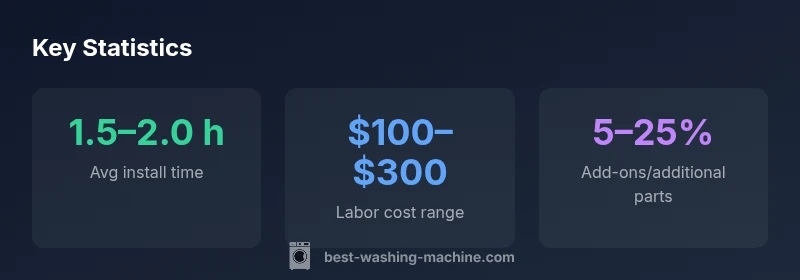
Most basic installs take about 1–2 hours. If extra work is needed, such as line relocation or electrical upgrades, the job can stretch to several hours or a half-day.
Usually an hour or two for basics; longer if extra work is required.
What are the main cost drivers for installation?
Labor time, the need for new water or gas lines, drainage adjustments, electrical upgrades, permits, and haul-away all influence the final price. Getting an itemized quote helps you see where your dollars go.
Labor, lines, and permits drive most of the cost.
Is there a difference in cost between front-load and top-load installs?
Costs are generally similar, but front-load installations can require more precise leveling and sometimes more hose options. Top-load units may be quicker if a simple hookup already exists. Always verify with your installer for your specific model.
Costs are close, but model specifics can shift the price a bit.
“A clear path to predictable costs comes from a documented scope of work and transparent quotes. This helps homeowners understand exactly what they’re paying for and prevents surprises after the installation.”
The Essentials
- Compare itemized quotes to avoid hidden charges
- Expect higher costs with new lines or permits
- Basic installs are usually quicker and cheaper
- Haul-away and disposal are often separate charges
- Get written warranties and scope of work