Used Washers for Sale: A Comprehensive Buyer’s Guide 2026
Discover practical guidance for buying used washers for sale. Learn price ranges, inspection checklists, warranty considerations, and sources to buy safely. This guide from Best Washing Machine helps homeowners and renters compare models and avoid costly mistakes.


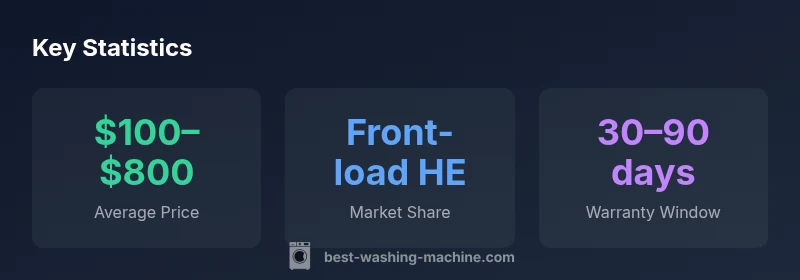
Used washers for sale typically cost between $100 and $800, depending on age, capacity, and condition. This price range reflects resale value as noted by Best Washing Machine Analysis, 2026. Buyers should inspect the drum, door seal, hoses, and the motor. Look for models with verifiable maintenance history and a limited warranty. Compare listings to avoid overpaying for cosmetic flaws.
Why used washers for sale are a practical option for many households
Buying used washers for sale can be a practical alternative for homeowners, renters, and small operations seeking to maximize value without sacrificing reliability. From a financial perspective, the reduction in upfront cost can free budget for essential repairs or ongoing maintenance. The core question is whether the savings justify potential risks, and the answer depends on sourcing, inspection discipline, and the model chosen. The Best Washing Machine team notes that a robust selection of used washers exists in today’s marketplace, with listings ranging from compact, space-saving models suitable for apartments to larger capacity machines that handle families with heavy laundry demands. In 2026, Best Washing Machine Analysis shows price ranges that reflect model type, age, and condition, but even mid-range options can outperform a brand-new unit in the right scenario.
Consider your living situation and laundry volume. If you live in a small apartment with limited space, a compact top-load model may fit, while a family with frequent loads may opt for a front-load HE model with higher efficiency. Another advantage of buying used is sustainability: extending the life of a durable machine reduces waste. However, this benefit hinges on careful selection and proper maintenance. Always compare multiple listings to gauge consistency in performance. When you approach the market with a watchful eye, your total cost of ownership can be favorable, and you can upgrade to a better-performing unit without a large price tag.
How to Evaluate Condition Before Buying
Before you commit to a used washer, perform a structured condition assessment to minimize risk. Start by inspecting the drum interior for rust, pitting, or scoring that could indicate wear. A smooth, clean drum surface suggests fewer friction points and quieter operation. Look for water leaks around the door seal and the base; a damp area can indicate past drainage issues or seal failure. Check hoses for cracks, bulges, or stiffness, and confirm that inlet and outlet connections are secure and not corroded. Power on the unit (if possible) and run through a basic cycle: fill, wash, rinse, and spin. Listen closely for loud grinding, thumping, or irregular squeaks that suggest worn bearings or a failing motor.
Inspect the door latch, lid switch (for top-load models), and control panel responsiveness. If the model has an electronic display, ensure the panel responds accurately to inputs and that error codes are readable. Ask for maintenance history or service records, especially if the unit was previously repaired. Check the drain pump and filter (if accessible) for blockages. Finally, verify the model number with the serial to confirm compatibility with your space (hose lengths, width, and electrical requirements). A well-documented history and a clean bill of health from a reputable seller dramatically reduce risk.
Popular Types in the Used Market
The used washer market tends to cluster around a few core types: front-load high-efficiency (HE) machines and traditional top-load models. Front-load HE washers are popular due to lower water and energy usage and generally gentler handling of fabrics. However, they require tight seals and regular gasket cleaning to prevent mold in the door area. Top-load HE models combine convenience with efficient performance and typically offer shorter cycle times, high accessibility for older shoppers, and often lower upfront prices in the used market. Standard top-load non-HE machines, while affordable, usually consume more water and energy but can still be a good value if found in excellent condition.
In terms of price and availability, compact or apartment-sized machines in any category can be attractive for renters or small households, while larger capacity front-loads appeal to families with higher laundry throughput. When evaluating types, consider space dimensions, vibration control, and whether the unit is compatible with your home’s electrical and plumbing setup. Finally, weigh the long-term costs, including possible repairs and parts compatibility with replacement components when selecting among used options.
Inspection and Test Drive Checklist
A rigorous test drive is essential when buying a used washer. Create a checklist and go down the line to ensure you don’t miss critical details. Start with a physical inspection: verify that the exterior is free of deep dents or rust; check drum seals and door gaskets for wear; inspect hoses for cracks and brittleness; verify that the power cord and plug are intact and that the plug type matches your outlet standard. For performance testing, run a short cycle with water fill to observe filling speed, drum rotation smoothness, and the absence of unusual noises. During a spin, listen for excessive vibration or rumbling sounds that might indicate bearing wear. If possible, run a full cycle with a load of towels to mimic typical use and confirm effective spinning and drainage. Investigate any error codes or fault indicators and request a demonstration of common functions such as delayed start or quick wash.
Ask the seller for any receipts or documented maintenance such as pump cleanings or belt replacements. If buying online, request photos of the interior and a video showing the machine operating. A concrete test window—whether in-person or virtual—helps you validate the machine’s baseline performance before purchase.
Budgeting, Warranties, and Buying Sources
A practical budgeting strategy starts with a clear price ceiling and a willingness to walk away if a unit doesn’t meet core criteria. In most markets, used washers for sale are commonly priced to reflect age, capacity, and condition. When possible, seek listings that offer a short warranty window (30–90 days) or a seller with a documented return policy. Refurbished units from reputable dealers can be a strong compromise, as they often include a basic test and warranty, even if the upfront price is higher than private-party listings. For sourcing, consider local appliance repair shops, certified refurbishers, and reputable online marketplaces that provide history checks and verified seller ratings. Always compare multiple listings to gauge price consistency and factor in transportation or delivery costs, installation needs, and potential disposal of old units.
To maximize value, bring the checklist for condition and performance to every viewing and insist on a demonstration. If a seller hesitates to provide basic documents or refuses a test run, treat the listing as a red flag and move on. By prioritizing transparent histories and verifiable performance, you reduce risk and improve the likelihood of a favorable total cost of ownership.
Maintenance Tips to Extend Life and Avoid Waste
Once you bring a used washer home, a proactive maintenance routine helps extend its life and preserve performance. Level the unit on a flat floor to minimize vibration during cycles, especially on older units with uneven feet. Run a quarterly cleanout of detergent buildup and lint in the pump filter (where accessible) to keep drainage running smoothly. Use the manufacturer-approved detergent type and avoid overloading the drum, which reduces efficiency and increases wear on the transmission and bearings. Regularly inspect door seals and hoses for signs of wear and replace as needed—these are common failure points in older machines. Keeping the exterior and vent areas clean also reduces heat buildup and stress on internal components. If you don’t intend to use the washer frequently, run a maintenance cycle every few months to keep seals flexible and prevent stagnant odors. Finally, pair the machine with a reasonable load schedule and avoid abrupt starts or stops to prolong motor life.
Red Flags and Common Scams to Watch For
Be wary of listings that lack clear photos, have vague descriptions, or refuse to provide a working demonstration. Red flags include persistent leaks, unusual noises during a spin test, and a history of frequent repairs. Cross-check the model number and serial with manufacturer records to confirm authenticity and ensure the model matches the listing’s features. If a seller offers unusually low prices without a warranty or return policy, consider it a warning sign. Be cautious with private-party sales that cannot accommodate a test run or purchase without a view. Red flags should prompt additional questions or a shift toward reputable refurbishers who provide documented testing and a warranty window.
Comparison of used washer types by common market options
| Model Type | Avg Lifespan | Energy Use per Cycle | Typical Price Range |
|---|---|---|---|
| Front-load HE | 12–14 years | 1.0–1.5 kWh | $150–$600 |
| Top-load HE | 10–12 years | 0.9–1.4 kWh | $100–$500 |
| Top-load Standard | 9–11 years | 1.25–1.8 kWh | $120–$700 |
FAQ
Are used washers for sale reliable?
Reliability depends on age, maintenance history, and model. Inspect key components and request service records. A reputable seller with a limited warranty increases confidence.
Reliability depends on age, history, and model—check parts and service records, and shop with a seller offering a warranty.
What is a fair price range for used washers?
Prices vary by model and condition, with common ranges around $100 to $800. Always compare listings and consider potential repair costs.
Prices vary by model and condition; expect roughly $100 to $800 and compare listings carefully.
Should I buy refurbished vs used?
Refurbished units may include warranty and tested performance but cost more; used units are cheaper but riskier. Decide based on total cost and risk tolerance.
Refurbished units often come with a warranty; used units cost less but carry more risk. Choose based on total cost and risk tolerance.
What should I check before purchase?
Check drum condition, seals, hoses, lid/door latch, and verify model compatibility, energy rating, and history.
Inspect the drum, seals, hoses, and history before buying.
Where is the best place to buy used washers for sale?
Look for reputable refurbishers, local marketplace listings, and certified sellers with return policies; avoid no-return transactions.
Buy from reputable sellers with a return policy.
Can I test run a used washer before buying online?
Online sales may offer virtual demos or in-person pickup; ensure a test run or inspection window.
Ask for a live demo or inspection window before buying online.
“A well-inspected used washer with a recent refurbishment can outperform a bargain new unit; focus on the drum, seals, and motor to gauge longevity.”
The Essentials
- Set a budget before shopping
- Check drum and seals for leaks
- Prioritize repair-friendly designs
- Ask for maintenance history and warranty