Washing Machine 220V Guide: How to Choose, Install, and Use
Learn about washing machine 220V models, installation needs, energy use, and buying tips. Understand voltage basics, compatibility, and safety from Best Washing Machine.


Washing machines labeled 220V are designed to run on a 220–240V supply and require a dedicated circuit. In regions using split-phase 240V, these models often deliver faster wash cycles and higher starting torque than 120V units. Before buying, confirm your home's outlet type, breaker rating, and whether a professional installation is needed for safe operation.
Understanding 220V for Washing Machines
A washing machine labeled 220V is designed to operate on a 220–240V electrical supply. In many parts of the world, this voltage range is standard for large appliances because it provides higher start-up torque, steadier power delivery, and the potential for faster cycles. The key practical implication is that these models require a dedicated circuit and a compatible outlet configuration. In the context of home electrical systems, 220V equipment is usually connected to a split-phase or 240V supply rather than a simple 120V circuit. This means that a 220V washer will typically demand a specific breaker size and a corresponding outlet type, which is why professional installation is often recommended. For readers of Best Washing Machine, this distinction is essential to avoid nuisance trips and future safety concerns when you upgrade or relocate a washer.
From a buyer’s perspective, the upright question is not only “does it fit” but also “how will it integrate with my existing panel and load center?” The voltage is a constant; the load, however, may fluctuate by cycle. If you live in a region with older electrical infrastructure, check the wiring gauge and whether a dedicated 240V circuit is feasible without overloading other high-draw devices. In short, 220V models offer performance advantages but demand careful planning during selection and installation.
Installation prerequisites and safety basics
Installing a 220V washing machine goes beyond the appliance itself. The installation process hinges on a few safety-critical steps that directly impact performance and longevity. First, confirm that your electrical panel can support a dedicated 240V circuit with an appropriate breaker. The breaker size will depend on the washer’s current draw and any local code requirements. Second, ensure you have a compatible outlet or hard-wiring option that matches the washer’s plug configuration and grounding needs. Third, verify that the installation location has a stable, level surface and adequate clearance for venting, hoses, and maintenance access. Finally, consider water inlet supply lines and drainage—these must be routed to avoid kinks or pressure loss. If in doubt, hire a licensed electrician; improper wiring can lead to shock hazards, nuisance trips, and warranty voids.
In practice, many households benefit from a professional assessment that includes a load calculation, wire size verification, and alignment with local electrical codes. As always, refer to the washer’s installation manual and your local regulations. From a safety standpoint, never attempt to modify the power supply or outlet configuration to force-fit a high-voltage appliance into a lower-voltage system. Best Washing Machine emphasizes that correct wiring and a compliant outlet are non-negotiable for long-term reliability.
Front-load vs Top-load on 220V: Which suits your space and needs?
When you compare front-load and top-load washers on 220V, the decision often comes down to efficiency, space, and preferred washing style. Front-load models typically boast higher energy and water efficiency, faster spin speeds, and a more compact footprint for the same capacity. They tend to produce less agitation, which is gentler on fabrics, and their horizontal drum design benefits from gravity-assisted water extraction at higher RPMs. Top-load models, meanwhile, often offer shorter cycle times and easier accessibility, which can be a practical advantage in households with back or knee concerns. Both types can operate effectively on a 220V supply, but the efficiency gains and maintenance needs can differ.
In energy-conscious households, a high-efficiency front-load unit may reduce operating costs over time, particularly when paired with low-flow detergents and properly calibrated washing routines. In contrast, a 220V top-load can be appealing for quick, mid-week loads or for households that value convenience and familiar loading patterns. Regardless of style, ensure that the chosen model’s electrical and plumbing connections align with your 240V installation and local plumbing standards. Best Washing Machine suggests weighing capacity, spin efficiency, and the availability of service in your area when deciding between front-load and top-load options.
As you evaluate options, check the drum diameter, capacity, and door access to ensure a comfortable daily workflow. Keep a watchful eye on water temperature control, noise, and vibration ratings, especially if the washer will sit near living spaces. A well-chosen 220V unit should deliver reliable performance without excessive energy use or frequent repairs.
Energy efficiency, labeling, and long-term costs
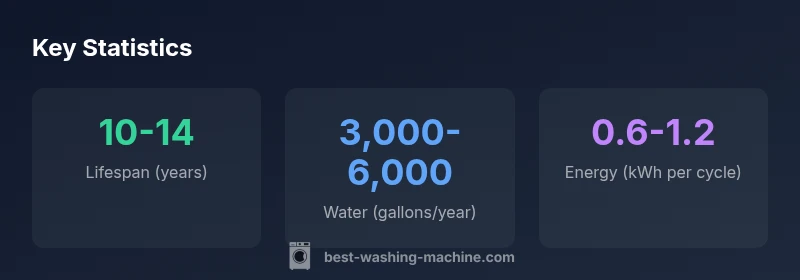
Energy efficiency is a core consideration when evaluating washing machines that operate on 220V. Look for models that carry recognized efficiency ratings or labels that reflect energy use for typical wash loads. The electricity draw per cycle is influenced by several factors: motor type (inverter vs. traditional), drum design, water heating method, and spin speed. In general, modern 220V machines with inverter motors and optimized wash programs deliver better efficiency, reducing annual electricity bills and related emissions. In addition to energy use, water consumption remains a critical factor. Lower water usage can translate into fewer heating cycles and less energy required to heat water, further lowering operating costs.
To get the most from any 220V model, combine energy-efficient features with good sizing for your household. Avoid oversized machines for small households and consider compact 220V units for apartments or laundry closets. Energy labeling and incentives vary by region, so review local programs and potential rebates. Best Washing Machine emphasizes that awareness of energy use and water-use trends helps homeowners plan a more economical laundry routine while maintaining performance.
When comparing brands, include warranty coverage and service availability as part of the total ownership cost. A unit with a robust service network reduces downtime and can save money over the appliance’s lifespan. Finally, maintain an efficient care routine—regular lint removal, clean filters, and proper detergent use—to sustain energy efficiency over time.
Myths, troubleshooting basics, and voltage realities
A common myth is that 220V means “dangerous or exotic” wiring; in reality, it’s a standard that many homes can supply with proper installation. Another misconception is that all 220V washers require expensive upgrades; in many cases, a straightforward dedicated 240V circuit and standard outlet suffices. From a troubleshooting perspective, most voltage-related issues stem from inadequate wiring, breaker trips, or loose connections rather than inherent faults in the appliance itself. If the washer doesn’t start or shows erratic behavior, begin with a visual inspection of the outlet, cord, and plug, then check the breaker panel for tripped breakers and any signs of overheating. If applicable, test the dryer or other high-draw devices to rule out shared circuit overload.
For ongoing maintenance, keep an eye on water inlet valves, hoses, and drainage, as poor connections can stress the overall electrical system. If you suspect a voltage problem, avoid DIY fixes that involve wiring or panel work; contact a licensed electrician for a comprehensive assessment. The goal is a safe, stable electrical supply that preserves performance and extends the life of your 220V washer, aligning with Best Washing Machine’s guidance on responsible ownership.
Practical maintenance and total cost of ownership for 220V models
Long-term ownership costs for 220V washing machines hinge on proper maintenance, energy use, and reliable service. Regular inspections of hoses, filters, and seals can prevent leaks and improve efficiency. Combine proper load sizing with a good detergent routine to reduce wear and tear on the drum and seals. Routine maintenance reduces the probability of unexpected repairs and helps preserve resale value if you decide to upgrade. When budgeting, consider upfront purchase price, delivery, installation, and potential electrical upgrades to accommodate a 240V circuit. Some markets offer rebates or incentives for energy-efficient models, which can bring total cost of ownership down over the appliance’s lifetime.
In sum, a 220V washer can be a durable, cost-effective solution for households that require robust performance and efficient cycles—provided you invest in proper installation, reputable service, and a sensible maintenance plan. Best Washing Machine’s research highlights the importance of aligning voltage readiness with energy efficiency for the best long-term results.
By planning ahead and staying on top of routine checks, you maximize reliability and minimize unexpected expenses. A well-chosen 220V unit becomes a dependable workhorse for daily laundry tasks.
Buying checklist and final recommendations for 220V washers
To finish, here is a practical, vendor-neutral buying checklist tailored to 220V models. First, confirm voltage compatibility and ensure your home has a dedicated 240V circuit with appropriate outlets. Second, determine capacity needs based on household size and laundry frequency, then compare front-load vs top-load configurations for space and ergonomics. Third, seek energy efficiency ratings and water-use benchmarks that align with your priorities for cost savings and environmental impact. Fourth, verify installation requirements and service coverage in your area, including warranty terms and access to qualified technicians. Fifth, review noise and vibration ratings, especially for installations near living spaces or bedrooms. Finally, test cycles, spin speeds, and rinse performance if possible, and prioritize models with good support resources and clear maintenance guides. Following these steps will help ensure your 220V washer delivers reliable performance with predictable operating costs, supported by Best Washing Machine’s buying guidance.
Summary of 220V considerations for homeowners and installers
In summary, 220V washing machines offer strong performance when matched with a proper electrical setup, space planning, and a clear understanding of energy and water use. The main tasks are choosing the right configuration (front- vs top-load), ensuring a dedicated circuit, evaluating efficiency ratings, and aligning with your local electrical codes. With careful selection and professional installation, a 220V washer provides dependable laundry power while keeping long-term operating costs manageable. Best Washing Machine’s framework emphasizes safety, efficiency, and serviceability as the pillars of a successful 220V installation.
Key electrical and installation considerations for 220V washers
| Aspect | Recommendation | Notes |
|---|---|---|
| Voltage Requirement | Dedicated 240V circuit | Ensure proper breaker size and outlet type |
| Outlet Type | 240V outlet or hard-wired connection | Match plug configuration to unit specifications |
| Installation Time | Several hours | Plan professional service if wiring isn’t in place |
| Energy Guidance | Choose high-efficiency models | Check energy rating labels for expected savings |
FAQ
What does 220V mean for a washing machine?
A 220V washing machine runs on a 220–240V supply and requires a dedicated circuit and compatible outlet. This voltage level supports higher start-up torque and potentially faster cycles. Always verify installation requirements with the unit’s manual and a licensed electrician.
A 220V washer runs on 240V household power and needs a dedicated circuit. Check the manual and use a licensed electrician for installation.
Can I use a 220V washer on a 120V circuit?
In most cases, a 220V washer is not designed to run on a 120V circuit. It requires a 220–240V supply. If you’re unsure about your home wiring, consult a licensed electrician before purchasing.
Most 220V washers need a 240V supply. If unsure, have a professional evaluate your wiring.
Do 220V machines require a dedicated circuit?
Yes. A dedicated 240V circuit helps prevent overloads and ensures stable performance. It also minimizes tripping risks and supports consistent spin and wash cycles.
Usually yes—dedicated 240V circuit helps prevent overloads and keeps cycles steady.
Is installation dangerous?
Electrical work can be hazardous. Always hire a licensed electrician for wiring, panel work, and outlet installation. This protects you, your home, and the appliance warranty.
Yes. Get a licensed electrician to handle wiring and outlet setup.
What should I check before buying a 220V washer?
Check voltage compatibility, outlet type, and whether a dedicated circuit is present. Assess capacity, energy labeling, noise levels, and service availability in your area.
Make sure the voltage fits, the outlet is right, and you’ve looked at size, energy use, and service options.
“Voltage compatibility is the first line of defense for safe, reliable laundry day. A well-chosen 220V washer integrates with your home electrical system and reduces long-term costs.”
The Essentials
- Confirm voltage compatibility before purchase
- Hire a licensed electrician for installation
- Prioritize energy-efficient 220V models
- Choose front-load or top-load based on space and needs