Washing Machine 8kg: A Comprehensive Buying Guide for 2026
A detailed buying guide for washing machine 8kg models in 2026, covering capacity practicality, energy/water efficiency, key features, maintenance, and how to compare models for mid-sized households.


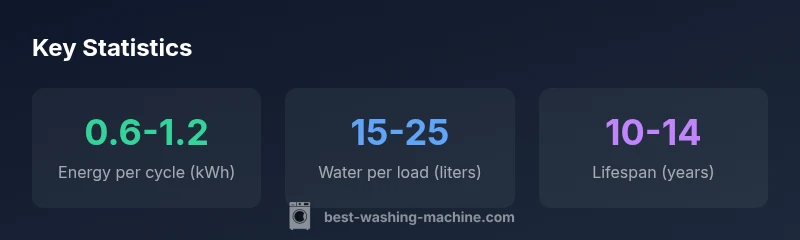
Across 2026 models, a washing machine 8kg offers a balanced blend of capacity and efficiency for medium households. On average, energy use per cycle ranges from 0.6 to 1.2 kWh, and water per load typically falls in the 15-25 liters range. For families of 3-4, an 8kg model aligns well with daily laundry needs while keeping utility costs manageable.
What does 8kg capacity really mean for your laundry?
An eight-kilogram washing machine represents a practical middle ground between compact units and larger family-size models. The 8kg figure refers to the maximum dry clothes it can handle in a single cycle; real-world loads are typically smaller due to fabric type and how you pack the drum. For many households, a washing machine 8kg can accommodate daily laundry needs for 3–4 people, enabling multiple loads without jumping to a 9–12kg model. Front-load designs often maximize drum volume and fabric care, while top-load variants can offer faster fill times but may use more water per cycle. When assessing options, compare actual drum liters, spin speed, cycle options, and energy ratings rather than relying solely on the nominal 8kg label. This approach ensures the model you choose fits your space and laundry habits, especially in smaller urban homes or apartments with limited laundry room clearance.
For homeowners evaluating a washing machine 8kg, keep an eye on adjustable spin speeds and stain-tide options, which influence how often you’ll need to re-wash items. In the long run, the right 8kg machine balances daily usability with durability and running costs, rather than chasing the largest capacity alone.
Front-load vs top-load: Is an 8kg the right size for you?
Eight-kilogram capacity shows up most often in front-load models, thanks to efficient tumbling and high spin speeds that extract more water. Front-load washing machine 8kg variants tend to deliver better energy and water efficiency, which translates to lower operating costs over several years. Top-load 8kg options exist and can be appealing for their ergonomics and faster cycle options, but they generally use more water and may lag behind front-loads on energy efficiency.
Your choice should hinge on your space, door orientation, and loading preferences. If you’re working with a narrow hallway or a tight closet, the footprint and door swing of a front-loader can matter more than capacity alone. Also consider the cycle latency and the availability of rapid wash programs that help you squeeze in quick loads during busy weeks. Finally, verify whether the model offers reversible doors or compact dimensions that suit your laundry alcove.
By weighing space constraints against efficiency gains, you’ll identify whether an 8kg front-load or 8kg top-load best suits your household rhythm and cleaning expectations.
Energy use and water efficiency: understanding the metrics
Evaluating energy use for a washing machine 8kg requires looking beyond the sticker label. Per-cycle energy ranges and annual energy estimates are better guides than a single number, and the best models provide transparent testing methods. Front-load 8kg machines frequently achieve lower energy per cycle due to efficient drum design and fast spin cycles, while certain top-load variants now offer comparable performance through improved agitation and sensor control.
Key efficiency enhancers include variable-speed motors, soil-sensing load detection, cold-wash compatibility, and advanced auto-dispensing systems that minimize detergent waste. For households running multiple cycles weekly, even small reductions in energy or water use compound over time, reducing long-term bills. When comparing models, prioritize per-cycle energy, water usage per cycle, and the predicted annual consumption rather than headline features alone.
In sum, an 8kg washer with solid energy-saving features tends to deliver the best long-term value for a mid-sized family, balancing performance with ongoing operating costs.
Key features to look for in an 8kg washer
When shopping for a washing machine 8kg, prioritize features that directly impact efficiency, fabric care, and ease of use. High spin speeds (often 1200–1400 RPM) extract more water, shortening drying times and lowering energy for the entire laundry cycle. Look for sensors that automatically adjust water levels and load weight to reduce waste, particularly if you frequently wash mixed loads. Detergent-dispensing systems that precisely measure soap save both money and residue on fabrics. Additional helpful features include: multiple wash programs (cotton, synthetic, delicate, quick wash), pause-and-fill capability for mid-cycle tweaks, and a reliable child-lock option for households with kids. Modern connectivity (smart apps, remote start) can offer convenience and maintenance alerts, but verify that these extras don’t significantly raise the upfront cost. For an 8kg washer, a balance of core cleaning performance, efficiency, and user-friendly controls is the sweet spot.
Finally, verify warranty coverage and the availability of local service centers. A well-supported 8kg machine reduces downtime and repair costs, preserving performance and value over time.
Size, dimensions, and installation considerations
A washing machine 8kg is often a compact footprint relative to larger family models, but exact dimensions vary by brand and design. Before purchase, measure the alcove or space in your laundry room, accounting for clearance for door swing, ventilation, and access to hoses and filters. Ensure the machine’s depth fits behind cabinetry or away from walls where cords and connectors require slack. If you have a front-facing cabinet, verify whether you need a reversible door and compatible hinge hardware. Plumbing access is critical: check the height and location of cold and hot water connections and ensure the drain hose reaches a drain standpipe without kinking or sagging.
If you’re installing in a tight space, consider a compact 8kg model with an offset hinge or a pedestal design to elevate the drum for easier loading. Finally, check the availability of installation services in your area; professional setup minimizes leaks, vibration, and level issues that can degrade performance over time.
Durability, warranties, and repairability
Durability matters more with any long-term appliance investment, and a washing machine 8kg is no exception. Look for robust build quality, stainless steel or reinforced tub materials, and components designed for repeated load cycles without excessive wear. Warranties are a practical proxy for confidence: a longer coverage period on the drum and motor often signals better durability. When evaluating repairability, consider how easy it is to access common failure points like hoses, bearings, and seals, as well as the availability of spare parts and local technicians. Brands that publish clear service manuals or have established authorized repair networks typically offer more sustainable long-term value.
Additionally, investigate the availability of extended service plans and routine maintenance packages. A well-supported 8kg washer reduces the total cost of ownership and minimizes unexpected downtime, making it a smarter choice for households that rely on laundry day reliability.
How to compare models: a practical checklist
To compare models efficiently, use a structured checklist tailored to a washing machine 8kg. Start with capacity relevance: confirm that 8kg truly meets your weekly load volume and fabric mix. Then compare energy and water metrics per cycle, and estimate annual consumption to predict operating costs. Examine spin speed options and noise levels, especially if the unit sits near living spaces. Review program variety, including quick wash, stain-removal, and bulky item cycles. Check detergent options: auto-dispense can reduce waste and simplify dosing. Finally, consider warranty terms, service accessibility, and user reviews that reflect real-world performance. A side-by-side spec sheet helps illuminate trade-offs between models, ensuring you choose an 8kg washer that delivers consistent results with lower ongoing costs.
Pro tip: create a short scoring rubric (1–5) for energy, capacity, noise, and features, then tally the scores to identify the best value option among 8kg washers.
Cost of ownership: upfront price vs long-term costs
The cost of ownership for a washing machine 8kg includes upfront purchase price, installation, and ongoing operating costs. While 8kg washers with premium features can command higher sticker prices, the long-term savings from energy and water efficiency can compensate over several years. When evaluating options, compare total operating costs over a typical usage period, such as 5–7 years, rather than focusing solely on the upfront price. Consider also potential maintenance costs, parts availability, and whether an extended warranty adds value based on your usage pattern. In many households, the best balance of upfront investment and long-term savings comes from 8kg models that combine solid core cleaning with efficient energy and water use, rather than the most feature-rich unit lacking efficiency gains.
Common myths about 8kg machines and how to avoid them
Myth: An 8kg washer is always a compromise on cleaning power. Reality: For most households, an 8kg machine delivers full-size performance with modern front-load designs, provided you choose the right cycle settings. Myth: Bigger is always better. Reality: Capacity should match your load patterns; overestimating capacity can waste energy and water. Myth: 8kg models cannot handle bulky items. Reality: Many 8kg machines include dedicated bulky cycles and optimized drum geometry for large items. Myths persist, but by testing different programs and reading performance reviews, you can avoid overpaying for features you won’t use and select a model that truly fits your needs.
Comparison of washing machine types
| Model Type | Avg Lifespan | Water Usage per Cycle |
|---|---|---|
| Front-load 8kg | 12-14 years | 15-20 liters/load |
| Top-load 8kg (HE) | 10-12 years | 15-25 liters/load |
| Top-load 8kg (standard) | 9-12 years | 25-35 liters/load |
FAQ
What sizes qualify as an 8kg washing machine?
An 8kg washing machine is labeled as 8kg capacity and refers to the maximum dry load it can handle in a single cycle. The actual usable capacity for daily laundry depends on fabric type and how items are arranged in the drum.
An 8kg washer means it can handle up to about eight kilograms of dry laundry per cycle, but real loads may be a bit less depending on the fabrics.
Are 8kg washers front-load or top-load more common?
Front-load 8kg washers are more common due to their energy and water efficiency. Top-load 8kg models exist, but they often use more water and can be less efficient overall.
Front-load 8kg machines are usually the greener choice, though you can find 8kg top-load options too.
Is 8kg capacity enough for a family of 4?
For many families of four, an 8kg washer covers typical weekly loads, especially with mixed fabrics and efficient cycles. If you wash bulky items often or run multiple heavy loads, you might prefer a larger model.
Usually yes for most families, but it depends on your laundry pattern and bulky items.
What maintenance does an 8kg washer need?
Regularly clean the drum and gasket, check hoses for wear, and run a monthly cleaning cycle with an appropriate cleaner. Keep filters clear and avoid overloading to maintain performance.
Keep it clean, check hoses, and run a monthly cleaner to prevent buildup.
What features add value to an 8kg washer?
Look for high spin speeds, multiple wash programs including quick and eco modes, load sensing, auto detergent dispensing, and reliable sensors that protect fabrics. Connectivity can be convenient, but ensure core performance remains strong.
Key features include efficient cycles, load sensing, and reliable fabric care options.
How long does an 8kg washing machine last?
With proper care, a washing machine 8kg typically lasts about 10–14 years, depending on usage, installation, and maintenance practices.
About 10 to 14 years with good care.
“An 8kg washing machine balances capacity with efficiency, making it a smart choice for mid-sized households when paired with solid performance features.”
The Essentials
- Choose an 8kg washer for mid-sized households.
- Prioritize energy and water efficiency for ongoing savings.
- Front-load 8kg models typically outperform top-load in efficiency.
- Verify space, door swing, and plumbing before buying.
- Rely on durable construction and solid warranties to maximize value.