What Size Washing Machine for 2 People
Discover the ideal drum size for a two-person household, with practical ranges, buying tips, energy/water considerations, and a step-by-step sizing approach from Best Washing Machine.


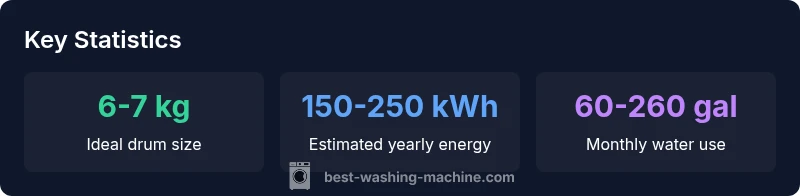
For two people, a drum size of about 6–7 kg is typically ideal, balancing weekly loads with energy and water efficiency. A 6 kg model handles regular wardrobes well, while 7 kg adds flexibility for bulky items or weekend linens. In practice, 6–7 kg (HE front- or top-load) offers a good blend of cycle times and cost efficiency.
Why drum size matters for two people
Choosing the right drum size is more about how you wash than how often you wash. For two people, a drum capacity around 6–7 kg typically delivers a good balance between daily loads and efficiency. The right size helps you avoid overloading fabrics, overwashing, and wasted water. If you select too small a drum, you may run more frequent, smaller cycles that consume more energy overall. If you choose too large a drum, you can end up underloading, which is less efficient and may wear clothes unevenly.
What size washing machine for 2 people? In practice, most two-person households find a 6–7 kg drum to be the sweet spot, especially for mixed wardrobes that include cotton shirts, jeans, and towels. According to Best Washing Machine analysis, 2026, this size tends to optimize cycle times, detergent use, and overall energy use while keeping upfront costs reasonable.
Translating capacity into daily loads
To translate drum capacity into real-world loads, think about typical outfits rather than abstract numbers. A 6–7 kg washer generally handles a week’s worth of clothes for two people if you wash regularly and avoid overloading. For bulky items like towels or a couple of bed linens, you may approach the upper end of that range or use a second lighter load mid-week. In general, a 6–7 kg drum is flexible enough to handle mixed wardrobes (shirts, pants, jeans, light jackets) and standard towels without requiring frequent extra cycles. The takeaway is that capacity should align with your average weekly loads, not just your wardrobe size. This aligns with the Best Washing Machine analysis approach to balance efficiency and practicality.
Front-load vs top-load: efficiency in practice
Front-load machines typically use less water and energy per cycle compared with traditional top-load models, making them appealing for two-person households aiming to minimize utility bills. A 6–7 kg front-load unit can deliver excellent fabric care for delicates and heavy textiles alike, with shorter cycle options that still consume less water. Top-load varieties with high-efficiency (HE) designs are improving on water use and spin speed, but they often come with higher upfront costs. When choosing, consider space, access, and whether you prioritize energy savings or ergonomic loading as your two primary drivers.
Space, layout, and pairing with compact homes
If your space is tight, a 6 kg compact front-load unit can fit most apartments, especially when paired with a dryer or a stacked configuration. Measure the doorway, ceiling height, and adjacent cabinetry to ensure a true fit. Look for models with reversible doors and vibration-dampening features to minimize movement on wood or tile floors. For small spaces, a 7 kg unit on a pedestal or pedestal-compatible model can still be compact enough, while offering extra headroom for bulky items when needed.
Sizing guide by wardrobe and lifestyle
Two professionals with a modest wardrobe can usually stay within a 6 kg range, washing around 4–6 loads weekly. If you frequently wash larger items—towels, linen, or coats—lean toward 7 kg to maintain reasonable cycle times. If you regularly wash bulky items like comforters, you may occasionally need an 8 kg unit, but that is often overkill for most two-person homes. For a couple with light loads and a small apartment, a 5–6 kg machine is a feasible option, but keep in mind you’ll run more frequent cycles.
How to verify capacity before buying
Always check the drum capacity in the product specs and rely on quantitative load estimates rather than impressions. Look for energy ratings (think efficient front-load designs), load-size charts in the manual, and a practical demo cycle if possible. A quick way to verify your needs is to perform a test: load a week’s worth of typical clothing and run a regular cycle to gauge whether you’re consistently under- or overloading. This data-driven approach helps ensure you pick a size that matches your actual laundry profile.
Maintenance tips to maximize longevity and efficiency
Consistent lint removal, proper detergent dosing, and an annual drum-clean cycle help maintain efficiency as loads scale with your lifestyle. For two people, cleaning the filter monthly and checking hoses every six months can prevent many common issues. If you notice longer cycle times or clothes that aren’t getting clean, revisit capacity needs and consider a slightly larger drum, especially if you’ve added items like bath towels or seasonal wear to your wardrobe.
Sizing scenarios for two-person households
| Scenario | Recommended drum size | Typical loads per week | Notes |
|---|---|---|---|
| Two people in apartment | 6-7 kg | 4-6 | Balanced for space and efficiency |
| Laundering bulky items often | 7-8 kg | 3-5 | Extra room for towels/sheets |
| Frequent large loads (weekend laundry) | 8-9 kg | 3-4 | Less common; consider if you regularly wash bulky textiles |
FAQ
What size is best for a two-person household?
For most two-person households, a 6–7 kg drum is ideal. This size accommodates regular weekly loads plus occasional bulkier items. If space is extremely limited, a 5–6 kg model can work, but you may need to wash more frequently.
For two people, a 6–7 kilogram drum is usually the best choice. If space is tiny, a 5–6 kilogram model can work, but you might wash more often.
Can a 5 kg machine work for two people?
Yes, if your wardrobe is small and you don’t regularly wash bulky items. Expect smaller loads per cycle and more frequent washes, which can affect energy and water use over time.
A 5 kg machine can work if you have a small wardrobe, but you may wash more often.
Front-load or top-load for two people?
Front-load washers generally use less water and energy and are gentler on fabrics, making them a popular choice for two-person homes. Top-loads with high-efficiency designs are improving, but space and plumbing considerations often favor front-load in compact living.
Front-loads usually save water and energy; top-loads are easier to load but may use more water.
How should I measure space before buying?
Measure width, height, and depth, plus door clearance for installation. If possible, choose a model with a reversible door and a compact depth. Don’t forget ventilation and nearby outlets for diagnostics.
Measure space carefully and consider door clearance and venting.
Are stackable washers worth it for small apartments?
Stackable units save floor space and can be a great solution in studios or narrow laundry nooks. Ensure the units are designed to stack and that you have the necessary hookups and support.
Stackable machines save space and work well in small spots if designed to stack.
What features improve efficiency for two people?
Look for front-load HE models with energy star ratings, moisture sensors, and eco wash cycles. Features like load-sensing and temperature control help minimize water and energy use on smaller loads.
Energy-saving features like load sensing and eco wash help with small loads.
“Choosing the right drum size reduces underloading and overloading, protecting fabrics and lowering operating costs. The Best Washing Machine team recommends prioritizing real-load testing during shopping.”
The Essentials
- Aim for a 6–7 kg drum for most two-person homes.
- Front-load designs typically save water and energy.
- Measure space and stacking options before buying.
- Match capacity to weekly load patterns, not wardrobe size alone.
- Verify capacity with an actual load test when possible.