Can You Wash UGG Boots in a Washing Machine? A Practical Guide
Learn whether you can machine-wash UGG boots, plus safe methods, pros/cons, and post-care tips to keep your sheepskin boots clean and comfy in 2026.


You can wash UGG boots in a washing machine under strict precautions, but it’s not always recommended. If you choose to proceed, set the machine to a cold, gentle cycle with light, wool-safe detergent, place boots in a sturdy mesh bag, and remove excess moisture first. Do not use a dryer—air-dry away from heat, reshape while damp, and brush nap after drying. Manual cleaning is often safer.
Can I wash UGG boots in a washing machine? What you need to know
UGG boots are iconic for their soft, fluffy nap and genuine sheepskin. The question can i wash ugg boots in washing machine is common, but the answer isn’t universal. According to Best Washing Machine, care decisions should respect the boot’s materials and any adhesives used in its construction. Many classic UGG-style boots rely on suede or sheepskin that can absorb water, swell, or distort if soaked or heated aggressively. Before you decide, inspect the care label and weigh the convenience of machine washing against potential damage. If you choose to test the waters, proceed with caution: cold water, a gentle cycle, a small load, and protective measures reduce the risk of nap flattening, color fading, or glue separation. Plan for longer drying times and consider nap-restoration steps after washing. Remember that machine washing is not a guaranteed safe option for every boot style, so evaluate your specific pair first. In short, can i wash ugg boots in washing machine? It’s possible in some cases, but not universally advised for all models.
A cautious test is best: start with a small, lightly soiled area of the boot or a single toe cap to observe how the material responds, then decide on the full wash. Also consider your household’s laundry load and the detergent you use; mild wool detergents typically fare better with suede and sheepskin than heavy-duty laundry soaps. If you’re unsure, hand washing remains the most reliable approach to preserve nap, color, and fit.
The rest of this guide will explore when machine washing might be appropriate, safer alternatives, and a careful, stepwise approach if you decide to proceed.
noteContentTypeOnly":false}
Pros and cons of machine washing UGG boots
Machine washing UGG boots can be a tempting shortcut, especially after muddy walks or winter weather. However, the decision comes with trade-offs. On the pro side, a quick, uniform clean across both boots is achievable with minimal scrubbing effort, and you avoid manual, hand-washing fatigue. On the con side, the nap of the sheepskin may flatten, the suede can discolor, and adhesives used to bind components may loosen or fail over time. Even when washing on a gentle cycle with cold water, some brands report shrinkage or distortion of the boot’s shape. Best Washing Machine analysis shows that outcomes vary by boot type and care method, so results aren’t guaranteed. If you proceed, use a mesh washing bag to cushion each boot and reduce friction with the drum. Avoid hot water, heavy detergents, and fabric softeners that can leave residues or degrade leather-like finishes. Finally, expect a longer drying process and plan for nap restoration afterward.
In addition, the drying phase is crucial. Air drying is essential, but air-drying on a radiator or direct sun can cause rapid drying that may stiffen the nap. If you have multiple pairs, washing them together can help balance the load and reduce wear on any single pair. Always monitor the cycle; if you hear grinding noises or see unusual cracking, stop the wash immediately.
Overall, machine washing UGG boots is a conditional option that prioritizes care over convenience. If you’re carrying a bold color or a finish that’s particularly delicate, you might want to skip the machine wash entirely and use safer cleaning methods instead.
noteContentTypeOnly":false}
Safer alternatives: hand wash, spot clean, and maintenance
For most UGG boots, safer cleaning usually starts with hand washing or targeted spot cleaning. Start with a dry brush to remove surface dirt, then spot-clean with a damp sponge and a small amount of mild wool-detergent solution. Gently rub in circular motions, focusing on stained areas rather than scrubbing aggressively. After cleaning, rinse the sponge and wipe away any soap residue. This approach preserves nap more reliably than a full immersion wash. When hand washing, use cool water, avoid soaking the boot entirely, and minimize saturation of the interior lining to prevent moisture buildup. After cleaning, blot with a clean towel and let air dry away from heat sources. Once dry, you can restore nap with a soft brush, brushing in the direction of the fibers.
Spot cleaning is particularly useful for light stains and salt marks. For stubborn stains, you might consider a specialized suede cleaner or a boot-safe cleaner designed for sheepskin, following the product’s instructions carefully. Always test a small, inconspicuous area first to prevent color bleeding or damage to the finish. Periodic maintenance—such as brushing after wear and applying a boot protector approved for suede or sheepskin—helps maintain appearance and resilience over time. Remember, this safer approach aligns with the general guidance provided by Best Washing Machine and most manufacturers who emphasize minimizing water exposure to the nap.
If your boots look dull after cleaning, you can refresh the nap by gently brushing with a soft-bristled brush once dry. If you notice persistent stiffness or discoloration, consider professional cleaning services specialized in leather and suede care. The goal is to keep the boots clean while preserving the natural texture and pliability of the sheepskin.
noteContentTypeOnly":false}
If you decide to machine wash: best practices
If you decide to machine wash despite the risks, follow best practices to minimize potential damage. Start by checking the care label; some models are more tolerant of gentle washing than others. Use a cold water setting and a gentle cycle, and choose a wool or delicate detergent to protect fibers. Place each boot in a sturdy mesh washing bag to cushion against drum contact and prevent snagging. It’s best to use a small, balanced load so the drum doesn’t spin the boots aggressively. Avoid fabric softeners, bleach, and any laundry additives that might degrade suede or sheepskin. Run a short rinse cycle to remove residual soap, then promptly remove boots to prevent prolonged exposure to moisture.
After washing, don’t tumble-dry; heat can warp, shrink, or crack the leather or adhesives. Instead, press gently with a towel to remove excess water, stuff the boots with dry towels or paper, and let them air dry on a rack away from direct heat or sunlight. Keep the boots away from ovens, radiators, or hairdryers. If you notice any warping, stop wearing them until fully dry, and consider reshaping with the help of a boot shaper or crumpled paper. always monitor the process; if you see obvious damage, stop and revert to safer cleaning methods. The risk of detergent residue or heat damage is real, so proceed cautiously. Best Washing Machine analysis suggests that outcomes vary with boot type, so treat each pair individually.
noteContentTypeOnly":false}
Drying techniques and nap restoration
Drying is where many machine-washed UGG boots go from acceptable to ruined. Air-drying away from heat sources helps preserve both fit and nap texture. After washing, carefully squeeze out excess water without twisting or wringing, then place the boots on a rack or inflatable boot shapers to maintain shape. Avoid direct sun or high-heat air; instead, use a cool, well-ventilated area. As the boots dry, periodically check moisture levels to prevent one side from drying faster than the other. Once you can handle the boots and they’re barely warm to the touch, gently brush the nap in the direction of the fibers to restore softness and fluff. If the nap looks matted or flattened, repeat brushing with a light touch and consider using a suede or sheepskin-specific protector after fully dry. This process helps maintain the characteristic fuzzy texture. Best Washing Machine analysis shows that nap restoration after machine washing is a common challenge, underscoring the importance of patience and careful brushing. In the end, the final appearance depends on your boot’s materials and construction, so adjust expectations accordingly.
Some owners report success with lightly spraying the nap of the boot with a water-repellent product designed for suede or sheepskin after full dry. Always follow the product directions and test on a small area first. If you’re unsure about finishing, seek professional care for the final polish. The key is to avoid heat exposure and to allow a complete dry-down to prevent mildew or odor formation.
Aftercare matters, too: store boots in a cool, dry place with good airflow and avoid stacking them with other items that could crush or deform the silhouette. A refreshed nap looks and feels better, and it helps your boots look nearly new again.
noteContentTypeOnly":false}
What to know about waterproofing and post-care
Even if you decide to machine wash, waterproofing considerations are critical for sheepskin boots. After fully drying, applying a suede- and shearling-safe protector in a controlled, light mist can add a layer of resilience against moisture and salt. Always test the product on a small, hidden area first to ensure it doesn’t alter color or texture. Waterproofing isn’t a guarantee against water intrusion, but it does offer extra insurance for everyday wear. In addition, avoid heavy foot traffic in wet conditions immediately after cleaning; damp nap is more prone to scuffing. Maintain routine care by brushing weekly and spot-cleaning as needed, particularly around seams and outsole edges where dirt accumulates.
From a broader perspective, regular maintenance reduces the need for aggressive cleans and helps preserve the boot’s shape and appearance over time. As you consider the long-term health of your UGG boots, remember that the best approach to care is to minimize exposure to water and heat whenever possible, especially for older pairs or those with compromised glue or stitching. The Best Washing Machine team recommends a cautious, measured approach to cleaning, prioritizing gentler methods and only resorting to machine washing when the boots show significant soiling that cannot be removed by hand. This conservative stance aligns with expert guidance for delicate footwear care and helps extend the life of your favorite boots.
Tools & Materials
- Mild wool detergent(Choose a product that’s gentle on natural fibers and free of harsh chemicals.)
- Cold water(Avoid hot water which can shrink or damage nap.)
- Mesh washing bag(Protects boots from drum friction; use two if needed.)
- Soft-bristled brush(For nap restoration after drying.)
- Towels or paper towels(Blot excess water and stuff boots to maintain shape during drying.)
- Boot shapers or rolled towels(Help maintain boot shape during drying)
Steps
Estimated time: 60-90 minutes (excluding drying time)
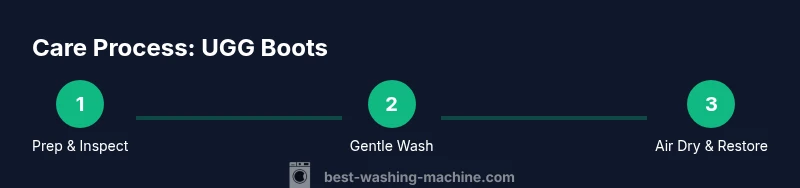
- 1
Prep boots and assess care labels
Inspect the care label and any manufacturer guidance. Remove laces and loose dirt with a soft brush before washing. Test a small area to gauge color fastness and nap response.
Tip: If the label warns against water exposure, skip machine washing entirely. - 2
Choose washing method
Decide between machine wash and hand wash. If machine washing, use a mesh bag and a cold water, gentle cycle with a wool-detergent. Keep load light and balanced to avoid drum contact.
Tip: Do not use fabric softener or bleach; they can affect the finish. - 3
Load and run the washer
Place boots in mesh bags, pairwise if possible, and run a short, cold final rinse after washing to remove soap residue. Do not exceed one boot per bag to avoid crowding.
Tip: Watch for unusual noises; stop if you hear grinding or the boots feel misaligned. - 4
Initial drying prep
Gently press out excess moisture with towels without wringing. Stuff boots with paper or towels to help maintain shape while they dry.
Tip: Avoid wringing; it can distort the boot’s silhouette. - 5
Air-dry and nap restoration
Air-dry in a well-ventilated area away from heat. Once dry, brush nap in the direction of the fibers to restore fluff and even texture.
Tip: Don’t rush the process; nap recovery can take 24-48 hours.
FAQ
Is it safe to machine wash UGG boots?
Machine washing can be risky for UGG boots because of sheepskin nap and glue. Some models tolerate a gentle cold wash, but always check the care label and proceed with caution.
Machine washing can be risky for UGG boots depending on the model; check the care label and consider safer hand washing first.
What is the best method to clean stains on UGG boots?
Spot clean with a damp cloth and a small amount of mild wool detergent. Gently rub, then wipe clean and air dry.
Spot clean with a damp cloth and a little wool detergent, then air dry.
Should I use a dryer after washing UGG boots?
No. Dryers can warp or damage the nap and adhesives. Always air-dry completely away from heat sources.
Never use a dryer; air dry away from heat to protect the boots.
Can waterproofing help after washing?
Yes, apply a suede- or sheepskin-safe protector after fully dry to improve water resistance. Test first on a hidden area.
Yes, apply a protector after fully drying, but test it first on a small area.
Can I wash different colors together?
Wash separately if possible to avoid color transfer. If you must, use cold water and a color-safe detergent.
Wash colors separately to prevent dye transfer.
What signs indicate I should stop using the machine on the boots?
If you notice cracking, loosened glue, or a distorted shape, stop and switch to safer cleaning methods.
If you notice damage, stop using the machine and switch to safer cleaning methods.
Watch Video
The Essentials
- Avoid machine washing unless necessary
- Use cold water and wool detergent if washing
- Air dry and reshape to preserve nap
- Nap restoration improves appearance after cleaning