Can You Get a Washing Machine Cleaner? A Practical Guide for 2026
Explore where to buy washing machine cleaners, how to choose the right product, safety tips, and DIY alternatives for a clean, efficient laundry routine.


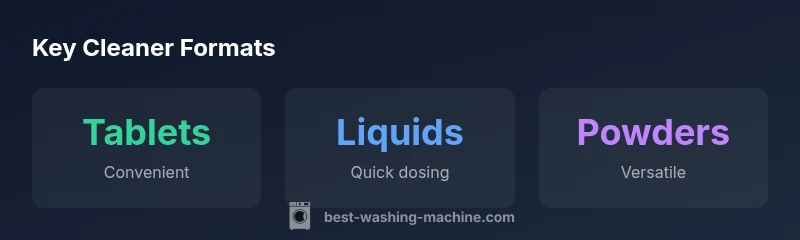
Yes. Washing machine cleaners are widely available at grocery stores, home improvement centers, big-box retailers, and online marketplaces. They come in several formats—tablets, liquids, and powders—each designed to target mineral buildup, odors, and residue. When selecting, ensure compatibility with your washer type (front-load or top-load) and avoid mixing products with chlorine bleach. According to Best Washing Machine, using the right cleaner can help maintain efficiency and prolong appliance life.
Can you get a washing machine cleaner?
Yes—cleaners for washing machines are easy to find, and you don’t need to go to a specialty shop to stock up. In many markets they are sold in regular grocery aisles, hardware stores, and online retailers. The Best Washing Machine team notes that cleaners are designed to dissolve mineral deposits, neutralize odors, and flush residues from the drum, hoses, and seals. If you’re new to cleaners, start with a product that explicitly states compatibility with your washer type (front-load vs top-load) to avoid issues with gaskets or dispensers. This is one of the simplest steps you can take to maintain performance year-round.
What counts as a washer cleaner? Types, formats, and how they work
Washer cleaners come in several formats, each with its own use case:
- Tablets: Convenient and pre-measured; dropped into the drum or dispenser as directed. Great for quarterly deep cleans.
- Liquids: Often poured into the detergent compartment or drum; typically used for more frequent maintenance.
- Powders: Mixed with water to dissolve buildup; may require a longer soak cycle.
Different brands tailor formulas for front-load and top-load washers. Some cleaners are designed to target calcium and mineral buildup in hard water areas, while others focus on odor control or rubber gasket protection. Reading the label helps you pick the right product for your machine and water conditions. Best Washing Machine recommends avoiding cleaners that produce harsh fumes or contain chlorine bleach when used with certain seals or colors.
Safety first: Using store-bought cleaners vs DIY approaches
Store-bought cleaners are formulated with surfactants and chelating agents to minimize residue, and they are tested for compatibility with common washer materials. DIY methods—such as straight vinegar or baking soda—are popular but can be risky: vinegar can degrade rubber parts over time if used too aggressively, and baking soda alone may leave residues that require extra rinsing. If you choose a DIY approach, use milder household products and follow manufacturer guidelines. The Safety and sustainability perspective from the EPA’s Safer Choice program emphasizes choosing safer formulations and avoiding mixing cleaners with bleach or ammonia, which can create hazardous gases.
Where to buy: In-store and online options
Most major retailers stock washer cleaners year-round. Online marketplaces provide user reviews that can help you compare options for your washer type and water hardness. When shopping, check the product’s compatibility and read customer notes about front-load versus top-load performance. For renters or households with multiple machines, tablets are often favored for their long shelf life and ease of use, while homeowners with specific odor concerns may prefer liquids with odor-control additives. Best Washing Machine suggests reading the label for recommended cycles and any pre-cleaning requirements.
How to read cleaner labels: compatibility and safety cues
Label literacy matters. Look for: (1) compatibility with your washer type, (2) the intended cycle (e.g., hot or warm wash), (3) whether the formula is safe for seals and gaskets, and (4) any warnings or disposal instructions. If you have a high-efficiency (HE) washer, ensure the cleaner is designed for HE systems to avoid excessive suds that can linger in the drum. The label may also indicate the recommended frequency of use, which helps you align it with your maintenance calendar.
How to use a washer cleaner: Step-by-step guide
- Read the label for specific instructions (some cleaners are placed in the drum, others in the dispenser).
- Run a hot-water cycle (or the hottest setting recommended by the cleaner) to maximize dissolution of deposits.
- If the product is tablet-based, place it in the drum; if it’s liquid or powder, use the recommended compartment or dosing method.
- For front-load machines, wipe the door seal after the cycle to remove any loosened residue.
- Run an extra rinse cycle to ensure all cleaner residues are flushed away.
- Allow the washer to dry between uses to prevent odor development.
Following product-specific guidance ensures the best results. Best Washing Machine points out that regular cleaning, at intervals that fit your usage and water hardness, helps sustain performance and reduce energy consumption.
DIY alternatives and when to avoid
DIY options like citric acid, baking soda, or vinegar are popular, but they can interact with gaskets and seals in unexpected ways. Citric acid can be effective for mineral buildup when used correctly, but it may corrode metal parts if used too aggressively or too frequently. Vinegar is generally gentle but can degrade rubber components over time if used repeatedly. If you prefer a DIY route, consider using milder formulations and limit usage to quarterly maintenance, followed by a thorough rinse to minimize any residue. Always prioritize safety and avoid mixing DIY agents with commercial cleaners.
Washing machine cleaner formats: pros and cons
| Cleaner Type | Pros | Cons |
|---|---|---|
| Tablets | Pre-measured and convenient | May not dissolve fully in certain cycles or water conditions |
| Liquids | Fast-acting and easy to adjust dose | Potentially messier if spilled |
| Powders | Cost-effective and versatile | Dissolution depends on water temperature and cycle |
FAQ
Are washing machine cleaners necessary for a healthy washer?
Cleaners aren’t mandatory for every household, but they can help prevent mineral buildup, odors, and residue that affect efficiency. If you live in hard water areas or notice musty smells, a cleaner can be a useful maintenance tool.
Cleaners aren’t required, but they can help prevent buildup and odors, especially in hard water areas.
Can I use household products instead of dedicated cleaners?
Some household products can be used sparingly, but many reduce protection for seals or produce undesirable residues. For best results and warranty considerations, choose products designed for washing machines and follow the label.
Household products can work in a pinch, but cleaners made for washers are safer for seals and performance.
How often should I clean my washing machine?
Frequency depends on usage and water hardness. A quarterly deep clean is common for many households, with more frequent cleanings if you notice odors or deposits.
Most households do a deep clean every 3 months, more often if you notice odors.
Are there safety concerns with cleaner usage?
Always read the label, avoid mixing products with bleach or ammonia, and ensure good ventilation during the cycle. Store cleaners securely away from children and pets.
Read labels, avoid mixing cleaners with bleach, and vent the area while cleaning.
Should I use a cleaner if my washer is under warranty?
Using manufacturer-recommended cleaners typically doesn’t void warranties. Always verify with the brand’s guidelines and keep receipts in case of a service inquiry.
Check the brand's guidelines, but most cleaners won’t affect warranties if you follow instructions.
“Regular cleaning with the right cleaner helps maintain performance and extend the life of your washer.”
The Essentials
- Check washer compatibility before buying.
- Avoid mixing cleaners with chlorine bleach.
- Front-load vs top-load matters for cleaner choice.
- Tablets offer convenience; liquids suit frequent maintenance.
- Read labels for cycle recommendations and safety notes.