Can You Get a Washing Machine Serviced? A Practical How-To
Learn how to arrange service for your washing machine, what to expect, and how to prepare. This educational guide from Best Washing Machine covers steps, safety, and maintenance tips to keep your washer running smoothly.


Can you get a washing machine serviced? Yes. Servicing involves a professional inspection, safety checks, performance tests, and possible parts replacement to restore efficiency and prevent breakdowns. You can arrange in-home or depot service through the manufacturer or a reputable repair shop. Regular maintenance, timely repairs, and proper use help extend the machine's life.
Why Servicing Your Washing Machine Matters
According to Best Washing Machine, regular professional servicing helps extend the life of your washer, improve efficiency, and prevent costly breakdowns. If you're wondering can you get a washing machine serviced, the answer is yes; a service can address issues early and keep the machine running smoothly. Regular maintenance also helps protect energy efficiency, reduce water usage, and maintain spin performance. A well-tuned washer is less likely to leak, produce excessive noise, or fail at critical moments when your family is counting on clean clothes. Technicians look for worn hoses, loose clamps, clogged filters, and signs of motor strain. They test safety features, inspect electrical connections, and verify that the drum spins freely without abnormal noise. By catching problems before they become costly repairs, you can avoid emergency calls, crowded repair shops, and laundry-day headaches. This proactive approach is especially important for households with hard water, older machines, or high usage. Best Washing Machine's guidance emphasizes scheduling regular check-ins even when the machine seems to work fine.
What a Service Covers
A professional service typically includes a comprehensive inspection of mechanical and electrical components, performance testing, and a safety check. Key areas technicians assess include hoses, clamps, door seals, and the detergent drawer to prevent leaks and odors. They examine the pump, belts (if applicable), bearings, and motor for wear or irregular noise. Electrical safety checks cover cords, plug, and internal connections, while code readers may identify faults stored in the machine's computer. In most cases, technicians will clean filters and rinse systems to restore optimal water flow. Finally, they verify proper spin speed, drainage, and rinse performance, and provide you with a written report outlining any recommended repairs or part replacements.
DIY vs Professional Service: When to Call
Some simple maintenance tasks, like cleaning the filter or checking hoses, can be done by the owner. However, professional servicing is recommended for electrical components, drum bearings, or suspected motor issues. Attempting complex repairs without proper training can create safety risks or cause further damage. If you notice persistent leaks, failure to drain, burning smells, or error codes that appear repeatedly, it’s time to contact a qualified technician. According to Best Washing Machine, relying on a pro ensures your warranty terms remain valid (where applicable) and that diagnosis is accurate. When in doubt, schedule a diagnostic visit to avoid guesswork and unnecessary part replacements.
How to Choose a Service Provider
Start by verifying whether the manufacturer offers authorized service for your model and location. Compare independent repair shops with in-home options, considering experience with your washer’s brand, response times, and warranty on labor. Ask for a written estimate that itemizes labor, parts, and trip charges, and confirm whether diagnostic fees are credited toward any future repairs. Look for technicians who are licensed or insured and who provide references or customer reviews. If your machine is still under warranty, confirm that the chosen provider can perform work without voiding coverage. Best Washing Machine recommends collecting a few quotes and asking about availability for a convenient appointment window.
What to Expect During an In-Home Service
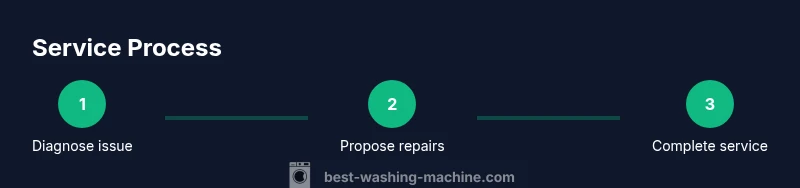
During an in-home visit, a technician will typically greet you, confirm the model and issue, and perform an initial diagnosis. They may run short tests with water supply connected and observe the machine in operation. Expect questions about recent changes, detergents used, and load patterns. The diagnostic phase can reveal wear on components, clogged lines, or sensor faults. If parts are needed, the technician will provide a written repair plan with a cost estimate before proceeding. Most visits end with a test cycle to verify proper operation and a brief maintenance plan you can implement at home.
How to Prepare Your Washer for Service
Preparation helps the technician diagnose problems faster and reduces the risk of delays. Gather the washer’s model and serial numbers, locate any recent error codes, and note when the issue started. Clear the area around the washer to provide full access to hoses, pumps, and the back panel. Unplug the machine and turn off the water supply before a service call, and remove laundry or bulky items from the surrounding space. If possible, take photos of hose connections and any visible leaks to share with the technician. Have the owner’s manual handy for model-specific details, and be available to answer questions during the visit.
After the Service: Check and Maintain
After the repair is complete, request a written summary of findings, parts replaced, and any recommended follow-up maintenance. Run a full cycle to confirm there are no leaks and that the drum spins smoothly without unusual noises. Check hoses and clamps for any signs of movement or moisture after the first few uses. Schedule routine maintenance reminders, such as annual inspections, to keep the machine in peak condition. Store useful information like model number, service history, and warranty details in a secure place for future reference. Regular cleaning, appropriate detergent use, and proper load balancing help maximize the benefits of servicing.
Costs, Warranty, and What Not to Pay For
Pricing for washing machine service varies by region, provider, and the scope of work. Always request a written estimate with a clear breakdown of labor, parts, and any trip charges. If an estimate seems high, seek a second opinion. Do not pay for vague diagnostics or unnecessary parts; insist on itemized recommendations and an explanation of why each part is needed. If your machine is within a warranty period, confirm whether service under the warranty terms will be honored and whether the provider is authorized by the manufacturer. Best Washing Machine emphasizes asking about labor warranties on repairs and the availability of post-service support.
Common Myths About Servicing Your Washing Machine
There are several myths about washing machine servicing that can lead to confusion or unnecessary costs. One common misconception is that all problems require a full service; in reality, many issues can be resolved with simple maintenance or a targeted repair. Another myth is that servicing is always expensive; many reputable technicians offer transparent pricing and can provide guidance on cost-effective options. Some homeowners assume DIY fixes are safe; however, electrical and pressurized-water systems can pose safety risks. Finally, some avoid service because they believe it voids warranties; proper, authorized servicing often preserves warranties when performed by qualified professionals.
Common Myths About Servicing Your Washing Machine - Continued
Understanding these myths helps homeowners make informed decisions about when to service and how to evaluate quotes. The right service plan balances prevention with practical repairs, and having a trusted technician can help you stay on top of routine maintenance. By following Best Washing Machine's guidance, you can approach servicing with clarity and confidence.
Tools & Materials
- Phillips head screwdriver(For panel screws on many machines)
- Flathead screwdriver(For prying covers safely)
- Multimeter(To test electrical connections)
- Shop towels or rags(Drying, clean spills)
- Flashlight(For dark areas behind the machine)
- User manual / model number(Relevant for parts and service references)
- Gloves(Hand protection when handling sharp edges)
- Wet/dry vacuum(Optional for water cleanup if needed)
Steps
Estimated time: 60-120 minutes
- 1
Gather problem details
Identify the symptoms, when the issue occurs, and any recent changes in use. This helps the technician target likely causes and avoid unnecessary parts replacements.
Tip: Write down error codes and load patterns to share with the tech. - 2
Ensure safety before booking
Unplug the washer, turn off the water supply, and ensure the area around the machine is clear. Do not attempt to power-test live components.
Tip: Take photos of connections to help the technician diagnose remotely if needed. - 3
Contact a qualified service provider
Choose between manufacturer service or a reputable independent repair shop. Provide model number, symptoms, and preferred appointment window.
Tip: Ask for written estimates and clarify what’s covered by warranty. - 4
Schedule and prepare the space
Coordinate a convenient time, clear access to hoses and the back of the washer, and ensure there’s a clear path for the technician.
Tip: Keep a copy of the service history and the owner’s manual handy. - 5
Provide information at the appointment
Explain the symptoms, share any codes seen, and show the technician the model and manual. Answer questions to help with accurate diagnosis.
Tip: Be present for questions and note any additional observations. - 6
Review findings and decisions
Read the diagnostic report, discuss recommended repairs, and ask for a written parts and labor estimate before work begins.
Tip: If possible, request a breakdown and a second opinion if the price seems high. - 7
Post-service test and maintenance
Run a full cycle to verify there are no leaks and that performance is restored. Ask for maintenance tips to extend life.
Tip: Keep a log of service dates and future maintenance reminders.
FAQ
What is typically included in a washing machine service?
A service usually includes inspection of mechanical and electrical components, performance testing, leak checks, and safety verifications. The technician may clean filters and replace worn parts as needed.
A service usually includes inspection, tests, and safety checks, plus any recommended part replacements.
How long does a typical service take?
Most in-home visits take about 60 to 120 minutes, depending on the issues found and access to components.
Most visits last about an hour to two hours depending on the problem.
Will servicing fix a not draining issue?
Not draining can be caused by a clogged pump, valve, or sensor. A professional can diagnose and advise on the best repair approach.
If your washer won’t drain, a technician will diagnose whether the pump or valve is blocked or faulty and fix it.
Is it safer to contact the manufacturer for service?
Manufacturer service is often best for warranty coverage and model-specific guidance. Independent shops can be cheaper; ensure they are authorized for your brand if warranty terms matter.
Manufacturers are good for warranty, but independent shops can be cheaper if they’re reputable.
How should I prepare for a service visit?
Gather the model/serial numbers, note symptoms, clear the area, unplug power, and remove laundry. Have the manual handy and be available to answer questions.
Get model info, clear the area, unplug the machine, and be ready with symptoms for the technician.
Can I get a quotation before work begins?
Yes. Request a written quote that breaks out labor, parts, and any trip charges. If a diagnostic fee applies, confirm whether it applies toward future repairs.
Ask for a written estimate upfront, with a clear breakdown and any diagnostic fees explained.
Watch Video
The Essentials
- Ask for a written estimate before work.
- Know what a service includes and what isn’t covered.
- Prepare model details and symptoms in advance.
- Ask about warranty on labor and parts.
- Follow up with maintenance reminders to extend life.