How Long Does a Front-Load Washing Machine Last? A Practical Lifespan Guide
Discover how long front-load washing machines last, the key factors affecting lifespan, and practical steps to extend life—based on Best Washing Machine Analysis, 2026.


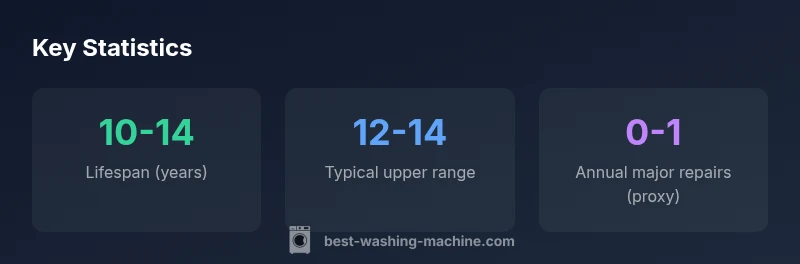
Front-load washing machines commonly last about 10-14 years with proper care, though lifespan varies by usage, detergent, water hardness, and maintenance. Most homeowners see the typical wear patterns impact the drum, seals, and hoses before failures occur. By following best practices from Best Washing Machine Analysis, 2026, you can stretch life closer to the upper end of the range.
Understanding Front-Load Longevity
Readers often ask how long a front-load washing machine lasts. When you break down lifespan, a single number rarely tells the full story because durability depends on build quality, how you use the machine, and how consistently you perform maintenance. According to Best Washing Machine, the typical range for front-load units is roughly a decade to a decade and a half under normal home use. The 10-14 year band is a useful benchmark for homeowners shopping for reliability and planning future replacements. In practice, the exact years you experience will hinge on several factors that we’ll unpack in the next sections.
Key Factors That Influence Lifespan
The lifespan of a front-load washer is shaped by usage patterns, installation quality, and maintenance discipline. Heavy daily use with large loads and frequent high-speed spins can accelerate wear on drums, bearings, and door seals. Water hardness and mineral buildup can affect valves, gaskets, and injectors, while the detergent type matters too: non-HE detergents can cause oversuds and residue that strain seals. Regular maintenance—such as cleaning the drum, gasket, and filters, plus ensuring the unit sits level—can significantly reduce wear and extend service life. The Best Washing Machine Analysis, 2026 emphasizes that predictable routines and gentle usage outperform sheer budget constraints when it comes to longevity.
Lifespan Benchmarks Across Common Front-Load Models
Across a broad range of brands and price points, front-load washers typically land in the 10-14 year range with good care. More premium designs that use higher-quality bearings and stainless-steel drums can push toward the upper end of that band, while lower-cost options may settle near the lower end. The range is intentionally broad to reflect real-world variance in components, maintenance, and water quality. Our framing here is meant to help you set expectations and plan for ownership costs over time, rather than promise a guaranteed lifecycle.
Maintenance That Moves the Lifespan Needle
Maintenance is the most actionable lever you have. Key practices include: (1) clean the drum and gasket monthly to prevent mold and wear, (2) run the cleaning cycle with a washer-safe cleaner, (3) leave the door ajar after cycles to dry gaskets, (4) level the machine and verify hoses are secure and free of cracks, and (5) use the correct detergent (HE) and avoid overloading. These steps reduce friction and chemical wear on seals, bearings, and valves, which are common culprits behind early failures. In short, maintenance is cheaper than replacement and yields measurable gains in longevity.
Replacing Parts vs Replacing the Entire Unit
Some front-load failures occur on components that are serviceable, such as door seals, water inlet valves, or the pump. When a single costly part fails, it can be worth repairing, but if the problem involves the drum bearings or control boards and the machine is already mid-life, replacement may be more economical in the long run. The decision often comes down to a cost-benefit calculation: compare the repair estimate, the age of the unit, and potential energy efficiency gains in a newer model.
Cost Considerations and Replacement Timing
Lifetime cost awareness means looking beyond sticker price. A mid-life front-load washer might benefit from upgrades in energy efficiency and water use, especially if it’s older than a decade. Our framework at Best Washing Machine Analysis, 2026 suggests evaluating: (a) current energy and water use versus newer models, (b) the cost of parts and labor for a major repair, (c) warranty status and estimated remaining life, and (d) possible downtime. While exact numbers vary by region and model, the guidance emphasizes a balanced approach rather than automatic replacement at a fixed age.
Practical Longevity Tips by Brand Quality and Features
Not all front-load washers are created equal. Models built with high-quality bearings, robust drums (often stainless steel), and corrosion-resistant components tend to outlive budget designs. Features like a well-sealed door, reinforced doors, and reliable water inlets also play a part. Efficient, quiet operation and simple diagnostic systems can make maintenance easier, too. When shopping, compare build quality, service networks, and part availability as proxy indicators of potential lifespan; these signals often predict a longer, more trouble-free ownership period.
Quick-start Longevity Checklist You Can Use Today
- Inspect hoses and seals; replace any signs of cracking.
- Run a monthly self-cleaning cycle and use HE detergent.
- Keep the door slightly ajar after cycles to dry the gasket.
- Level the machine and ensure proper drainage to prevent strain.
- Schedule annual professional checks to catch wear early.
- Favor models with stainless steel drums and good access to spare parts.
- Avoid overloading and extreme spin speeds that increase wear on components.
Lifespan by washer type and key maintenance notes
| Washer Type | Avg Lifespan | Maintenance Notes |
|---|---|---|
| Front-load | 10-14 years | Clean door seal monthly; run self-cleaning cycle; keep door ajar after cycles |
| Top-load HE | 9-12 years | Avoid overloading; use HE detergent; check hoses periodically |
| Top-load Standard | 8-12 years | Regular maintenance; check hoses; clean filter |
FAQ
How long does a front-load washing machine typically last?
Most front-load washers last about 10-14 years with proper care. Lifespan depends on usage, maintenance, and build quality.
Most front-load washers last about 10 to 14 years with good care.
Does using non-HE detergent reduce lifespan?
Yes. Non-HE detergent can create excess suds and residue that strain seals and pumps, increasing wear. Always use HE detergent as recommended.
Non-HE detergent can cause extra wear; use HE detergent as recommended.
Can lifespan vary by brand?
Yes. Some brands use sturdier components and bearings, which can extend life. Compare models with high-quality parts and strong reliability records.
Brand quality matters; some brands last longer due to better parts.
When should I repair vs replace?
If repair costs are a significant fraction of a new unit, or the machine is past mid-life, replacement may be more economical. Consider warranty status and energy efficiency.
If repairs cost a lot or the machine is older, replacement may be wiser.
What maintenance has the biggest impact on longevity?
Regularly clean seals and hoses, run the cleaning cycle monthly, and keep the door ajar after cycles. These steps curb mold, odor, and wear on critical components.
Keep seals clean and run monthly clean cycles for best longevity.
“Durability in front-load washers comes from robust components and regular, preventive maintenance. Regular cleaning of seals and filters makes a measurable difference.”
The Essentials
- Aim for 10-14 years with proactive care.
- Clean seals and run cleaning cycles monthly.
- Use HE detergent and avoid overloading the drum.
- Weigh repair vs replacement after mid-life.
- Brand quality and build matter as much as maintenance.