How Often to Drain Washing Machine: A Practical Guide
Discover how often to drain washing machine components like filters, pumps, and hoses. This evidence-based guide from Best Washing Machine explains cadence, maintenance steps, and model differences to prevent odors, clogs, and leaks.


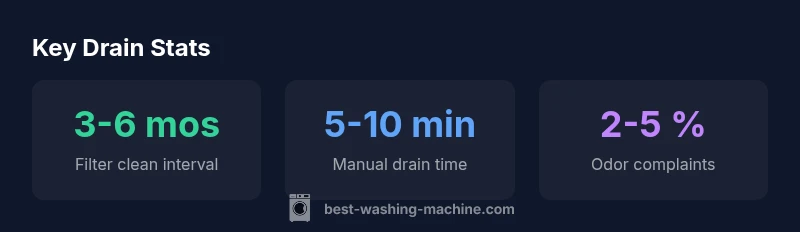
How often to drain washing machine depends on usage and model; typical maintenance involves checking and draining the drain hose or pump filter every 1-3 months, with a full filter clean every 3-6 months. For many households, a light quarterly drain check keeps odor away and prevents clogs. Understanding your machine's manual is essential, since some models include self-draining features.
Why how often to drain washing machine matters
In everyday laundry, the question how often to drain washing machine isn't about water waste; it's about hygiene, performance, and longevity. Most households expect their washer to remove water and rinse away detergents, but residual moisture can invite mold, mildew, and musty odors if drainage is neglected. Regularly addressing drainage helps prevent clogs, reduces strain on the pump, and minimizes the risk of unsightly puddles around the unit. When you think about maintenance, tie it back to how often to drain washing machine as a practical cadence—not a one-time event. A simple rule of thumb is to pair passive checks with an active clean, especially if you notice slower draining, unusual sounds, or visible debris in the pump filter. The exact frequency depends on usage, water hardness, the presence of a built-in self-clean cycle, and the model type. Always start with your user manual and then tailor your schedule to your family’s laundry rhythm. A steady cadence is more effective than sporadic tinkering and helps your Best Washing Machine stay reliable over years.
Understanding drainage paths in different washer designs
Drainage paths vary by design, and understanding them helps answer the question of how often to drain washing machine most effectively. Front-load washers typically rely on a high-efficiency pump that pushes used water through a drain hose and into the household sewer line. The pump filter, often accessible behind a small panel on the front, collects lint and debris and should be cleaned regularly to maintain smooth drainage. Top-load machines may use gravity-assisted draining with a slightly different pump configuration, and some older or commercial models have direct-drain options. Regardless of design, the goal is to keep the exit clear and the tub from retaining standing water after cycles. If your model includes a self-clean or tub-clean setting, it can automate part of this cadence. Always refer to the manual for model-specific intervals, because component layouts and access points differ by brand and series.
Maintenance schedule: monthly, quarterly, yearly
A practical cadence for drainage maintenance balances effort and risk. Monthly tasks are lightweight but impactful: inspect hoses for cracks, ensure clamps are tight, and run a short cleaning cycle if your manual recommends it. Quarterly checks should include a drain screen or pump filter clean and a visual inspection of the drain hose for kinks or blockages. Yearly or biannual deep maintenance should involve a more thorough service: clear the pump housing, inspect seals, and consider a professional check if you notice persistent odor, slow draining, or leakage. This schedule is designed to reduce the chance of clogs, odors, and water damage, while aligning with typical household laundering rhythms. Tailor it to your usage, water hardness, and whether your machine has an automatic self-clean feature.
How to actually drain: step-by-step guide
To perform a drain-related maintenance task, start by unplugging the machine and turning off the water supply. If there is standing water in the drum after a cycle, locate the drain pump filter or the drain hose. Place towels and have a bucket ready. Slowly unscrew the filter cap or loosen the hose connection to release water, taking care to control splashes. After the water is drained, reassemble parts securely and run a cleaning cycle with the machine empty. If you notice any stubborn debris or a persistent odor after draining, repeat the filter clean and verify the drain hose is free of obstructions. Safety first: never work on a live machine with power connected, and consult the manual for your model’s exact steps.
Filters, pumps, and hoses: what to check during drainage
During drainage, pay attention to the pump filter, drain screen, and the hoses themselves. The pump filter captures lint and debris that can otherwise clog the pump and slow drainage. Remove and rinse the filter under running water, using a soft brush if needed. Inspect the drain hose for kinks, obstructions, or crushed sections that would impede flow. Check hose clamps and connections to ensure a watertight seal. If the model has a secondary filter or a clean-out port, clean it according to the manual. Regular attention to these parts reduces the risk of clogs and improves overall drainage performance.
Model-specific notes: front-load vs top-load drainage considerations
Front-load washers typically use a sump-style drain connected to a pump. They are more prone to mold and odor if not regularly maintained because of residual moisture in the door seal and tub. Top-load models may simplify drainage access, but can still accumulate debris in the pump area. For both types, stay on top of filter cleaning and pipe inspections to ensure consistent drainage. If your model includes a self-cleaning feature or a purge cycle, use it as part of your cadence. Always adapt the maintenance plan to your specific model’s design and the manufacturer’s recommendations.
Troubleshooting common drainage problems
Common drainage problems include standing water after a cycle, slow draining, and unusual noises from the pump. Start by inspecting the drain hose for kinks, checking the pump filter for clogs, and ensuring the door seal or tub is free of obstructions. If water remains after scrubbing the filter and hose, there may be an issue with the pump or a blocked vent; consult a professional if you cannot resolve it with DIY steps. Odor is often a sign of mold growth in the drum or filter; running a cleaning cycle and performing a thorough filter clean can mitigate this.
Practical checklists and a sample schedule
Use a simple checklist to stay on track: (1) monthly: inspect hoses and run a cleaning cycle, (2) quarterly: clean filter/pump and check for leaks, (3) yearly: full service or professional inspection if you notice slow draining or odors. A sample schedule can help you visualize cadence: Month 1 — quick drain hose and filter check; Month 3 — filter/pump clean; Month 6 — deep tub cleaning; Month 12 — professional inspection. Keep a log of dates and findings to adapt the cadence to your laundry volume, water quality, and machine model.
Quick-reference maintenance schedule: when to drain
- Monthly: inspect drain components, run a cleansing cycle, check hoses.
- Quarterly: drain pump filter clean, inspect clamps and seals.
- Biannual/annual: deep maintenance or professional service if needed.
- If you notice odor, slow draining, or standing water, perform checks earlier and consider increasing frequency temporarily.
Final notes on how often to drain washing machine
The cadence you choose should be guided by your model, usage, and water quality. A conservative baseline—monthly quick checks and quarterly filter maintenance—helps prevent odors and clogs. If your manual recommends automated self-cleaning, use it as part of your routine, but do not skip manual checks for extended periods. By combining model-specific guidance with regular drainage maintenance, you can extend the life of your washing machine and keep laundry day running smoothly.
Maintenance drain schedule for common washers
| Action | Recommended Interval | Notes |
|---|---|---|
| Drain hose check | Every 1-3 months | Inspect for clogs and kinks; clear as needed |
| Filter/pump cleaning | Every 3-6 months | Remove debris and bacteria buildup; run a cleaning cycle |
| Standing water after cycles | As needed | Investigate drain pump, hoses, or inlet valve issues |
| Manual drain after long idle | Quarterly | If you store washer, drain residual water from tub |
FAQ
How often should I drain the washing machine's filter?
Most machines benefit from cleaning the filter every 3-6 months, depending on usage and water quality. Some models have automatic self-cleaning features; always consult the manual.
Most washers need a filter clean every few months; check the manual for your model.
Is it necessary to drain the tub after every wash?
Not typically required; drain water occurs automatically, but you should run a cleaning cycle and remove standing water if present.
No, you don't need to drain after every wash unless there's standing water.
What signs indicate I should drain or inspect the drain pump?
Odor, slow drainage, or visible standing water indicate you may have a clogged drain pump or hose.
If you notice bad smells or water sitting, inspect the drain pump.
Do HE washers require different drain frequency?
HE washers still benefit from periodic filter checks; frequency depends on usage and model.
Yes, follow the manual; but filters still need cleaning every few months.
Can I drain a washing machine myself safely?
Yes, with the machine unplugged; follow model instructions and avoid electrical hazards.
Unplug first, then follow the manual to drain safely.
What about standing water after storage?
Drain residual water before long storage; this prevents mold and odors.
Drain water before storing the unit.
“Regular drainage and filter maintenance are simple habits that prevent clogs, odors, and unnecessary wear, extending your washer's life.”
The Essentials
- Check drain components regularly according to your model.
- Clean filters every 3-6 months to prevent clogs.
- Address standing water or odor immediately with a pump check.
- Record maintenance dates to build a personalized schedule.
- Use self-draining features if your machine supports them.