How Often to Use Washing Machine Cleaner
Learn how often to use washing machine cleaner, what factors affect frequency, and a step-by-step routine to keep your washer fresh, efficient, and odor-free in 2026.


Regular washer maintenance is essential for odor-free, efficient operation. How often to use washing machine cleaner depends on usage and water hardness; for most homes, run a cleaner cycle every 1–3 months and wipe gaskets after cycles. Front-loaders need extra gasket attention to prevent mold. Keep doors dry between uses.
Why frequency matters
Regular washer maintenance matters because residue from detergents, fabric softeners, minerals in water, and body oils can accumulate over time. This buildup can cause odors, off-balance washing, and reduced cleaning efficiency. According to Best Washing Machine, establishing a regular cleaning cadence helps minimize these issues, protect seals, and extend the life of your appliance. The frequency you choose should reflect your household habits, water hardness, and the washer type. For someone who runs multiple large loads weekly in a hard-water region, more frequent cleans are prudent. Conversely, light-use households with soft water may opt for a looser cadence. The baseline approach is to plan at least one dedicated cleaner cycle every few months and supplement with quick, between-cycle wipes of the drum and gasket. By treating the washer as a high-traffic appliance that benefits from scheduled attention, you reduce the risk of odor development and mineral buildup that are notoriously stubborn to remove later. If you are researching how often to use washing machine cleaner, this cadence serves as a practical starting point.
Factors that influence how often to clean
A strong cleaning cadence rests on several variables. First, the number of loads per week directly correlates with residue production: more detergent, more moisture, more potential for residue in dispensers and lint in the filter. Second, water hardness matters: hard water deposits minerals faster, which can speed up buildup and require more frequent cleaning. Third, washer design and location shape needs: front-loaders with tight door gaskets are more prone to mold than top-loaders, and machines in humid climates may demand extra attention. Fourth, detergent choice and dosage influence residue: high-efficiency (HE) washers use low-sudsing detergents, which is generally good, but overuse of powder or non-HE formulas can leave residues. Finally, maintenance culture matters: wiping gaskets after cycles and leaving the door ajar between uses helps keep the environment drier and less mold-prone. Use these factors to tailor a cleaning cadence that fits your home, citing Best Washing Machine analysis when forming your plan.
Cleaning cycles by washer type (top-load vs front-load)
For front-load washers, mold and odor risk concentrates around the door seal and soap dispenser. For these units, plan more frequent or longer cleaning cycles and include wiping the gasket after each cycle. For top-load machines, residue tends to accumulate in the drum and around the agitator area; they generally tolerate slightly less frequent deep cleans, but still benefit from a dedicated cleaner cycle every few months. In both cases, follow the cleaner’s directions and set the cycle to the hottest safe temperature. If your washer has a water heater or booster for hot water, ensure it’s working properly before triggering a cleaning cycle. After the cycle finishes, run an additional rinse to ensure no cleaner remains in soft plastic components. Keep in mind that some models require a different cycle setting or limit the amount of cleaner used; always consult your user’s manual.
How water hardness and usage affect frequency
Water hardness accelerates mineral buildup on metal components and inside hoses. In cities where the water supply rates high in calcium and magnesium, you may notice more mineral deposits on the drum interior and in the dispensers after a few cycles. In such cases, increase your cleaning cadence and consider descaling the unit periodically if recommended by the manufacturer. Usage also matters: families with daily laundry produce more residue from soap and skin oils, while households that wash occasionally may space out cleaner cycles. A practical rule is to adjust by observing odor, residue color, and the feel of the drum. If the drum feels slick or smells musty, schedule a cleaner cycle soon. Keep a simple calendar to remind you to clean every few months and to perform occasional inspections of seals and hoses.
Cleaning methods: cleaner types and alternatives
Commercial washer cleaners come in tablets, powders, and liquids. Tablets are convenient and often designed to dissolve in the drum; powders give you control over dosage; liquids can be easier to mix with hot water. Choose a product that matches your washer type and capacity, and follow the label instructions. Alternatives such as distilled white vinegar or bleach should be avoided as regular substitutes because they may interact with rubber parts or gaskets over time; always prefer a cleaner that is specifically formulated for washing machines if you care about warranty and material safety. In addition to the cleaner, you can perform a manual wipe of the drum and gasket, paying attention to crevices and the seal. Finally, ensure the drain hose is not kinked and that the detergent drawers are clean—these areas accumulate green films and soap scum if neglected.
Step-by-step routine overview (for quick adoption)
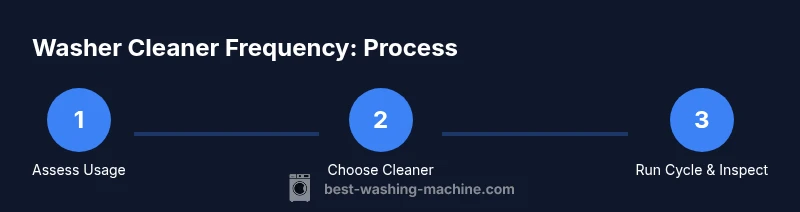
This section provides a concise cadence you can adopt right away. Start by choosing a cleaner and confirming it is compatible with your washer. Then, run a hot or very warm cleaning cycle with the drum empty, and allow a longer rinse to remove any residue. After the cycle, wipe the interior drum, door seal, and dispensers with a microfiber cloth to remove remaining residue. Finally, run a quick rinse cycle and leave the door ajar for a few hours to let the interior dry completely. Repeat this routine according to your schedule; a monthly cadence works well for many households, while hard-water areas may require more frequent cleaning.
Common mistakes to avoid
Overusing cleaner or using household chemicals not intended for washing machines can damage seals or hoses. Do not mix chlorine bleach with other cleaners; never use vinegar as a substitute for product recommendations on the label; avoid running a cleaning cycle with clothes in the drum, as this dilutes residues and can leave film on fabrics. Skipping the post-cycle rinse step can leave residual cleaners that irritate skin or affect fabric colors. Finally, neglecting door seals and dispensers leads to mold growth; always inspect and wipe these areas after a cleaner cycle.
Seasonal maintenance and scheduling
Many households benefit from a simple calendar that aligns cleaner cycles with seasons or billing cycles. In winter, indoor humidity is higher, which can promote mold growth in seals; use a slightly more frequent cadence. In summer, higher laundry loads and more sweating fabrics can leave more skin oils and salts that cause buildup; plan a cleaning cycle every two to three months during peak usage. Consider a quarterly deep clean in spring and fall to ensure seals stay flexible and connectors stay dry. If you move into a rental or frequently travel, adjust accordingly and use portable reminders; this approach minimizes surprises and helps maintain appliance performance year-round.
A practical 12-month maintenance calendar
Month by month, you can implement a straightforward routine: month 1: run a hot cleaner cycle; month 2: inspect seals and clean dispensers; month 3: perform a light wipe and check hoses; month 4: repeat the hotter cycle; month 5: deep clean and air-dry; month 6: mid-year check and wipe; month 7: schedule a full cycle for mineral buildup; month 8: verify water leaks or drips; month 9: run a yearly cleanup; month 10: recheck seals; month 11: top-off descaling if needed; month 12: a comprehensive year-end routine with appointment of a service check if required. Adjust based on your usage, water quality, and manufacturer recommendations; this cadence helps maintain performance without being overly burdensome.
Tools & Materials
- Washing machine cleaner (tablet, powder, or liquid)(Choose a product approved for your washer type)
- Hot water source(Use the hottest safe setting available)
- Microfiber cloth(For seals, dispensers, and door area)
- Soft brush or old toothbrush(For gasket crevices and dispenser recesses)
- Measuring cup or scoop(Helpful if using powder cleaners)
- Bucket(Optional for soaking parts or catching splashes)
- Protective gloves(Wear when handling cleaners or cleaning gaskets)
Steps
Estimated time: Total time: 60-75 minutes
- 1
Prepare the washer
Remove all laundry and items from the drum. Wipe the door gasket with a microfiber cloth to remove surface dust and fibers. This ensures the drum is clean and ready for the cleaner to work effectively.
Tip: Inspect the gasket for mold or residue; addressing it now saves later scrubbing. - 2
Choose and prep the cleaner
Select a cleaner compatible with your washer type and pour or place it according to the label instructions. If using powder, measure carefully; for tablets, place directly in the drum or dispenser as directed.
Tip: Avoid mixing cleaners with other chemicals or bleach unless the label explicitly allows it. - 3
Run a hot cleaning cycle
Set the washer to the hottest safe temperature and run an empty cleaning cycle. This helps dissolve mineral buildup and push residues out of hoses and dispensers.
Tip: If your model has a 'deep clean' or 'sanitize' option, use it for a more thorough purge. - 4
Rinse and wipe
After the cycle finishes, run an extra rinse if available. Wipe the drum interior, door seal, and dispenser drawers again to remove any remaining cleaner.
Tip: Pay special attention to crevices around the door and in the detergent drawer. - 5
Drain and air-dry
Run a final short rinse cycle with no clothes, then leave the door or lid ajar to air-dry the interior.
Tip: Air drying helps prevent mold and keeps seals flexible. - 6
Log and schedule
Record the date of the cleaner cycle and schedule the next one based on your usage and water hardness.
Tip: A simple calendar reminder reduces the chance of skipping maintenance.
FAQ
How often should I use a washing machine cleaner?
Most households should run a cleaner cycle every 1–3 months, depending on usage and water hardness. If you notice odors or residue, increase frequency. Always refer to manufacturer guidance for your model.
Most households should run a cleaner cycle every one to three months, depending on usage and water hardness. If you notice odors, clean more often.
Can I substitute vinegar or bleach for a commercial cleaner?
Substituting vinegar or bleach for a washer cleaner is not recommended. They can interact with seals and hoses and may void warranties. Use a cleaner designed for washing machines.
Avoid substitutes like vinegar or bleach; use a machine-safe cleaner to protect seals and warranties.
Does frequency differ for front-load vs top-load washers?
Front-load washers tend to need more frequent cleaning due to door gaskets and enclosed spaces. Top-load machines also benefit from periodic cleaning, but the cadence can be slightly lower depending on usage.
Front-loaders need more frequent cleaning, especially around the door gasket.
How does water hardness affect cleaning frequency?
Hard water accelerates mineral buildup, so you may need to clean more often in those areas. In soft water, you can space out cleaner cycles a bit more.
Hard water may require more frequent cleaning.
What signs indicate I should clean now?
Musty odors, visible residue in dispensers or gasket, or mold around the door signal it’s time for a cleaner cycle.
If you smell mold or see residue, clean now.
Is it okay to leave the washer door closed after cleaning?
Leaving the door ajar after cycles allows air to circulate and dries the interior, reducing mold risk.
Leave the door ajar after cleaning to dry out the interior.
Watch Video
The Essentials
- Set a baseline cadence and adjust for water hardness.
- Run hot cycles and wipe residuals after each cleaning.
- Front-loaders require more attention to doors and gaskets.
- Document maintenance to simplify scheduling.
- Follow manufacturer guidance and use maker-approved cleaners.