How to Clean Front Load Washing Machine Rubber Seal
Learn a safe, effective method to clean the rubber seal on front-load washers, remove mold and odors, and extend appliance life with simple, household-friendly steps.


You will learn how to safely clean the rubber seal on a front-load washing machine, remove mold, mildew, and detergent buildup, and protect against odors. This guide uses common household items, simple steps, and a quick maintenance routine to keep the seal in top condition and extend washer life. It also covers safety tips, when to seek service, and how often you should perform the cleaning.
Why Cleaning the Rubber Seal Matters
The rubber gasket around a front-loading washing machine forms a water-tight seal, but it also collects soap residue, lint, hair, and moisture. Over time, standing water creates a breeding ground for mold and mildew, which can lead to musty odors and visible mold spots on the seal and drum area. Regular cleaning helps prevent odor transfer to clothes and reduces the risk of material degradation from trapped detergents and mineral deposits. It’s common to confuse dirt with mold; mold typically appears as black, gray, or green in the folds, while soap scum looks white or gray and sticks to damp surfaces. Both issues are easier to manage when you address them early. In addition, a clean seal improves the overall efficiency of the washer by reducing friction and making it easier for the door to seal properly after loads. This section explains why a simple routine pays off in long-term maintenance and air quality for your laundry space.
What You Need Before You Start
Before you reach for cleaners, gather safe, non-abrasive tools to protect the seal and your hands. A spray bottle with plain water or a mild cleaning solution keeps the folds damp without soaking sensitive components. Use a soft sponge or microfiber cloth to wipe the gasket interior, and an old toothbrush or small brush to reach tight crevices. Have a clean, dry towel ready to dry the seal and remove moisture that can promote mold. If you prefer natural cleaners, white vinegar paired with water is effective for disinfection and deodorizing, while baking soda can help lift residues without harsh chemicals. Avoid bleach or caustic cleaners on rubber, as repeated exposure can dry, crack, or weaken the seal. Finally, ensure you have access to the power outlet and that the washer is unplugged during the cleaning process. You might also want to consult your model’s user manual for any seal-specific cautions.
Common Seal Problems and How to Spot Them
Even a well-maintained front-load washer can show warning signs at the gasket. Look for persistent musty odors that return after cleaning, dark patches that don’t disappear with routine wiping, and visible gaps in the seal where the door lip doesn’t catch properly. Detected debris trapped in the folds and drain hole can also impede drainage and let water stagnate. If you repeatedly notice moisture on the outside of the door or under the hinge area, you may have an improper seal or a minor leak that should be checked by a professional. In rare cases, the seal begins to crack or peel—this indicates aging and should trigger a replacement rather than continued cleaning.
Inspection and Prep: Safety First
Turn off the washer and unplug it from the wall outlet. If your model has a water supply connected, you can close the shut-off valve temporarily to minimize leaks; otherwise, leave valves as they are and focus on the gasket area. Remove any standing water with towels so there’s no risk of splashing into electrical components. Gently pull back the outer lip to reveal the folds where dirt hides. Inspect behind the seal for hidden grime or small mold colonies, and note any signs of cracking, tearing, or stiffness. If you find damage, stop cleaning and consult the manufacturer’s guidelines or a service technician.
Maintenance Schedule and Quick Daily Habits
Create a simple maintenance rhythm that fits your laundry routine. After each load, wipe the gasket with a damp cloth to remove moisture and residue. Every 4-6 weeks (adjust for hard water), do a deeper clean following the steps in this guide and optionally run a hot water cycle with vinegar. Keep the door slightly ajar when the washer isn’t in use to promote air circulation and minimize dampness. If your laundry area is humid, consider a small dehumidifier or a vent fan near the laundry closet. Document results for two months and adjust frequency based on odor presence.
Troubleshooting After Cleaning: Odors Persist?
Sometimes odors return despite cleaning. Common culprits include hard-water mineral buildup in the seal folds, residue from heavily perfumed detergents, or hidden mold behind inaccessible portions of the seal. Start with a thorough dry-off and spot clean, then consider a stronger vinegar solution (one part vinegar to three parts water) and a second pass with baking soda. If odors persist after two rounds of cleaning and a service cycle, it’s advisable to check for leaks or call a technician, as persistent odor can indicate a more serious issue such as a degraded gasket or drainage problem.
Tools & Materials
- Spray bottle(Fill with warm water or vinegar-water solution (1:3) for deep cleaning.)
- Soft sponge or microfiber cloth(Non-abrasive to avoid damaging the seal.)
- Old toothbrush or small brush(Needed for scrubbing folds and crevices.)
- White vinegar(Deodorizes and helps disinfect; do not mix with bleach.)
- Baking soda(Deodorizes and assists in lifting residues.)
- Mild dish soap or all-purpose cleaner(Avoid bleach on rubber seals.)
- Towels or dry rags(Dry the seal thoroughly after cleaning.)
- Gloves (optional)(Protect hands if you have sensitive skin.)
- Flashlight (optional)(Helps inspect tight folds and behind the seal.)
Steps
Estimated time: 25-35 minutes
- 1
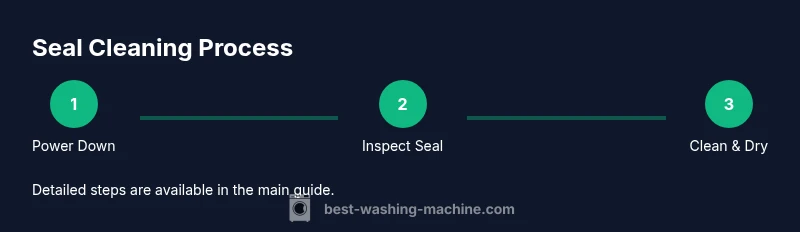
Power down and unplug the washer
For safety, unplug the machine from the wall outlet before touching the gasket. If accessible, shut off the water valves to minimize leaks. Move clothes out of the drum and keep towels nearby to catch spills.
Tip: Verify the outlet is unplugged by attempting to operate a basic control panel button. - 2
Open the seal and inspect for dirt
Carefully rotate the door to access the rubber seal. Gently pull back the outer lip and peek into folds for mold, soap scum, and debris. Note any cracks or tears in the seal.
Tip: Use a flashlight to spot hidden grime in tight crevices. - 3
Prepare your cleaning solution
Mix a mild soap solution with warm water or use a vinegar-water mix (1:3). Do not mix chlorine bleach with other cleaners, which can release hazardous gases.
Tip: Label bottles and never mix cleaners directly in the spray bottle. - 4
Scrub the gasket interior
Spray the solution into folds and scrub with a soft brush or toothbrush, focusing on crevices and the drain hole. Wipe away loosened residue with a microfiber cloth.
Tip: Work from the outer edge toward the center to push debris outward rather than inward. - 5
Rinse and dry the seal
Rinse the gasket with clean water, then wipe dry with a clean towel. Leave the door slightly ajar to promote thorough air-drying and prevent moisture buildup.
Tip: Thorough drying is crucial to prevent regrowth of mold and odors. - 6
Optional flush or cleaning cycle
If your model supports it, run an empty hot-water cycle with a cup of white vinegar or a dedicated washer cleaner to flush residuals from the drum and hoses.
Tip: Check your manual; some cleaners can affect silicone seals differently.
FAQ
Is it safe to use bleach on the rubber seal?
Bleach can damage rubber and release fumes; safer alternatives are vinegar-water or mild soap.
Bleach can harm the seal and create fumes—use vinegar solution or mild soap instead.
How often should I clean the rubber seal?
Clean the seal every 1-2 months or whenever you notice odor, adjusting for water hardness.
Every one to two months, or when you notice odors.
Should I remove the seal to clean behind it?
Some models allow gentle lifting of the seal; never force it and always refer to the user manual.
Only remove the seal if your model explicitly allows it; don’t force it.
What are signs of a damaged seal?
Cracks, tears, or hardening indicate replacement is needed rather than continued cleaning.
Cracks or tears mean you should replace the seal rather than keep cleaning.
Can I run a cleaning cycle to treat odors?
Yes, many washers have a cleaning cycle or you can run an empty hot wash with vinegar; consult the manual.
Run a cleaning cycle or an empty hot wash with vinegar.
Watch Video
The Essentials
- Inspect seal for dirt and damage before cleaning
- Use gentle cleaners and avoid bleach on rubber
- Dry thoroughly after cleaning to prevent mold growth
- Incorporate a monthly or quarterly seal check into laundry routines