How to Clean Washing Machine Without Affresh
Learn safe, effective methods to clean your washing machine without Affresh using common household ingredients. Step-by-step guidance, real-world tips, and maintenance routines for front-load and top-load machines.


You can clean a washing machine without Affresh by using household staples like white vinegar, baking soda, and hot water. This guide shows a step-by-step clean, deep-cycle maintenance, and safety tips to remove odors and deposits without commercial pills.
Why Regular Cleaning Matters
Regular cleaning helps extend the life of your washer, prevent odor buildup, and keep clothes fresh. If you’re looking for information on how to clean washing machine without affresh, you’ll find practical alternatives that rely on common household ingredients rather than commercial tablets. A clean machine reduces mineral deposits, soap scum, and biofilm that can transfer to laundry. According to Best Washing Machine, a routine cleaning schedule—monthly or at least every couple of months—can dramatically reduce odor and residue. Start by inspecting hoses and door seals for mold and leaks, because prevention is part of the cleaning discipline. In this guide, we’ll walk through safe methods that work with most residential machines, including front-load and top-load styles, and explain why some approaches work better in different climates. These methods use non-toxic ingredients and avoid harsh solvents, making them safer for households with children or pets. Before you begin, confirm your machine’s manual guidance; some models prefer warmer water only on certain cycles. By understanding the why behind the technique, you'll gain confidence to complete future cleanings with less effort.
The Science Behind Cleaning Deposits
Washing machines accumulate mineral deposits, mineral buildup, soap scum, and biofilm. Over time, these deposits trap odors and can transfer residue to fabrics. The science is simple: warm water loosens fats and residues; vinegar dissolves mineral scale; baking soda acts as a mild abrasive and deodorizer; and rinsing with clean water flushes contaminants away. The Best Washing Machine analysis suggests that addressing the root causes—moisture retention and soap scum formation—reduces recurring odors. In addition to chemical cleaners, consider mechanical action: manual scrubbing of seals and dispensers, and allowing the door to dry between uses. A thorough rinse removes loosened particles, preventing them from redepositing during subsequent cycles. Always check for mold in gaskets and hoses, as damp spaces invite microbial growth, especially in humid climates.
Quick-Prep: Gather Safe, Common Ingredients
Before you begin, assemble safe, common ingredients and basic tools. This prep minimizes mid-cleaning sprints and helps you stay organized. Key items include:
- White vinegar (5-8% acidity) for the hot cleaning cycle; - Baking soda to deodorize and scrub; - Citric acid (optional) to tackle mineral deposits more aggressively; - A microfiber cloth and an old toothbrush for scrubbing; - Access to hot water and a clean drain; - A measuring cup to ensure consistent amounts. Keep these supplies accessible near the washer. Using household staples keeps the process affordable and reduces chemical exposure for households with children or pets. If you have a front-loader, plan extra time to wipe the door glass and gasket after the cycle to prevent buildup.
Selecting the Right Cycle and Settings
Not all cycles are created equal when cleaning without Affresh. Set the machine to a hot or warm water cycle, with the longest duration available, and run without detergent. For front-loaders, enable an extra rinse to flush residues from the door seal and drum. If your model supports a steam clean option, you can use it sparingly to aid mineral dissolution, but only if the manual confirms compatibility. Ensure the load is not overloaded to allow water and cleaning agents to circulate fully. After the cycle, inspect the drum for remaining residue and wipe with a microfiber cloth.
How to Use Vinegar and Baking Soda Effectively
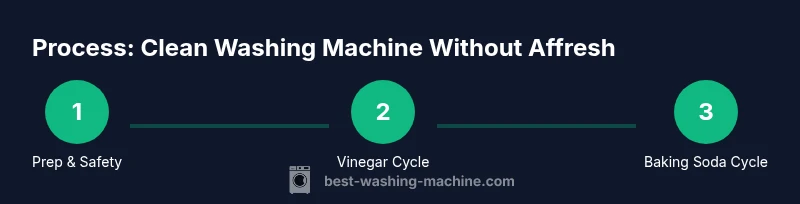
Vinegar and baking soda work best when used in separate phases. Start with a hot water cycle filled with vinegar to dissolve grime and mineral scale. Then run a second cycle using baking soda to neutralize odors and polish internal surfaces. Do not mix vinegar and baking soda together in the same cycle, as the fizzing reaction can reduce cleaning effectiveness and create excess suds. If your machine has an insertable cleaning tub or filter, rinse it thoroughly after each use. For best results, perform this combined method monthly or as needed based on usage and water hardness.
Safety, Odors, and Rinse Techniques
Always unplug the machine before cleaning and follow the manufacturer’s safety instructions. Use gloves if you have sensitive skin and avoid inhaling steam in poorly ventilated spaces. Odors often indicate biofilm; a thorough rinse cycle with clean water helps remove remaining residues. After cleaning, leave the door or lid ajar to promote air drying and prevent musty smells. If odors persist, run an extra rinse cycle or repeat the vinegar step after several weeks. Ensure the drain hose is properly positioned to prevent backflow during cycles.
Common Mistakes and How to Avoid Them
Skipping the rinse can leave residues behind; always run at least one complete rinse after the cleaning cycle. Using undiluted vinegar in heavy loads may lead to lingering scent; dilute properly and follow with baking soda if needed. Overloading the drum reduces cleaning effectiveness and can strain the pump. Using soaps or detergents during the cleaning cycle defeats the purpose by reintroducing residues. Avoid mixing acids with bleach or ammonia; this can release dangerous gases. Finally, never ignore mold growth in gaskets—clean those areas as part of routine maintenance.
Maintenance Habits to Keep It Clean
Create a simple maintenance plan to prevent future deposits. Run a monthly cleaning cycle using vinegar or citric acid and baking soda, adjust frequency based on water hardness and usage. Wipe the door seal and dispenser compartments weekly. Leave the door ajar after cycles to ensure complete drying. Use only the recommended detergent amount and switch to high-efficiency detergents if needed. Consider installing a monthly reminder on your calendar.
Troubleshooting Common Issues
If you notice not draining after a cleaning cycle, inspect the drain hose for kinks or clogs, and check the pump filter if your model has one. A persistent odor after cleaning may indicate hidden mold in the gasket; wipe with a mild solution, then rinse thoroughly. If the machine still has mineral buildup after a vinegar cycle, repeat with citric acid following the manufacturer’s directions. Always consult the user manual for cycle compatibility before applying new cleaners.
Myths vs. Realities: Debunking Cleaning Myths
Myths about cleaning machines abound. For example, some people believe only commercial tablets can sanitize; in reality, vinegar and baking soda can effectively remove odors and residues when used correctly. Another myth is that hot water alone is enough; while heat helps, mechanical scrubbing and flushing residues are essential. The idea that cleaning will damage seals is largely unfounded when you follow manufacturer guidelines and avoid aggressive chemicals. Realities include that routine maintenance with safe ingredients is kinder to the environment and often easier on your budget.
Environmental Impact and Green Benefits
Cleaning without Affresh aligns with green living. Vinegar and baking soda are widely available non-toxic cleaners with minimal environmental impact. By avoiding disposable cleaning tablets, you reduce plastic waste and avoid potential chemical runoff. Proper rinsing minimizes water waste because you can determine the exact number of cycles needed for a given load. For those concerned about water and energy use, combine this practice with energy-efficient wash settings and load optimization.
Tools & Materials
- White vinegar (5-8% acidity)(Use in the hot cleaning cycle; typical amount is a cup or two.)
- Baking soda(Deodorizes and scrubs; have ready for the second phase.)
- Citric acid (optional)(Dissolves mineral deposits; use 1-2 tablespoons if your load is very mineral-rich.)
- Microfiber cloth(For wiping drum, gaskets, and dispensers.)
- Old toothbrush(Gently scrub gaskets and crevices.)
- Access to hot water(Ensure hot water supply is available; some models require water inlet temperature.)
Steps
Estimated time: 45-60 minutes
- 1
Safety check and prep
Unplug the washer and confirm the area around the machine is clear. Gather your cleaning supplies, read the user manual for any cycle restrictions, and ensure proper ventilation. This prepares you to work safely and efficiently.
Tip: Wear gloves if you have sensitive skin and keep kids/pets away during cleaning. - 2
Drain and wipe the gasket
If present, remove any visible debris from the door gasket and dry the area with a microfiber cloth. A clean gasket reduces mold risk and prepares the surface for the cleaning cycle.
Tip: Pay attention to folds where mold tends to hide; a soft toothbrush helps reach tight spots. - 3
Run the vinegar cycle
Pour vinegar into the detergent dispenser or directly into the drum and run a hot water cycle without detergent. Vinegar helps dissolve mineral deposits and loosens grime from the drum and hoses.
Tip: Use a long cycle to maximize contact time with interior surfaces. - 4
Follow with a baking soda cycle
After the vinegar cycle completes, run another hot cycle using baking soda to deodorize and polish inner surfaces. This two-step approach minimizes residue and odor.
Tip: Avoid mixing vinegar and baking soda in the same cycle to prevent fizzing that could reduce effectiveness. - 5
Rinse and inspect
Run a final rinse cycle with clean water. Check for any remaining residues and wipe the drum and dispensers dry. Inspect hoses for any kinks or leaks that could undermine cleaning.
Tip: If you notice persistent residue, repeat the vinegar or citric acid step according to the manual. - 6
Dry out and air circulation
After the final rinse, leave the door ajar to promote drying. This helps prevent musty odors and discourages mold growth in damp spaces.
Tip: Consider a quick wipe-down of the seal after each use to keep buildup minimal. - 7
Schedule ongoing maintenance
Set a monthly or bimonthly reminder to repeat a cleaning routine and perform quick weekly wipe-downs of seals and dispensers. Regular habits reduce buildup and keep machines running efficiently.
Tip: Adjust frequency based on water hardness and usage to maintain optimal performance.
FAQ
Is it safe to use vinegar in a washing machine?
Yes, vinegar can be safe when used in appropriate amounts and diluted. Do not mix vinegar with bleach or ammonia. Always follow your model’s manual.
Yes, vinegar is safe when used properly and never mixed with bleach or ammonia.
How often should I clean my washing machine without Affresh?
A general guideline is to clean monthly or every 1-2 months depending on water hardness, usage, and odor presence.
Clean about once a month or every few uses if you notice odors.
Can I use baking soda every cycle?
No. Baking soda is best used in targeted cleaning cycles or as needed to deodorize, not every cycle.
No, use baking soda periodically, not every cycle.
Will cleaning damage seals or hoses?
When used as directed and not mixed with harsh chemicals, cleaning with vinegar and baking soda is generally safe for most seals and hoses.
Used properly, it won’t damage seals or hoses.
What if I have mold behind the door gasket?
Wipe the gasket with a mild solution and scrub gently with a brush, then rinse and dry thoroughly. Repeat as needed.
Wipe and scrub the gasket, then rinse well.
Should I always run a hot water cycle for cleaning?
Hot water aids cleaning, but always confirm cycle compatibility in the owner’s manual before proceeding.
Hot water helps, but check your manual first.
Watch Video
The Essentials
- Start with a safe prep and gasket check.
- Use vinegar and baking soda in separate cycles for best results.
- Rinse thoroughly and dry to prevent odor and mold growth.
- Maintain a simple monthly schedule to avoid buildup.
- Always follow manufacturer guidance and avoid mixing cleaners.