How to Get Rid of Washing Machine Smell in a Top Loader
Learn proven methods to remove and prevent smells from top-loading washing machines. This in-depth guide covers odor causes, step-by-step cleaning routines, maintenance habits, and practical gear to keep your washer fresh.


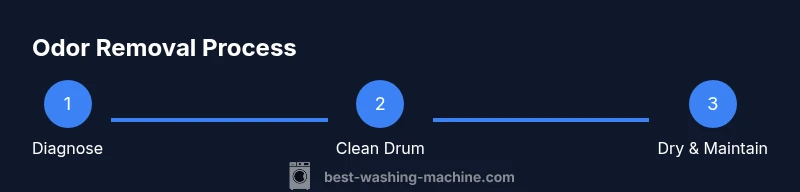
To get rid of washing machine odor in a top loader, start with a quick diagnostic to identify mold, soap scum, or mildew buildup. Then perform a deep-clean of the drum, door seal, and detergent dispensers using hot water and an approved cleaner (or vinegar and baking soda). Finish with a simple maintenance routine to prevent recurrence.
Understanding the odor problem in top-loading washers
Smells in top-loading washers usually stem from mildew in the rubber door gasket, trapped water in the drum, and residue buildup in detergent dispensers. Soap, body oils, and fabric softeners can accumulate in small crevices where water lingers, creating a musty odor that circulates with each load. Different models respond differently to cleaning agents, especially high-efficiency (HE) machines that use less water but can trap more residue. Recognizing these sources will guide your cleaning approach and help you choose appropriate products without damaging seals or plastics. Regularly inspecting the door boot, keeping the lid ajar after cycles, and avoiding excessive detergent can dramatically cut odor formation over time.
Quick diagnostics you can do before cleaning
Before you start scrubbing, perform a quick check to pinpoint where the odor originates. Run an empty hot-water cycle and observe whether the smell worsens, improves, or stays the same after the drum fills. Inspect the door seal for mold pockets or moisture that collects in folds. Look at the detergent dispenser and fabric softener compartments for residue or clumps. If you notice water pooling in the tub after cycles, this may indicate drainage issues, which can amplify odors. Noting the strongest smell areas will help you tailor your cleaning steps and avoid unnecessary work.
How detergents and residue contribute to smells
Soap residue and fabric softeners can leave a film that harbors bacteria and mildew, especially in tight crevices and around the agitator. Powder detergents often leave more residue than liquids if not fully dissolved, creating a musty environment over time. Dispensing compartments can trap dried detergent, releasing a sour scent when heated. Choosing the right detergent type and using the minimal effective amount helps prevent buildup. If your water is hard, mineral deposits combine with detergent to form crusts that become breeding grounds for odors, so consider water-softening options if odors persist.
Deep cleaning routines that actually remove odors
A proven approach combines heat, vinegar, and baking soda to break down organic residues. Start with a hot wash cycle (as hot as your machine allows) and add a cup of white vinegar to the drum. After the cycle finishes, run another hot cycle with a half-cup of baking soda. This two-step cleaning helps dissolve soap scum and neutralize lingering bacteria. For tougher odors, pause the cycle to let the mixture sit in the drum for 15 minutes, then resume. Always follow with an extra rinse to remove any remaining cleaners.
Manual cleaning: tub, gasket, and dispenser areas
Manual attention to the tub, gasket, and dispensers yields noticeable odor relief. Wipe the rubber door seal with a cloth dampened in a mild cleaner, and use an old toothbrush to dislodge mold from folds. Remove and rinse the dispenser drawers, soaking them in warm water with a little dish soap. Inspect the tub interior for scale or residue and scrub with a non-abrasive pad. Dry all parts thoroughly before reassembly to prevent immediate re-mildewing.
Using natural cleaning agents vs. chemical cleaners
Vinegar and baking soda are popular natural cleaners that deodorize effectively and are gentle on seals when used correctly. Hydrogen peroxide can be a stronger disinfectant for stubborn spots but should be used sparingly and never mixed with vinegar. Commercial washing machine cleaners are formulated for metal and plastic parts and can be convenient for busy households. Always check your model’s manual for any compatibility warnings before applying cleaners, especially around the gasket and hoses.
Schedule and maintenance habits to prevent recurrence
Prevention beats a cure. Establish a monthly maintenance ritual that includes running a hot empty cycle with cleaner or vinegar, leaving the lid open briefly after cycles, and cleaning the detergent dispenser every 2-4 weeks. Use the recommended amount of detergent and avoid fabric softeners that leave oily residues. If you have a vented dryer or frequent high-humidity laundry spaces, consider a dehumidifier nearby to limit moisture around the washer, reducing mold growth.
When to run cleaning cycles with power user tips
Some washers offer a special cleaning cycle—use it if available, and pair it with a hot-water setting for maximum effectiveness. For extra odor control, alternate between vinegar-based and baking-soda-based routines every 4-6 weeks. If your model uses low water levels, you may need to run a longer cycle or pause mid-cycle to ensure cleaners reach all crevices. Always run an extra rinse to ensure no cleaner residue remains that could irritate skin during future washes.
Tips for different top-loader models and common parts
Top-loaders vary widely, from agitator-based to impeller designs. Pay attention to the door boot and gasket; many odors originate from water trapped in folds. Check the drain hose for kinks or obstructions that prevent complete draining, which can leave damp, foul-smelling residues behind. If you notice persistent odors around the agitator or tub, inspect internal seals for wear and consider replacement parts under warranty if available.
Troubleshooting persistent odors and replacement options
If odors persist after thorough cleaning, you may be dealing with deeper mold growth behind the drum or in the sump. In some cases, the odor stems from cracks or leaks allowing moisture to stagnate in hidden spaces. A professional inspection can confirm mold behind the tub, a compromised gasket, or a failing pump. Replacing worn seals or hoses can restore odor control and prolong the life of the unit.
Tools & Materials
- Rubber gloves(Protect hands from cleaners)
- White vinegar (5-8% acidity)(Deodorizing and disinfecting)
- Baking soda(Odor neutralization and gentle scrubbing)
- Liquid dish soap(General cleaning if needed)
- Toothbrush or small scrub brush(Scrub tight gaps and dispenser areas)
- Microfiber cloths(Wipe surfaces and gasket)
- Measuring cup(For precise cleaner measurements)
- Bucket or large bowl(Catch drips and hold cleaners)
- Spray bottle(Dilute cleaners for spraying)
- Screwdriver set(Access hoses or panels if needed)
- Non-abrasive scrub pad(Gently scrub stubborn spots)
- Dry towels or towels(Dry surfaces after cleaning)
Steps
Estimated time: 60-90 minutes
- 1
Prepare your cleaning setup
Gather all tools and cleaners in one place. Lay towels to catch drips, and ensure the area is well-ventilated. This minimizes mess and helps you stay organized as you work through the cleaning sequence.
Tip: Having everything at arm's reach saves time and reduces the chance of re-contaminating cleaned areas. - 2
Run a hot wash with vinegar
Pour a cup of white vinegar into the drum and run the hottest cycle your machine allows with no clothes. The high temperature, combined with vinegar, helps dissolve residue and kill lingering mildew. Do not add detergent for this particular cycle.
Tip: If your model uses a sealed drum, verify it can handle vinegar; otherwise use a commercial cleaner designed for your model. - 3
Add baking soda and soak
After the vinegar cycle completes, sprinkle baking soda into the drum and run another hot cycle. The baking soda absorbs odors and helps lift stubborn residues. Pause the cycle for 15 minutes if your machine allows, then resume to maximize contact time.
Tip: Do not mix baking soda with other cleaners during this step to avoid chemical reactions. - 4
Wipe the gasket and dispenser
Turn the door gasket inside out and scrub with a damp cloth and mild cleaner. Remove any visible mold, debris, or soap buildup with a toothbrush. Remove and clean the detergent and fabric-softener dispensers, rinsing them thoroughly before drying.
Tip: Make this a regular habit—quick checks after each cycle prevent buildup. - 5
Rinse and dry
Run a clean water-only rinse cycle to remove cleaner residues. Dry all surfaces with a clean towel, then leave the door or lid ajar to promote air drying. Adequate drying prevents new mold from forming between cycles.
Tip: Ventilate the room; moisture in the air can slow drying of rubber parts. - 6
Address stubborn spots with hydrogen peroxide
For persistent mold pockets, apply a small amount of hydrogen peroxide to the affected area and let it sit briefly before scrubbing. Rinse thoroughly. Avoid mixing hydrogen peroxide with vinegar in the same space.
Tip: Test a small spot first to ensure no discoloration on plastics. - 7
Deep clean the dispensers
Soak dispenser drawers in warm soapy water for 10-15 minutes, then scrub away residue. Rinse and dry completely before reinstalling. This prevents future soap buildup from contributing to odors.
Tip: Soaking makes it easier to remove baked-on residues. - 8
Monthly maintenance ritual
Set a reminder to perform a quick monthly clean: hot cycle with cleaner, wipe gasket, and check hoses and drain for clogs. Keeping to a schedule significantly reduces odor recurrence.
Tip: Pair this with a detergent audit—reduce amounts to minimize residue. - 9
Model-specific tips
Top-loader models vary—insertions, gaskets, and agitators differ. Check your manual for model-specific cleaning steps and approved cleaners to protect seals and warranties.
Tip: If odor persists around the agitator, inspect the central post for buildup. - 10
When to escalate
If odors persist after performing the steps above, there may be hidden mold or a failing component. Contact the manufacturer or a qualified appliance technician to inspect the gasket, drum seal, or pump area.
Tip: Document symptoms and cleaning steps to help the technician diagnose quickly. - 11
Record and track results
Keep a simple log of dates, cleaners used, and odor improvement. Tracking helps you identify which routine works best for your specific washer.
Tip: A quick note after each cycle makes it easier to spot patterns. - 12
Choose safer, long-term options
Prefer cleaners labeled safe for septic systems and avoid products containing harsh chlorine bleach for frequent use, which can degrade seals over time. Safer alternatives reduce wear and maintain performance.
Tip: Read labels for compatibility with your washer’s materials and warranty terms.
FAQ
Why does my top-loader smell even after cleaning?
Odor can persist due to hidden mold behind the drum, a compromised gasket, or moisture trapped in folds of the door boot. Regular inspection and thorough cleaning of seals, hoses, and dispenser areas help, but persistent smells may require professional assessment.
Mold behind the drum or a worn gasket often keeps odors around even after cleaning. Regularly inspect seals and hoses and consider a professional check if the smell continues.
Can I use bleach to remove odors in a top-loader?
Bleach can help with tough odors if your model allows it and you follow the manufacturer’s guidelines. Never mix bleach with vinegar, and avoid overuse that could damage seals or plastics. Always run a rinse cycle after using chlorine-based cleaners.
Bleach can help sometimes, but check your manual and never mix it with vinegar. Use it sparingly and rinse well afterward.
How often should I clean my top-loading washer?
Aim for a deep clean once a month, plus a quick wipe-down after heavy-use loads. A regular routine reduces residue buildup and mold, keeping odors at bay.
Clean your washer once a month and wipe the gasket after cycles to prevent odors from returning.
Are natural remedies effective for odor control?
Natural remedies like vinegar and baking soda are effective for deodorizing when used correctly. They’re gentler on seals than harsher chemicals, but may require longer contact time for stubborn smells.
Vinegar and baking soda work well for deodorizing if you use them properly and allow sufficient contact time.
What should I do if the odor returns after cleaning?
Revisit the gasket and drum area for hidden mold or moisture. Check for drainage issues and consider a professional inspection if odors persist despite routine cleaning.
If the smell comes back, inspect seals and consider a professional check for hidden mold or drainage problems.
Is maintenance the same for all top-loader models?
While the general approach is similar, model differences affect accessibility of the gasket and dispensers. Always consult the model-specific manual for approved cleaners and cleaning cycles.
Most top-loaders follow the same ideas, but check your model’s manual for specifics on cleaning cycles and compatible cleaners.
Watch Video
The Essentials
- Identify odor sources to tailor cleaning.
- Use hot cycles with vinegar and baking soda for deep clean.
- Wipe gasket and dispensers to prevent residue buildup.
- Dry thoroughly and maintain a monthly schedule.
- Escalate to a professional if odors persist.