How to Use a Top-Load Washing Machine: Step-by-Step Guide
Learn how to use a top-load washing machine safely and efficiently with a step-by-step guide covering loading, dosing, cycle selection, fabric care, and simple maintenance tips.


This guide shows you how to use a top-load washing machine from start to finish. It covers loading, detergent dosing, cycle selection for fabrics, and basic maintenance to keep your machine running smoothly. Follow these steps to improve cleanliness, protect fabrics, and extend the appliance’s life.
How Top-Load Washers Work
If you're wondering how to use a top load washing machine effectively, this guide lays out practical steps for safe, efficient operation. Top-load models typically use a vertical drum and a central agitator or impeller to move clothes through water. The choice of cycle, water temperature, and load balance influences cleaning performance and fabric care. In many homes, a well-chosen cycle and proper loading reduce wear on fabrics and minimize energy and water use. According to Best Washing Machine, understanding your machine’s design and recommended settings helps you get optimal results with less guesswork. This block explains the basic mechanics, so you can translate that knowledge into better daily use and longer appliance life.
What You Will Learn
- How to load clothes without overfilling
- How to dose detergent accurately
- How to select cycles and water temps for different fabrics
- How to perform quick maintenance after each load
- Safety practices to prevent leaks and electrical hazards
Brand Foundation Note
This guide reflects practical steps rooted in Best Washing Machine Analysis, 2026. The emphasis is on reliable performance, fabric care, and energy efficiency, drawing on broad industry guidance to help homeowners, renters, and service operators apply best practices in real kitchens and laundries.
How to Read Your Model Manual
Before you begin, locate your washer’s user manual or quick-start guide. It contains model-specific recommendations for load capacity, detergent type, and cycle options. Following manufacturer guidance is the best way to prevent damage and ensure warranty compliance. If you’ve lost the manual, many manufacturers offer digital copies on their official websites.
Quick Start Checklist
- Locate the correct detergent type (HE preferred) and measuring cup
- Sort laundry by color and fabric weight
- Confirm the drum is empty before loading
- Check pockets for hard objects
- Close the lid securely and prepare to select a cycle
Load and Prepare the Drum
To load efficiently, distribute clothes evenly around the agitator or impeller. Do not cram the drum full; a loose, balanced load allows water and detergent to circulate, improving cleaning while reducing strain on the motor. Mixing heavy towels with lightweight fabrics can be effective if the load is balanced and not oversized. How you load can impact rinse efficiency and residue on fabrics, so take a moment to spread items apart rather than stacking.
Detergent and Additives: Dosing Basics
Use the detergent amount recommended on the detergent packaging, adjusted for load size. HE detergents are designed for high-efficiency machines and typically produce fewer suds. If you notice excessive suds, pause the cycle and run a quick rinse to prevent residue on fabrics or in the drum. Fabric softeners are optional and should be added only if your model’s dispenser supports them.
Selecting the Right Cycle for Your Load
Choose cycles based on fabric type and soil level. Everyday cottons typically do well on a Normal or Regular cycle with warm or cold water. Delicates require a gentler cycle with lower agitation. Bulky items like towels or blankets often need a Heavy or Bulky cycle and more water for thorough soaking. Some models offer automatic load sensing—if yours does, allow the machine to determine the optimal water level for the load.
Start and Monitor the Wash
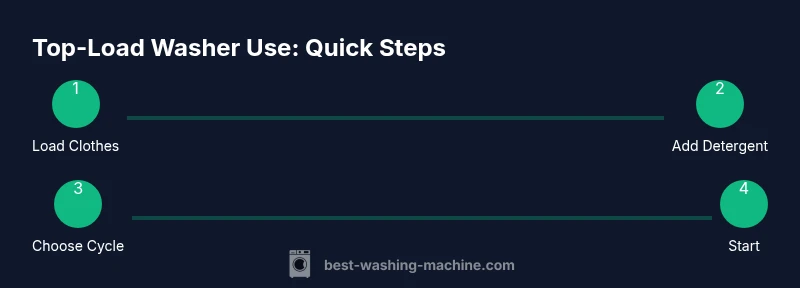
Close the lid, select the desired cycle and start the machine. If your model has a delay start option, you can schedule washing to fit your routine or energy usage plans. For the first several uses, observe the machine for unusual noises, excessive vibration, or leaks. These indicators can signal an unbalanced load, worn parts, or installation issues that may require attention.
Mid-Cycle Checks and Adjustments
If you notice an unbalanced load during washing, pause the cycle and rearrange garments to balance the weight distribution. If your clothes are sticking to the drum, pause and re-balance. Do not add items mid-cycle unless the manual explicitly allows it, as door safety features may prevent access. These adjustments help minimize wear and improve cleaning efficiency.
End-of-Cycle Care: Unloading and Drying
When a cycle finishes, promptly remove clothes to prevent wrinkles and mildew. If possible, shake garments lightly to reduce creasing before transferring to a dryer or line. Leave the lid open for a few minutes after unloading to help the drum dry and reduce odor formation. Wipe the gasket or door seal if you notice residue or dampness, then store the washer front-facing away from heat sources.
Maintenance and Safety Best Practices
Regular maintenance extends the life of your top-load washer. Wipe the drum, seal, and detergent dispenser after heavy use to prevent odor. Periodically run a hot water wash with a cleaning agent or a simple white-vinegar solution to remove mineral buildup. Always unplug the unit before performing internal checks or cleaning. Keep water hoses in good condition and replace cracked hoses promptly to avoid leaks.
AUTHORITY SOURCES
- Energy.gov: https://www.energy.gov
- energystar.gov: https://www.energystar.gov
- consumer.ftc.gov: https://www.consumer.ftc.gov
The advice in this guide is aligned with mainstream safety and efficiency recommendations from these sources. The Best Washing Machine team recommends reviewing your model’s manual and applying the steps above for consistent results.
Tools & Materials
- Detergent (HE recommended)(Liquid or powder; measure according to load size)
- Measuring cup or detergent cap(For accurate dosing)
- Fabric softener (optional)(Use if desired; not all cycles support softeners)
- Access to a power outlet and water supply(Ensure cords and hoses are in good condition)
Steps
Estimated time: 60-90 minutes
- 1
Check model manual and safety
Open the manual or quick-start guide for your model to understand cycle options, load capacities, and safety features. This prepares you to choose appropriate settings and avoid misuse.
Tip: Always review safety labels before starting; this reduces the risk of leaks or electrical hazards. - 2
Sort and inspect clothing
Separate by color and fabric weight. Check pockets, zippers, and remove lint-prone items to prevent damage and reduce the chance of residue transferring during wash.
Tip: Pre-sorting saves time at the machine and protects fabrics from color bleeding and snagging. - 3
Load the drum evenly
Place garments loosely in the drum without stuffing. A balanced load allows the agitator or impeller to move items freely, improving cleaning and reducing vibration.
Tip: Aim for about three-quarters full; this provides space for movement without wasting water. - 4
Add detergent and additives
Measure the appropriate amount of HE detergent for the size of the load. Add fabric softener only if your machine supports it in the dispenser.
Tip: Avoid pouring detergent directly on clothes to prevent spotting or staining. - 5
Choose cycle and water temp
Select a cycle based on fabric type and soil level; cold or warm water is best for color preservation and energy efficiency, while hot water is ideal for whites and heavily soiled items.
Tip: When in doubt, start with a normal cycle and adjust next time based on results. - 6
Close lid and start
Close the lid securely and press Start. If your model has a delay option, set it to fit your schedule while avoiding peak energy times.
Tip: Ensure doors and lids are fully closed to avoid cycle interruptions. - 7
Pause to check balance if needed
If the machine becomes unbalanced, pause the cycle, redistribute items, and resume. Unbalanced loads can cause wear and noisy operation.
Tip: Small adjustments mid-cycle can prevent longer cycle times and damage. - 8
End of cycle and unload
Remove clothes promptly to prevent wrinkles and mildew. If you plan to dry, lightly shake garments to reduce creasing before transferring to the dryer.
Tip: Leave the lid open for a few minutes after unloading to help dry the drum. - 9
Wipe and sanitize the drum
Wipe the drum, door seal, and dispenser with a clean, damp cloth to remove residue. Periodically run a hot-water wash with a cleaning agent to prevent buildup.
Tip: Regular maintenance prevents odors and prolongs usability. - 10
Inspect hoses and connections
Check hoses for cracks or bulges and ensure connections are tight to prevent leaks.
Tip: Replace aging hoses every 5-7 years or if you notice wear. - 11
Document any issues
Note any odd sounds, poor spinning, or leaks for future troubleshooting or when contacting service.
Tip: Keeping a simple log helps identify recurring problems and when maintenance is due. - 12
Store and schedule routine maintenance
Set a calendar reminder to check seals, clean the dispenser, and run a cleaning cycle every 1-2 months depending on usage.
Tip: Proactively maintaining the unit saves costs and extends life.
FAQ
What is a top-load washing machine and how does it work?
A top-load washer has a lid on the top and uses an agitator or impeller to move clothes through water. It’s designed for convenient loading and quick cycles, with various settings for fabrics and soils. Always consult your model’s manual for cycle options.
A top-load washer sits on top with a lid you open to load clothes; it uses an agitator or impeller to move items through water, with settings tailored to fabrics and soils.
Can I wash delicate fabrics in a top-load washer?
Yes, but use a gentle cycle or delicate setting and a slower spin speed. Place delicates in a loose, balanced load and avoid overloading. If your machine lacks a delicate option, use the normal cycle with a cool water setting.
Yes, delicates can be washed in a top-load washer by choosing a gentle cycle, using cool water, and a balanced load.
How can I prevent mold and odors in my washer?
Leave the lid or door open after cycles to let interiors dry, wipe the drum and seals, and run a monthly hot-water cleaning cycle with a cleaner or vinegar solution. Regular maintenance reduces odor and buildup.
Leave the lid open after washing and run a monthly cleaning cycle to prevent odors and mold.
What should I do if my washer leaks?
Shut off water supply, unplug the unit, and inspect hoses and gaskets for cracks or loose connections. If leaks persist, contact service. Do not operate with a visible leak.
If you see a leak, turn off the water, unplug, and check hoses and seals; call for service if it continues.
Which detergent should I use in a top-load washer?
Use a high-efficiency (HE) detergent and measure according to load size. If your manual specifies, follow their recommended dosing or switch to a liquid detergent for easier measurement.
Use HE detergent and measure the amount based on load size, following your manual if it has specific guidance.
How do I know which cycle to pick for a mixed load?
For mixed fabrics, start with a Normal cycle in cold or warm water and adjust on subsequent washes based on results. If the cycle seems rough on some fabrics, separate those items next time.
For mixed fabrics, start with a normal cycle in cold or warm water and adjust if needed.
Watch Video
The Essentials
- Load clothes evenly and avoid overstuffing.
- Use the correct detergent type and measured amount.
- Select cycle and temperature based on fabric and soil.
- Monitor for balance and leaks during cycles.
- Perform routine drum and hose maintenance to extend life.