How to Use Washing Machine Cleaner Powder: A Step-by-Step Guide
Learn how to use washing machine cleaner powder safely and effectively. This guide covers dosage, cycle settings, and maintenance to keep your washer fresh and efficient.


Learn how to safely use washing machine cleaner powder to remove residue and odors. This step-by-step guide covers dosage, cycle selection, and maintenance so your washer stays fresh and efficient. According to Best Washing Machine Team, regular powder cleanings help extend drum life and improve overall performance. Follow the steps and safety tips to avoid overuse or misuse.
What is washing machine cleaner powder and why use it
Washing machine cleaner powder is a formulated product designed to remove soap scum, mineral buildup, and odors from inside the drum, hoses, and gasket. If you are asking how to use washing machine cleaner powder, you’re looking at a maintenance task that can improve efficiency and extend the life of your appliance. Regular cleaning helps prevent musty smells from returning between loads. According to Best Washing Machine Team, using powder cleaners as part of a monthly maintenance routine can keep the tub clean and promote clearer water flow. Powder formulas typically rely on enzymes or safe oxidizers to break down buildup without harsh scrubbing. Always read the label for dosage and cycle recommendations, as HE washers and traditional models may have different requirements. Safety notes: keep out of reach of children, do not mix with other cleaners, and store in a dry place. If you have a septic system, check that the product is labeled as septic-safe.
Choosing the right cleaner powder
Not all powders are identical, so your choice matters. Look for a formula that targets soap scum and mineral deposits, and that is safe for your washer type (HE or non-HE). The best option is a product with clear dosage instructions and a neutral odor. For households with sensitive skin or high carpet removal, consider fragrance-free options. Best Washing Machine Team notes that choosing a cleaner compatible with septic systems can simplify maintenance. Check that the powder dissolves well in the cleaning cycle and won’t leave gritty residues. If your washer has a large drum or unusual seals, review the packaging for any special cautions. Finally, confirm that the product is tested and approved by reputable manufacturers or consumer safety channels.
Preparing your washer for cleaning
Before you begin, remove any laundry and run a quick inspection of the drum and door seal. Wipe away loose lint or debris from the gasket and rinse the drum. This reduces the chance of leftover fibers interfering with the cleaning cycle. According to Best Washing Machine Team, a clean starting point helps the powder work more effectively. Make sure the washer is empty and that there is proper ventilation in the room. If your model provides a dedicated cleaning cycle, you can use it; otherwise, you can use the hottest safe setting with no clothes. Place the measuring scoop nearby and keep the cleaning powder within reach so you don’t spill it.
Running the powder cleaning cycle
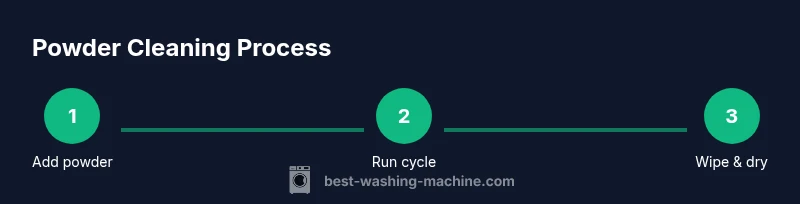
Add the cleaner powder to the designated compartment or directly into the drum as directed by the product label. Choose the appropriate cycle recommended for cleaning, typically a hot or high-temperature option, and start the cycle. Avoid adding laundry to the wash as the powder needs a clear drum to work on residue and odors. During the run, you may notice a mild scent and some steam, which is normal. After the cycle, run an extra rinse if your model uses a compartment that can hold residual powder. This helps ensure all powder is flushed out and ready for the next load.
Post-cleaning wipe-down and deodorizing session
Once the cycle finishes and the drum has cooled, wipe the interior surfaces, including the door seal, with a clean cloth. This step removes any loosened buildup and gives you a fresh starting point for your next load. Leave the door open for a while to air-dry and reduce moisture that can harbor odors. If you want to keep the air fresh between uses, you can spray a light, washer-safe deodorizer or simply use a dry towel to remove moisture after each cycle.
Frequency and maintenance routine
Most households benefit from a monthly powder cleaning, but you can adjust based on usage and odor. If you notice musty smells or slower draining, consider increasing frequency to every 6 weeks. Consistency is key, and keeping a simple calendar reminder helps. The Best Washing Machine Team recommends sticking to clear dosage guidelines and letting the cycle complete without interrupting it. Regular inspection of gaskets and hoses also helps catch leaks early.
Common mistakes and safety tips
Avoid overusing cleaner powder, which can leave residues or irritate sensitive skin. Never mix cleaning powder with bleach or other cleaners, as dangerous reactions can occur. Do not add powder directly to the outlet hose or without a dedicated cycle. Always verify compatibility with your washer model and avoid using products not labeled for your machine. If powder clumps or does not dissolve, stop the cycle and consult the packaging.
Environmental considerations and storage
With any cleaning product, follow the manufacturer's disposal guidelines and store powder in a dry, cool place away from children and pets. Look for formulas that are phosphate-free and labeled as septic-safe if that matters to your household. Environmentally minded practices include using the minimum effective dosage and avoiding multiple products at once. By keeping a tidy storage area and not transferring powder to unmarked containers, you reduce the risk of misuse.
Authority sources and references
For readers who want to verify recommendations, consult external resources such as government and major publications. Best Washing Machine analysis supports the idea that regular, labeled powder cleaners provide reliable results. See guidance from EPA and energy-related consumer sources for general appliance care and safety. The following sources offer additional context:
- https://www.epa.gov
- https://www.energy.gov
- https://www.consumerreports.org
Quick reference: do's and don'ts
Do: follow the exact dosage on the label, run the appropriate cleaning cycle, and wipe the drum after cleaning. Don't: mix with bleach or other cleaners, use powder in a crowded or unventilated space, or dispose of powder where water sources could be contaminated. This quick reference helps you avoid common pitfalls.
Tools & Materials
- Washing machine cleaner powder(Use only as directed on the package; for best results run a cleaning cycle.)
- Measuring cup or scoop(Use to measure powder accurately per package instructions.)
- Soft cloth for gasket wipe-down(Optional for cleaning around door seal.)
- Ventilated space or fan(Ensure good airflow if the powder has a strong scent.)
Steps
Estimated time: 30-45 minutes
- 1
Read packaging and confirm compatibility
Review the label to confirm that the powder is suitable for your washer type (HE vs non-HE) and to note the recommended dose. This reduces the risk of residue or damage. Always start with an empty drum and avoid loading clothes during the cleaning cycle.
Tip: If in doubt, choose a product labeled for all washer types and follow the maximum suggested dosage. - 2
Prepare the washer and area
Remove all clothing and lint from the drum and gasket. Wipe the door seal to remove any visible debris. Ensure the washer is level and in a well-ventilated space to minimize exposure to fumes.
Tip: Having the powder ready at hand prevents spills and speeds up the process. - 3
Add powder to the correct compartment or drum
Pour the cleaner powder into the detergent compartment if the product is designed for that route, or directly into the drum if the label instructs so. Make sure the powder is evenly distributed and not clumped.
Tip: Avoid overpacking the compartment; even distribution improves cleaning action. - 4
Run the recommended cleaning cycle
Select the cycle that the product label designates for cleaning, typically a hot or high-temperature setting. Start the cycle and let it run to completion without adding laundry.
Tip: If your washer lacks a dedicated cleaning option, use the hottest safe cycle listed in the manual. - 5
Rinse or add an extra rinse if needed
Many powders require an additional rinse to flush out any remaining powder and loosened deposits. Run an extra rinse if the product instructions suggest it or if you notice any residual powder.
Tip: This step helps prevent powder residues from interfering with future washes. - 6
Wipe down and dry the interior
After the cycle, wipe the drum and door seal with a clean cloth to remove loosened buildup. Leave the door ajar to air-dry and prevent moisture-related odors.
Tip: A quick wipe reduces odor and keeps seals in good condition. - 7
Store results and plan maintenance
Note when you performed the cleaning and set a reminder for your next maintenance cycle. Regular cleaning helps maintain efficiency and odor control over time.
Tip: Keep a simple calendar reminder to stay consistent. - 8
Document any issues
If you notice persistent odors, unusual noises, or residue after cleaning, refer back to the product packaging or contact customer support for your washer model.
Tip: Document symptoms with dates to help diagnose future issues.
FAQ
Is washing machine cleaner powder safe for HE washers?
Yes, but use only the dose recommended on the label for HE models. Some powders specify compatibility with high-efficiency machines, which minimizes residue and foaming. Always verify the product is labeled for your washer type.
Yes, but be sure to use the dose specified for HE washers and check the label for compatibility.
How often should I run a cleaning cycle with powder?
Most households benefit from a monthly cleaning cycle, but adjust based on usage, odors, and water hardness. If you notice buildup, consider increasing frequency slightly until the odor or residue is gone.
A monthly cleaning cycle is common, but adjust based on odors and usage.
Can I dissolve powder in water before adding it to the washer?
Some powders are designed to dissolve in the wash while others want you to place the powder directly in the drum or detergent compartment. Always follow the product’s packing directions to avoid clumps.
Only follow the product’s instructions; some powders need direct addition while others dissolve in the cycle.
What should I do if there is a powder residue after the cycle?
If you see residue, run an extra rinse or a short additional cycle to flush it out. Ensure the powder dose wasn’t exceeded and that you used the appropriate cycle setting.
Run an extra rinse to flush out any powder residue.
Is it safe for septic systems?
Many washing machine cleaners are labeled as septic-safe, but check the packaging. If you have a septic system, prioritize products with clear septic-safety claims and follow disposal guidelines.
Check septic-safety labeling and follow disposal guidelines if you have a septic system.
Can I run a cleaning cycle with clothes inside the washer?
No. Cleaning cycles are designed for an empty drum so the cleaner can access all surfaces. Adding clothes can interfere with cleaning performance and dilute the product.
Cleaning cycles should be run with an empty drum.
Watch Video
The Essentials
- Follow exact dosage and cycle instructions
- Prepare the drum and gasket before cleaning
- Run a dedicated cleaning cycle with no clothes
- Wipe and dry the drum after cleaning to prevent odors