How to Use a Washing Machine for Beginners: A Step-by-Step Guide
Learn how to use a washing machine for beginners with a complete, easy-to-follow guide. From prep and detergent to cycles and maintenance, get practical tips to clean clothes efficiently and protect your machine.


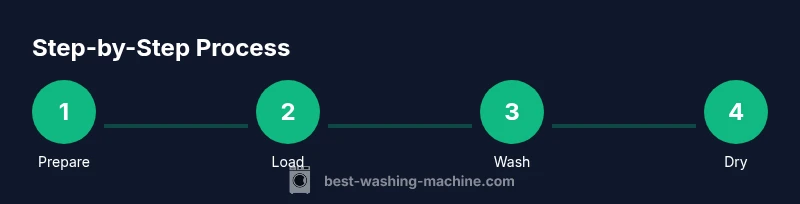
By following this beginner-friendly guide, you’ll learn how to use a washing machine with confidence. You’ll prep clothes, select an appropriate cycle, measure detergent, load correctly, start the wash, and finish with simple maintenance. The steps apply to most front- or top-load machines, with practical tips for energy efficiency and fabric care. No special tools required—just your laundry and a basic understanding.
Why Properly Using a Washing Machine Matters
Using a washing machine correctly protects fabrics, saves water and energy, and prolongs appliance life. According to Best Washing Machine, understanding load types, detergent choices, and cycle options can dramatically improve wash results and reduce wear on clothing. This is especially important for beginners who are just learning how to use a washing machine for beginners. In this guide, you’ll build confidence quickly by mastering load sizing, temperature choices, and settings that prevent color bleed and fabric damage. With these basics, you’ll see fewer rewashes, longer garment life, and more efficient laundry days. A little planning goes a long way toward cleaner clothes and a happier wallet.
Preparing Your Laundry Space: What Beginners Need to Know
Before you start washing, set up a small, organized workspace. Keep detergents and helpers within arm's reach, and ensure the machine is level to avoid excessive vibration. Place a basket nearby for sorted loads, and have stain removers or pre-treat sprays ready for spots. This setup helps you stay calm during your first loads and reduces the chance of mistakes that could damage fabrics or waste water. Remember: tidy spaces make for faster, better washes, especially when you’re learning how to use a washing machine for beginners.
Core Concepts: Loads, Detergents, and Cycles
Load size and fabric type determine everything from cycle choice to water temperature. Use the recommended detergent type and amount for your machine—HE detergents for high-efficiency models are essential to prevent oversudsing. Cold water saves energy and is gentler on colors, while warm water helps with moderate soils. Delicates deserve gentle cycles, whereas towels and sheets benefit from longer, heavier cycles. Spin speeds influence dryness and potential fabric wear, so pick a sensible setting. Understanding these basics makes learning how to use a washing machine for beginners straightforward and practical.
Maintenance Mindset: Keeping Your Washer in Top Shape
A clean machine runs better and lasts longer. Wipe the door seal after loads, leave the door ajar to dry the drum, and run a monthly cleaning cycle with an appropriate cleaner or a vinegar solution as recommended by the manufacturer. Check hoses for wear and replace them if you notice cracks or bulges. Proper maintenance reduces odors, prevents mold, and helps you avoid costly repairs. Best Washing Machine analysis shows that routine care translates to smoother operation and better long-term performance.
Tools & Materials
- Power outlet (dedicated)(Ensure a grounded, accessible outlet; use a GFCI if in a damp area)
- Water supply hoses (hot and/or cold)(Check hoses for bulges or cracks; replace if needed)
- Detergent (HE recommended)(Use the type and amount indicated by your machine’s manual)
- Fabric softener (optional)(Only if your machine supports it; follow guidelines)
- Measuring cup or cap(Accurate measurement prevents oversudsing)
- Laundry baskets or hampers(For sorting and transporting clothes)
- Stain remover (optional)(Pre-treat stubborn stains as needed)
Steps
Estimated time: 30-60 minutes
- 1
Prepare clothes and pockets
Remove items from pockets, close zippers, and empty all stains. Quick pre-inspection helps prevent damage or entanglement during washing.
Tip: Check pockets for coins or papers that could cause blockages or damage. - 2
Sort and load properly
Group by color and fabric type. Load the machine no more than about 75% full to leave space for garments to move freely.
Tip: Heavy items should be balanced with lighter ones to avoid unbalanced loads. - 3
Add detergent and optional softener
Measure detergent with the provided cup, then add it to the detergent compartment or directly into the drum if your model requires. If using fabric softener, pour it into the designated compartment.
Tip: Use less detergent if you have hard water or small loads. - 4
Choose cycle, temperature, and spin
Select a cycle appropriate for the load (delicate, normal, heavy). Pick the right water temperature and spin speed to balance cleanliness with fabric care.
Tip: Cold water saves energy and reduces color fading; reserve hot water for whites that tolerate heat. - 5
Start the wash and monitor
Close the door, press Start, and listen for any unusual sounds. If you notice leaks or noise, stop and inspect hoses and the load.
Tip: Avoid opening the door mid-cycle on many machines; consult your manual if needed. - 6
Unload promptly and dry
As soon as the cycle ends, remove clothes to reduce wrinkling and transfer to a dryer or line-dry as appropriate.
Tip: Shake garments before loading into the dryer to reduce static and improve airflow.
FAQ
How much detergent should I use for a typical load?
Start with a small amount of detergent and adjust for larger or dirtier loads. Using too much can leave residue and require extra rinses. Always follow the detergent’s guidelines and your machine’s manual.
Use a small amount first and adjust for heavier loads; avoid oversudsing by following the detergent’s guidelines.
Can I mix colors in the same load?
Mixing colors is risky for unknown dyefastness. Separate darks from lights and test new color garments separately to avoid color transfer.
Avoid mixing colors with uncertain dye fastness; keep whites, lights, and darks separate when possible.
How do I clean my washing machine itself?
Run a cleaning cycle or a vinegar-based wash monthly, and wipe the door seal and drum. Regular cleaning prevents odors and mold growth.
Do a monthly cleaning cycle and wipe seals to prevent odors and mold.
What should I do if clothes come out damp after a cycle?
Check that the load isn’t unbalanced and that you selected a proper spin setting. If needed, run a shorter spin cycle or rewash with a higher spin speed.
Unbalanced loads or low spin speed can leave clothes damp; adjust the cycle or run a quick spin.
Are front-load and top-load washers operated the same way?
The basic steps are similar, but front-load machines are generally more energy efficient and use gravity-assisted tumbling. Always follow your model’s manual for exact indications.
Both types share the same core steps, but check your model’s manual for any model-specific differences.
Watch Video
The Essentials
- Load clothes correctly and avoid overloading
- Use the right detergent and cycle for each load
- Sort by fabric and color to prevent bleeding
- Maintain the machine regularly to extend life