How to Use a Washing Machine Without a Tap Connection
Learn safe, practical methods to run a washing machine without a fixed tap connection using portable water sources and gravity-fed setups. Step-by-step guidance, safety tips, and maintenance to keep your laundry day efficient.


By using a portable water source or gravity-fed setup, you can run a washing machine without a fixed tap connection. Key steps include attaching a clean water container to the inlet hose, securing all connections, and selecting the proper wash program to minimize overflow. This quick guide outlines safe, practical methods for transferring water and operating the unit without a faucet hookup.
Why tap-free operation matters
For homeowners, renters, or facilities with limited plumbing access, a washing machine can still function without a direct tap connection. This approach is useful during renovations, in rental units with shared plumbing, or when you need a portable setup for temporary laundry needs. The key is to create a reliable, clean water source and a leak-free path for both inlet and drain. Always avoid using contaminated water or wastewater for washing clothes, and ensure the setup remains on a dry, level surface to prevent electrical hazards. According to Best Washing Machine, planning ahead reduces the risk of overflow, leaks, and unsightly spills, making the process safer and more convenient for everyday use.
In practice, you pair a clean water container or reservoir with a hose that vents unobstructed into the machine. The drain path should lead to a basin or utility sink, not directly onto the floor, to avoid mold and water damage. With careful preparation, you can achieve reliable wash cycles, especially for smaller loads or quick refreshes. This section lays the groundwork for safe, tap-free operation while emphasizing clean water handling and spill containment.
Planning your tap-free system
Before you power up, outline how you will supply water and how you will manage drainage. For most households, two practical approaches work well: a gravity-fed reservoir kept above the machine and a portable container hooked to the inlet via a short hose. Consider the washer’s inlet compatibility (some models require a specific hose size), the height needed to maintain gravity flow, and the total water you’ll use per cycle. You should also map a safe drainage route to a sink or standpipe and avoid creating a tripping hazard with hoses. A quick risk assessment helps prevent accidental energy shocks or water damage during operation. In addition, verify that your setup does not violate any warranty terms or local regulations, as some manufacturers restrict non-standard water connections.
From the start, choose food-grade containers to prevent chemical leaching. Label hoses and connections so household members don’t disconnect the wrong line. Keep spare clamps and adapters on hand and test the system with a short cold-water cycle to identify leaks before washing a full load. This planning phase minimizes surprises and helps you select the most robust tap-free configuration for your space.
Brand considerations from Best Washing Machine emphasize safety, compatibility, and reliability when you pursue tap-free laundry options. By anticipating water source quality, connection integrity, and drainage, you set the stage for successful, risk-averse operation.
Two practical approaches: gravity-fed vs portable reservoir
There are two common ways to run a washer without a tap. The gravity-fed approach uses an elevated water source—such as a sturdy shelf or stand—connected to the washer’s inlet hose via a short, clean tube. The vertical height provides the force needed to push water into the drum without a pump. A portable reservoir, like a sealed water container, can be placed beside or behind the machine and connected with a flexible inlet hose. The reservoir should be kept above the machine to promote gravity flow, but not so high that it strains the hose or leaks.
Pros of gravity-fed: simple hardware, fewer moving parts, good for larger volumes when height is available. Cons: requires a stable elevation and precise hose length to avoid kinks.
Pros of portable reservoir: highly flexible, easy to relocate, works with most machines. Cons: depends on container capacity and careful monitoring to prevent spills. Both methods demand a reliable drain path and proper backflow prevention. Best practices include using anti-siphon valves and ensuring all connections are tight and clean to prevent leaks during cycles.
Setup prerequisites: connectors, hoses, and safety checks
Begin with a clean, dry workspace. Confirm the washer’s inlet size and gather compatible hoses and adapters. Install a backflow preventer or anti-siphon valve if you have one, which reduces the risk of contaminated water flowing back toward your supply. Attach the inlet hose securely to the water container or gravity-fed line, ensuring a snug fit with clamps if needed. Place the drain hose into a bucket or sink with a stable outlet and route it so it won’t slip or fall during agitation. Finally, check electricity proximity—keep cords and plugs away from any water source and use a GFCI outlet where possible. This stage minimizes leaks and protects against electrical hazards during operation.
If you’re using elevated water, confirm the height is sufficient to maintain an even flow but not excessive to create hydraulic pressure that could stress the inlet valve.
Safety reminders, maintenance, and warning signs
Tap-free setups require careful handling because you’re combining water and electrical appliances in non-standard ways. Always unplug the machine before adjusting hoses or containers. Inspect hoses for cracks, wear, or stiffness and replace any damaged parts immediately. Keep the surface dry and free of clutter to prevent slips. Watch for signs of leaks, such as damp floors, puddles, or odor indicating mold growth. If you notice inconsistent water flow, a corroded connector, or unusual noises, power down and recheck connections before restarting.
For ongoing maintenance, rinse water containers with clean, non-chlorinated water between uses and store hoses out of direct sunlight to prevent cracking. Regularly inspect the anti-siphon valve and replace it if you see signs of wear. With diligent checks, a tap-free setup remains a safe, repeatable option for laundry days.
Common mistakes and how to avoid them
• Using dirty water or non-potable sources. Always use clean, potable water. • Skipping backflow prevention. Install an anti-siphon valve to minimize contamination risk. • Over-tightening connections. Excessive force can crack hoses or fittings; snug connections are enough. • Routing drain hoses improperly. Avoid loops that trap water or cause siphoning during cycles. • Ignoring high-efficiency settings. Choose appropriate cycle types to minimize water waste and overflow.
If you notice leaks, pause, tighten connections, and test a short cycle again. Rushing through setup increases the chance of a mistake that could damage the machine or the floor. Slow, careful setup yields better long-term results.
Quick maintenance routine after use
After finishing a load, run a short empty cycle with cold water to flush out residual sediment from the inlet hose. Detach and rinse the water container, then dry all components completely before storage. Store the hoses straight and avoid bending them at sharp angles. Periodically test the anti-siphon valve by pinching the hose and watching for any backflow in the container. Keeping up with these steps helps preserve the integrity of your tap-free system and prolongs the life of the washer.
Troubleshooting and quick fixes
If water fails to reach the drum, recheck the height of the reservoir, the integrity of the inlet hose, and the presence of any kinks. If leaks appear around connections, unplug the machine, tighten clamps, and reseal with appropriate hose sealant. For drainage problems, ensure the drain hose is correctly positioned and not blocked. If you encounter persistent issues, consider switching to a different water source or temporarily reinstalling a standard tap connection with proper plumbing guidance.
Tools & Materials
- Inlet hose (matching washer model)(Use the standard hose or a compatible adapter)
- Portable water container (5-20 liters)(Food-grade, clean, and labeled)
- Backflow preventer / anti-siphon valve(Recommended to prevent contamination)
- Short inlet hose (for gravity-fed setup)(Keep hose length minimal to reduce pressure loss)
- Hose clamps (various sizes)(Secure all connections)
- Bucket or utility sink for drain(Stable and at least 2-3 gallons)
- Water-safe plumbing fittings/adapters(For mismatched hose sizes)
- GFCI outlet or surge protector(Electrical safety near water)
- Soft cleaning brush(For pre-wash rinse if needed)
Steps
Estimated time: 45-75 minutes
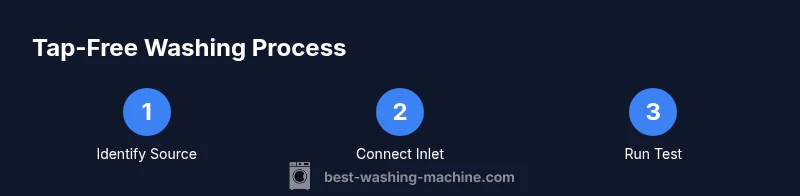
- 1
Prepare water source
Choose a clean water container or elevated reservoir. Ensure it is stable and easily accessible from the washer. If using gravity, ensure the source is above the machine to create consistent flow.
Tip: Label containers and keep spare water on hand for quick swaps. - 2
Attach inlet hose to source
Connect the inlet hose to the water container or reservoir and secure with clamps if needed. Do not force fittings; they should be snug but not overtightened.
Tip: Run a quick leak test with a small amount of water before loading laundry. - 3
Position the reservoir above the washer
Place the container on a sturdy surface to maintain height without risking a spill. Ensure the hose path is clear of obstacles and not kinked.
Tip: Avoid placing containers directly on soft surfaces that may tip over. - 4
Set up drain path
Position the drain hose into a bucket or sink. Keep the hose elevated to prevent backflow and ensure it won’t slip during the cycle.
Tip: Secure the drain tube with a clip or velcro to prevent movement. - 5
Run a test wash
Start a short cold-water cycle with a small load to verify flow and leaks. Observe inlet and drain areas for any signs of leakage or backflow.
Tip: If you notice leaks, power down and tighten connections before retrying. - 6
Monitor and adjust
During the first full cycle, watch the water level and drainage. If overflow occurs, reduce water source height or shorten the cycle and re-check hoses.
Tip: Keep a mop nearby and have towels ready during the first attempts.
FAQ
Is it safe to use a washing machine without a tap connection?
Yes, it is possible with proper precautions: clean water sources, secure connections, and a safe drainage path. Always monitor for leaks and avoid backflow. If you’re unsure about your setup, consult manufacturer guidelines.
Yes, you can, but ensure clean water, secure hoses, and a safe drain, and watch for leaks during the first cycles.
Will using a portable water source void my warranty?
Some brands require standard plumbing connections for warranty protection. Check your model’s manual and contact support if you’re unsure. Using a compliant setup when necessary can help maintain warranty coverage.
Warranties vary by model; review the manual and ask the manufacturer if needed.
What water sources are acceptable for tap-free operation?
Only clean, potable water should be used. Avoid contaminated sources or reclaimed water unless the manufacturer explicitly allows it. Use food-grade containers and rinse hoses between uses.
Stick to clean water and food-grade containers; don’t use contaminated sources.
How can I prevent leaks and spills during operation?
Tighten all connections just until snug, use clamps where possible, and do a pre-cycle leak test. Keep the setup on a dry, level surface and use a drip tray if needed.
Tighten connections, run a quick test, and keep the area dry and level.
Can I run hot water with a tap-free setup?
Hot water increases the risk of scalding and may affect hose materials. If your unit supports hot water, ensure all hoses are rated for high temperatures and follow manufacturer guidance. For safety, many tap-free methods use cold water.
Hot water is riskier; follow your machine’s guidance and only use temperature-rated hoses.
What should I do if the drain backs up or leaks occur?
Stop the cycle, disconnect the inlet, and inspect the drain path for blockages or kinks. Replace any worn hoses and test again with a short cycle. If problems persist, revert to a standard tap connection if feasible.
If the drain backs up, stop, check for blockages, and test again after fixes.
Watch Video
The Essentials
- Prepare a clean water source before loading laundry
- Secure all hoses and test for leaks first
- Choose a safe drainage path and maintain backflow protection
- Monitor first cycles and adjust water height accordingly
- Maintain equipment and store components properly