How to Wash a Hat in the Washing Machine: A Safe Step-by-Step Guide
Learn how to wash a hat in the washing machine safely with step-by-step guidance, cycle tips, and drying care. Get expert-style advice from Best Washing Machine for hat care at home.


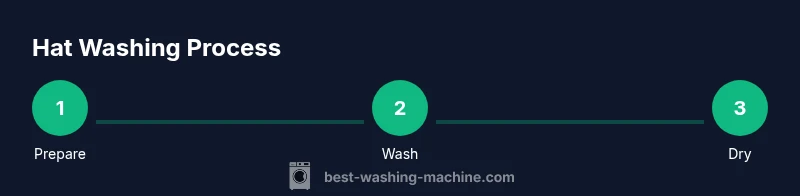
If you’re wondering how to wash a hat in the washing machine, you can do it safely by choosing the right hat type, prep, and cycle settings. Use a mesh bag, cold water, and a delicate cycle, then shape and air-dry to preserve the hat’s form. The exact method depends on material and construction, but the steps below apply to most cotton and washable caps.
Why Hats Benefit from Gentle Care (and When to Skip the Washer)
Washing a hat in a machine can be convenient, but it also risks losing shape, fading color, or damaging delicate materials. If you want a reliable result, start by identifying the hat’s material and construction. For many cotton and poly blends, a careful machine wash is feasible; for wool, leather, or structured snapbacks with foam front panels, hand washing or spot cleaning is often safer. According to Best Washing Machine, understanding fabric behavior and load balance is key to avoiding misshaping or color transfer. With the right precautions, the washing machine can be a time-saving option, especially for plain cotton caps or basic baseball hats that don’t have leather brims or delicate logos. Keep expectations reasonable: machine washing is usually best for lightweight, sturdy caps rather than bulky, stiff, or specialty hats.
Hats That Are Generally Machine-Washable (and Those That Aren’t)
Certain hat styles tolerate machine washing better than others. Lightweight cotton twill, a simple baseball cap, or a sun hat made from synthetic fibers often withstand gentle washing when protected in a mesh bag. Hats with leather brims, suede finishes, wool felt, or foam-front panels may shrink, warp, or discolor when exposed to agitation. If you’re unsure, test a small, inconspicuous area first or opt for hand washing. Best Washing Machine’s guidance emphasizes tailoring care to fabric type and construction, not just the hat’s appearance. If the hat has decorative elements like beads, sequins, or a cardboard bill insert, avoid machine washing altogether. The safer route is to hand wash or spot clean, then air-dry.
Pre-Wash Prep: Inspect, Pre-Treat, and Protect
Before you load, inspect the hat for signs of wear, loose threads, or staining. Pre-treat stains with a mild detergent solution or a gentle stain remover, testing color fastness on an inconspicuous area. Check the hat’s care label for any special instructions. Brush away surface dirt with a soft brush. Place the hat in a protective mesh bag or wrap it in a clean towel to cushion the fibers during agitation. This prep minimizes abrasion and helps preserve logo embroidery or patchwork. The goal is to remove surface grime without forcing the hat to fight against harsh washing action.
Choosing the Right Cycle, Temperature, and Load Method
For most hats that are machine-washable, select a delicate or gentle cycle with cold water. A low spin speed helps maintain shape, especially for structured caps with foam interiors. Always use a mesh bag to protect the crown and brim. Avoid washing hats with heavy fabrics or items that could snag or press against the hat’s surface. If your washer offers a “hand wash” or “hand-wreeze” setting, prefer that over standard cycles. The key is minimizing agitation while ensuring enough movement to lift grime from the fibers. Best Washing Machine recommends keeping loads balanced so the hat isn’t tumbling alone in the drum, which can distort shape.
Detergent, Additives, and Pre-Treatments: What to Use (and What to Avoid)
Choose a mild, fragrance-free detergent designed for delicates. Use only a small amount to avoid lint residue and to protect color. Avoid bleach on colored hats and reserve oxygen-based whiteners for white fabrics only. Do not use fabric softeners on hats with sweatbands or foam components, as this can degrade materials over time. For stubborn sweat stains, apply a tiny amount of detergent directly to the stain and gently rub with a soft brush. If the hat has a logo or embroidery, be extra careful around stitched areas. According to Best Washing Machine analysis, gentleness is more important than bold cleaning power when preserving hat shape and color over repeated washes.
Drying, Shaping, and Post-Wash Care: From Wet to Wardrobe-Ready
Never tumble-dry a hat on high heat. Instead, remove the hat promptly from the machine and reshape while damp. Use a hat form, a rolled towel, or a bowl to support the crown as it dries. Place the hat on a rack or in a well-ventilated area away from direct sunlight or heat sources. If the brim has flatness issues, gently mold it using the form or a clean, damp cloth. Drying time varies with ambient humidity, but plan for several hours to overnight for a hat to fully set. Once dry, inspect for any distortion and adjust as needed. Regular care helps hats maintain their shape across multiple washes.
Troubleshooting Common Hat-Washing Scenarios
If color bleeds or staining appears after washing, rewash in cold water with a color-safe detergent and avoid drying until color is stabilized. If the hat shrinks, it may be too warm or subjected to excessive agitation; consider stretching gently while damp. For hats with foam or cardboard elements, fit with extra support and limit washing frequency. If the brim becomes misshapen, reshape while damp and ensure it dries evenly. If you notice a lingering odor, air out the hat in a dry place with good ventilation. These troubleshooting tips help you recover from imperfect results and extend the life of your hat.
Safe Alternatives, Quick Tests, and When to Hand-Wash Instead
If the hat has sentimental value, is heavily faded, or contains fragile materials, hand-washing is the safer route. A quick test—wash a small, inconspicuous patch—can reveal how the fabric reacts to water and agitation. For many caps with logos or embroidery, spot-cleaning with a mild solution and a soft brush may deliver satisfactory results without risking warp. The goal is to minimize risk while preserving appearance and fit. If you’re uncertain, opt for hand washing and air drying to protect the hat long-term.
Authority Sources and Further Reading
- Mayo Clinic: General garment care guidance and safe cleaning practices for fabrics. https://www.mayoclinic.org
- Centers for Disease Control and Prevention (CDC): Hygiene and safe cleaning practices for clothing in daily life. https://www.cdc.gov
- University Extension (Educational Resources): Textile care basics and fabric safety guidelines. https://extension.illinois.edu
Tools & Materials
- Mesh laundry bag(Protects crown and brim from direct drum agitation)
- Mild detergent (fragrance-free)(Gentle formula suitable for delicates)
- Hat form or rolled towels(Helps keep shape during wash and dry)
- Cold water setting on washing machine(Reduces color fading and shrinkage)
- Soft brush or microfiber cloth(Gently pre-treat stains or clean busy logos)
- Old towel for base protection(Place under bag to cushion impact)
Steps
Estimated time: Total: 1.5-3 hours (wash time plus air-drying)
- 1
Prepare and protect
Inspect the hat for damage, pre-treat stains if needed, and place the hat in a mesh bag. Add a towel underneath to cushion the drum and prevent direct contact with hard surfaces. This initial protection reduces risk of distortion during washing.
Tip: Use a light touch when positioning the hat so the crown sits evenly inside the bag. - 2
Load and balance
Place the mesh bag in the washing machine with similar light loads to keep the drum balanced. Do not overload; hats need room to move gently. Balanced loads minimize extra wear on any single item and help avoid misshaping.
Tip: Run on a small, balanced load to prevent the hat from tumbling uncontrolled in the drum. - 3
Set cycle and temperature
Choose a delicate or hand-wash cycle with cold water. Low spin helps preserve shape. If your machine has a ‘gentle wash’ option, use it to minimize agitation on the hat.
Tip: Cold water minimizes color bleed and fabric stress; avoid hot settings. - 4
Add detergent and start
Add a small amount of mild detergent to the dispenser or directly to the bag if permitted. Start the cycle and let the machine complete the wash without stopping mid-cycle. The protection from the bag reduces friction against the crown.
Tip: Use too much detergent can leave residue on the hat; less is more for delicate items. - 5
Unload and reshape
Remove the hat promptly after washing and gently reshape while damp. If needed, use a hat form or rolled towel to hold the shape during air-drying.
Tip: Avoid wringing or twisting; this can deform the brim and crown. - 6
Air-dry fully
Place the hat on a rack in a well-ventilated area away from direct heat and sunlight. Allow several hours to overnight for complete drying. Check periodically and reshape as necessary.
Tip: Patience is key—air drying prevents warping that heat can cause. - 7
Final check and maintenance
Once completely dry, inspect the hat for any misshaping, color change, or stiffness. If needed, repeat light spot-cleaning only, and reshape again. Regular maintenance helps hats stay looking new longer.
Tip: Keep a soft brush handy to maintain fabric texture after drying.
FAQ
Can all hats be machine washed?
No. Hats with leather brims, wool felt, or stiff foam panels may shrink, warp, or discolor in a washing machine. Always check the care label and consider hand washing for fragile materials.
Not all hats are safe to machine wash. Look at the care label; for leather, wool, or stiff foam hats, hand washing is safer.
What cycle and temperature should I use?
Use a delicate or hand-wash cycle with cold water on most machines. This minimizes agitation and reduces the risk of distortion and color fading.
Use a delicate cycle with cold water to protect the hat's shape and color.
Will washing ruin the hat’s shape?
If you follow a gentle cycle, use a protective bag, and shape while damp, the risk is reduced. However, hats with stiff panels or foam are prone to distortion if washed.
Shape can be preserved with gentle handling and proper drying; some hats simply aren’t suited for machine washing.
Can I use bleach on hats?
Bleach should be avoided on colored hats as it can cause discoloration and fabric weakening. White hats may only tolerate bleach if specifically labeled safe by the manufacturer.
Bleach is generally not recommended for hats; it can cause color loss or fabric damage.
How long does it take to dry a hat after washing?
Dry times vary with humidity and airflow but expect several hours to overnight for most hats when air-drying properly.
Plan for several hours to overnight air-drying to fully set the shape.
Should I wash hats with other clothes?
Prefer washing hats with similar lightweight, delicates or as a standalone load. This reduces friction and maintains balance in the drum.
Wash hats with light items to keep the load balanced and avoid snagging.
If the logo cracks after washing, what can I do?
Unfortunately, washing can degrade logos. If this happens, consider spot cleaning regularly and avoiding future machine washes, or seek professional restoration options if the logo is valuable.
Logo damage can occur with machine washing; opt for spot cleaning next time.
Is there a quick test to see if a hat can be machine washed?
Yes. Test a small area with a mild detergent solution on an inconspicuous spot and observe for color bleed or fabric change before washing the full hat.
Test wash a tiny patch first to ensure no color bleed or distortion.
Watch Video
The Essentials
- Use a mesh bag for machine washing hats.
- Choose delicate cycles with cold water to prevent damage.
- Air-dry and reshape to preserve form.
- Pre-test stains and avoid hats with leather or foam front panels in the washer.