Installing a Washing Machine: A Complete How-To
Learn how to install a washing machine safely and correctly, from site prep to test run. This comprehensive guide covers tools, connections, leveling, and post-install maintenance with practical tips for homeowners and landlords.


By the end, you will be able to install a washing machine safely and correctly, including turning off utilities, connecting water supply hoses, attaching the drain, leveling the unit, and running a test cycle to check for leaks. This guide emphasizes practical, stepwise actions you can perform yourself or with basic tools.
Why installing a washing machine properly matters
A correct installation is not just about making the unit work; it affects performance, energy efficiency, occupant safety, and the longevity of the machine. A poorly installed washer may leak, vibrate excessively, or fail to drain, leading to water damage or costly repairs. According to Best Washing Machine, proper installation reduces warranty headaches and improves washing performance by ensuring balanced loads, level feet, and correct hose configuration. In this guide, you’ll learn the essential steps and best practices so you can confidently install a washing machine in a home or rental property. You’ll also understand common pitfalls and how to avoid them, whether you’re replacing an old unit or setting up a new one in a renovated space. A thoughtful setup saves time, reduces stress, and protects floors and walls from moisture.
Safety considerations before you begin
Safety is the first priority when installing a washing machine. Before you touch any tools, turn off the circuit breaker or unplug the unit, and shut off the cold water supply at the valve. Keep children and pets away during the process. Check the area for standing water or slippery floors and wear closed-toe shoes. Do not attempt to install a machine if you notice damaged hoses, corroded valves, or a damaged floor. If you’re replacing an old machine, ensure the new unit will fit through doors and corridors. The Best Washing Machine analysis notes that many installation issues stem from insufficient space and improper drainage connections, so measure carefully and plan your routing before you start.
Site prep and layout considerations
Choose a stable, level surface with adequate clearance on all sides. Ensure there is an accessible shutoff valve for the water lines, a nearby electrical outlet, and a drainage path that allows the hose to reach a standpipe or sink without kinks. If you’re in a rental, confirm that the location complies with the building’s guidelines. Plan the path for hoses and vents so they are not crushed by doors or furniture, and consider vibration isolation mats if your floor is particularly hard or uneven.
Selecting tools and parts for installation
Before you begin, assemble the tools and parts you’ll need. A level helps you confirm the machine sits evenly; adjustable wrenches or pliers will tighten fittings; a bucket catches any residual water; wire ties or foam pads can reduce movement; and a spray bottle with soapy water helps you spot leaks after connections. Having these items on hand keeps the process smooth and minimizes delays. If you are replacing hoses, ensure you have new hoses that match your water valves and the washer’s inlet ports.
Step-by-step overview (high level)
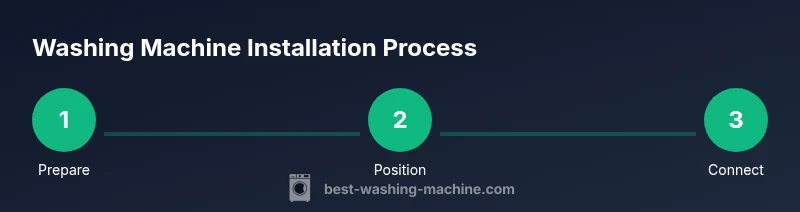
This section provides a high-level roadmap of the installation process, from prep to test run. After you read the steps below, you’ll have the confidence to perform the full installation or review the detailed steps in the dedicated STEP-BY-STEP section. You’ll focus on safe connections, proper drainage, and ensuring the appliance sits squarely and operates quietly.
Common installation pitfalls and how to avoid them
Rushing the process leads to mistakes: misaligned hoses, loose clamps, or an unlevel machine can cause leaks and vibration. Plan your route for hoses and cords, double-check the water supply valves, and test for leaks with a brief water fill before loading clothes. Avoid using adapters that aren’t rated for water use and never force hoses through tight spaces. According to Best Washing Machine, taking a moment to double-check connections saves time and expense later.
Maintenance tips after installation
Once installed, perform periodic checks: inspect hoses for wear, test the drain function periodically, clean the filter if your model includes one, and wipe down the exterior to prevent soap scum buildup. Stow away detergents and keep the area clean to prevent mold. The Best Washing Machine team recommends scheduling a quick annual check with a qualified technician to catch issues early.
Authority sources
- Energy.gov: Energy efficiency recommendations for household appliances
- OSHA.gov: Home electrical safety guidelines
- ftc.gov: Appliance installation safety and consumer protection
Tools & Materials
- Wrench set (adjustable)(For tightening inlet hose fittings)
- Pliers(Grip fittings and clamps)
- Level(Check side-to-side and front-to-back level)
- Bucket(Catch residual water during hose connections)
- Teflon tape (plumbers tape)(Seal threaded connections)
- New inlet hoses (3/4 in.)(Mandatory if hoses are old or damaged)
- Drain hose(Secure to standpipe or sink drain)
- Screwdriver (Phillips and flathead)(Assemble brackets and covers)
- Gloves(For grip and hand protection)
Steps
Estimated time: 60-90 minutes
- 1
Prepare and gather tools
Unbox the unit, remove transit bolts if present, and lay out the tools in your workspace. Check that you have enough space to maneuver the machine and doors. This step sets up a smooth workflow for the rest of the installation.
Tip: Have the appliance manual within reach to confirm model-specific requirements. - 2
Shut off water and power
Turn off the cold water valve and unplug the washer from the wall outlet. If replacing an older machine, disconnect the existing hoses carefully to prevent spills. Verify there are no live electrical outlets within your work area.
Tip: Use a bucket to catch any residual water and have towels handy. - 3
Move washer into position
With help, slide the washer into its final position, leaving enough space for hose connections and the power cord. Make sure you can access the back panel and the drain trap area. Do not push the machine hard against the wall yet.
Tip: Protect floor surfaces with a mat or cardboard to prevent scuffs. - 4
Connect water inlet hoses
Attach the inlet hoses to the hot and cold water valves and to the washer’s inlet ports. Hand-tighten first, then snug with a wrench—do not overtighten. Check that you’ve connected the correct hose to each valve.
Tip: Apply a small amount of plumber’s tape on threads if you notice minor leaks after initial test. - 5
Attach the drain hose
Secure the drain hose to the washer and route it to a standpipe or sink. Ensure the hose is not kinked, and use a clip or strap to keep it in place. Position the end above the water level to prevent backflow.
Tip: If your drain point is far, use a longer hose designed for washing machines. - 6
Level and stabilize the unit
Use the adjustable feet to level the washer. Place a bubble level on the top surface and adjust until the machine is stable in all directions. Check that it sits flush against the floor without rocking.
Tip: After leveling, gently push the machine to test stiffness and re-check level. - 7
Power up and check clearance
Plug the washer in and check the space around the power cord and hoses. Ensure there is at least a few inches of clearance behind and on the sides for airflow and vibration dampening.
Tip: If the outlet is on a GFCI circuit, test the outlet before plugging in. - 8
Run a test cycle (no clothes)
Run a short diagnostic cycle with no laundry to verify water intake, drainage, and spin. Look for leaks around hose fittings and at the drain connection. Stop immediately if you notice any abnormal noises or moisture.
Tip: Use the empty tub cycle or a rinse cycle to evaluate performance. - 9
Final checks and cleanup
Turn off the door after the test cycle, recheck all connections, and wipe away any water. Remove packaging, tidy cords and hoses, and schedule a routine maintenance check for the future.
Tip: Keep a spare inlet hose handy for future replacements.
FAQ
Do I need a professional to install a washing machine?
For standard installations in a home with accessible water and electrical outlets, a confident DIY approach can work. If you encounter gas lines, complex drainage, or if you’re unsure about wiring, hire a professional.
For standard setups, you can install it yourself if outlets and water lines are easy to reach. If you’re unsure, consult a professional.
What electrical requirements are necessary?
Most washers run on a standard household outlet. A dedicated circuit is recommended to prevent overloading other appliances. Check your model’s manual for voltage and amperage requirements.
Most washers plug into a standard outlet, but a dedicated circuit is best. Check your model’s manual.
Can I install on carpet?
Yes, but ensure the washer sits on a solid, flat surface with proper support. Avoid blocking airflow and consider a rigid base or platform to prevent wobble and moisture exposure.
Yes, but make sure the floor is solid and level; avoid carpet under the machine.
Why is there water leaking after installation?
Leaks usually come from loose or mis-seated hoses, poor clamp tightness, or a drain connection not secured. Re-check all connections and run a short test cycle.
Leaks usually mean a loose hose or clamp; reseat and retighten, then test again.
How long does installation take?
A typical installation takes about one hour for a straightforward setup. More complex situations, such as tight spaces or replacing a long hose, may take longer.
Most installations take around an hour, longer if space is tight.
What if the drain hose won't fit my standpipe?
If the standpipe is too short or the diameter doesn’t match, use a compatible drain hose or an adaptor kit designed for washers. Do not force a hose into a pipe.
If it won’t fit, use a compatible hose or adaptor rather than forcing it.
Watch Video
The Essentials
- Plan before you connect hoses
- Verify water and power shutoffs are off
- Level the washer for stability
- Test with a short cycle before loading laundry
- Regularly inspect hoses and connections after installation