Is It Safe to Wash Sneakers in the Washing Machine? A Practical Guide
Learn when it's safe to machine-wash sneakers, how to do it without damage, and expert tips from Best Washing Machine. Includes step-by-step instructions, safety notes, and care guidance.


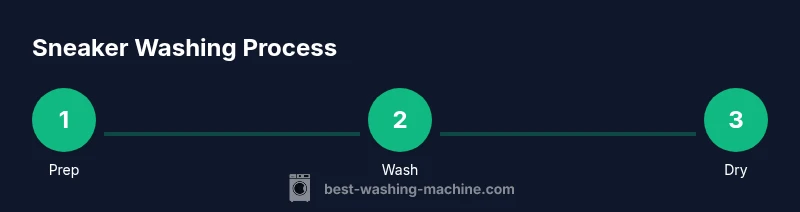
Yes—washing sneakers in a washing machine can be safe for many pairs if you follow careful prep, use cold water on a gentle cycle, place footwear in a mesh bag, and air-dry away from direct heat. Avoid leather, suede, or heavily stitched sneakers, and never overload the washer. Laces and insoles should be removed and cleaned separately when possible.
Is machine washing sneakers safe for most materials?
Yes, machine washing sneakers can be safe for a wide range of materials—canvas, mesh, and many synthetics—when you follow a cautious process. The guidelines are designed to protect the fabric, adhesives, and structural components from excessive agitation, heat, or harsh chemicals. According to Best Washing Machine, the vast majority of everyday sneakers respond well to a gentle treatment, provided you avoid certain high-risk materials like leather or suede and never exceed manufacturer recommendations. When you choose the right settings and load, you minimize the risk of color fading, sole separation, or logo peeling, making a routine wash part of regular sneaker maintenance.
A practical rule of thumb is to treat sneakers like gentle fabrics rather than heavy-duty workwear. This means using cold water, a mild detergent, and a short cycle. If you have leather or suede accents, you should skip the machine wash entirely or opt for spot cleaning to preserve texture and finish. The goal is to strike a balance between cleaning effectiveness and preserving the shoe’s integrity over time. Best Washing Machine analysis indicates that careful handling increases the likelihood of safe results across common sneaker styles.
note”:null},
Understanding why some sneakers aren’t suitable for the machine
Not every sneaker should go into the washer. Leather uppers, suede overlays, and shoes with delicate glues or decorative elements can suffer water damage, stiffness, or peeling after a cycle. The adhesives used in some sneakers are not always water-friendly, and aggressive tumbling can loosen components or warp shapes. If you are unsure about a pair’s construction, test a small, inconspicuous area or opt for hand cleaning first. If the shoe has foam insulation or intricate embroidery, machine washing could distort or degrade these features. For renters and homeowners trying to keep costs down, prioritizing gentler cleaning methods on questionable pairs protects value and extends lifespan.
tip”:null},
Tools & Materials
- Mesh laundry bag(Place sneakers inside to protect both shoe and drum; choose a bag with a tight weave.)
- Mild detergent(Use a small amount of detergent designed for gentle fabrics; avoid strong bleaches.)
- Cold water setting(Hot water can weaken glue and fade colors; cold water reduces risk.)
- Old towel or fabric scraps(Place towels around shoes to balance load and cushion agitation.)
- Screwdriver or coin for laces removal tool(Optional if you need to remove insoles or knots in laces quickly.)
Steps
Estimated time: 30-60 minutes (wash) + 6-24 hours drying
- 1
Remove laces and insoles
Take out laces and remove insoles to prevent tangling and to ensure a thorough cleaner for all surfaces. Laces can be washed separately in a mesh bag. This step reduces snagging and allows even cleaning. If insoles are removable, wash them by hand or in a separate cycle.
Tip: Keeping components separate prevents color transfer and improves cleaning results. - 2
Pre-treat heavy soil
Brush off loose dirt with a soft brush, then pre-treat stubborn stains with a mild detergent solution. This reduces the need for aggressive agitation and helps water penetration reach embedded grime. Avoid harsh solvents that can degrade materials.
Tip: Pre-treatment saves cycles and protects fabric integrity. - 3
Load smartly in a mesh bag
Place each shoe in a separate pouch or the same mesh bag to keep them from colliding. Balance the load with a few towels or rags to cushion impact and prevent excessive drum movement.
Tip: Balanced loading minimizes banging and potential sole damage. - 4
Choose cycle, water, and detergent
Set the washer to cold water on a gentle or delicate cycle with a low spin speed. Use a small amount of mild detergent, and avoid bleach or fabric softeners that can affect materials and odor control.
Tip: Cold water and gentle agitation preserve adhesives and colorfastness. - 5
Run the wash and check results
Start the cycle and, once finished, inspect for any missed stains. If needed, run a short second cycle on the same settings. Remove footwear promptly to reduce wrinkling or odor development.
Tip: Two short cycles are better than one long, heavy wash for sneakers. - 6
Dry properly after washing
Air-dry sneakers away from direct heat or sunlight. Stuffing with paper towels or old clothes can help maintain shape and absorb moisture, but avoid cranking the dryer which can warp soles or damage uppers.
Tip: Never use a hairdryer or heater to dry; heat damages adhesives and materials.
FAQ
Can all sneakers be washed in a washing machine?
No. Leather, suede, or delicate embellishments may suffer damage. Canvas and mesh are typically okay with proper settings.
Not all sneakers are safe—avoid leather or suede and use gentle settings for most canvas or mesh shoes.
What settings should I use for washing sneakers?
Cold water on a gentle cycle with a low spin, using a mild detergent. Remove laces and insoles and place shoes in a mesh bag.
Set your wash to cold water, gentle cycle, and low spin with a mild detergent.
How should I dry sneakers after washing?
Air-dry in a well-ventilated area away from direct heat. Use towels to maintain shape temporarily if needed.
Air-dry them in a ventilated space—no direct heat like a heater or dryer.
Will washing sneakers cause shrinking or fading?
There is some risk if you use hot water or harsh chemicals. Using cold water and a gentle cycle minimizes this risk.
Short answer: use cold water to limit shrinkage or color loss.
Can washing sneakers remove odors effectively?
Yes, a mild detergent and proper drying can reduce odors. Avoid lingering moisture by drying completely before wearing.
Yes—detergent plus thorough air-drying helps odors disappear.
Watch Video
The Essentials
- Always remove laces/insoles before washing
- Use cold water and a gentle cycle with a mesh bag
- Air-dry away from heat to preserve materials
- Avoid machine washing leather or suede sneakers
- Balance the load to protect drum and shoe integrity