Should Washing Machines Be Cleaned? A Practical Guide
Learn why cleaning your washing machine matters, what to clean, and how to clean it effectively. A practical, step-by-step guide for all washer types to eliminate odors, buildup, and mold.


By following these steps, you’ll determine whether your washer needs cleaning, choose a safe cleaning method, and perform a thorough routine tailored to front-load or top-load models. Expect reduced odors, mineral buildup, and mold, plus longer machine life and cleaner laundry. The guide covers common pitfalls, timing, and safe cleaners.
Why should washing machines be cleaned
If you’ve ever wondered should washing machines be cleaned, the answer is a firm yes. A clean washer safeguards your home from musty odors, mineral buildup, and mold that can form in damp seals. According to Best Washing Machine, regular cleaning helps maintain energy efficiency, protects hoses, and extends the life of your drum. In everyday use, detergents, minerals, and moisture create a perfect environment for residue and bacteria to thrive. A routine cleaning ritual isn’t just about fresh clothes—it’s about preserving the mechanical heart of your laundry setup. By investing a little time now, you reduce the risk of costly repairs later and keep your laundry day predictable and pleasant.
What to clean and what not
To keep your washer fresh, focus on high-contact areas and areas prone to residue. Clean the drum interior, the door gasket for mold, and the detergent dispenser. Don’t forget the lint filter or drain hose where applicable, and exterior panels that collect soap splashes. Helpful reminder: always consult your manufacturer’s manual before using cleaners. Avoid abrasive scouring pads and never mix cleaners inside the machine.
Key targets:
- Interior drum and tub
- Door seal (gasket)
- Detergent dispenser and dispensers' channels
- Filter and drainage screens
- Exterior surfaces and control panel
What not to do:
- Don’t use abrasive products on the drum or seals
- Avoid bleach unless the manual approves it for your model
- Do not mix cleaners inside the drum; rinse thoroughly between products
Cleaning methods by machine type
Different washer designs require slightly different approaches. Front-load washers commonly trap mildew in the door seal and require a cleaning cycle with a cleanser or white vinegar solution. Top-load machines are less prone to mold behind the door but can accumulate mineral deposits in the drum and hose. Always start by reading the user manual, then choose a safe method aligned with your model. Whether you own a modern high-efficiency machine or a traditional agitator model, the core principles stay the same: clean contact areas, rinse thoroughly, and dry completely to prevent reoccurrence.
Safe cleaners and what to avoid
Safe cleaners include white vinegar, baking soda, hydrogen peroxide, and manufacturer-approved machine cleaners. These options help dissolve mineral buildup and neutralize odors without harsh residues. A common approach is a hot water cycle with a safe cleaner, followed by a second rinse. Avoid chlorine bleach unless explicitly approved by the manufacturer, and never mix bleach with ammonia or vinegar. Always ensure good ventilation and wear gloves if you have sensitive skin. For color-safe deep cleans, consider a dedicated washer cleaner tablet or powder designed for your machine type.
Step-by-step overview to get started
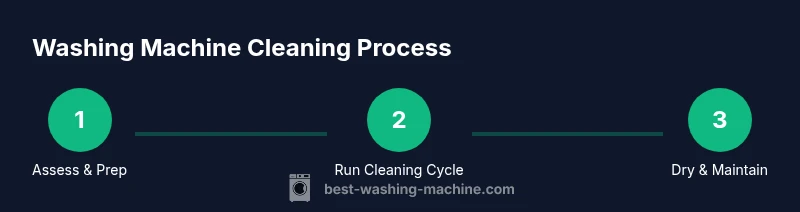
A robust cleaning routine combines preparation, a dedicated cleaning cycle, manual component care, and drying. This overview sets the foundation for the detailed steps below: prepare by gathering supplies and ensuring hoses are secure; run a cleaning cycle using an approved cleaner; wipe down the gasket, dispenser, and drum; rinse and air-dry the door area; finally, inspect hoses and seals and schedule your next clean.
Common mistakes and troubleshooting
Common mistakes include using too much cleaner, skipping the rinse cycle, and not drying the gasket after a wash. Leaving the door closed or the washer sealed while wet can foster mold growth. If you notice persistent odors, repeat the cleaning cycle with fresh water and adjust the cleaner amount. Troubleshooting odor often reveals trapped moisture in the gasket or a clogged dispenser. Address these promptly to avoid recurring issues.
How to set a cleaning schedule and track results
Integrate washer cleaning into your regular maintenance calendar. A quarterly deep clean works for many households, with a lighter monthly wipe-down of the gasket and door area. Maintain a simple log: note the date, method used, any odors or issues observed, and when you plan the next cleaning. Over time you’ll notice patterns—usage intensity, detergent type, and water hardness—that influence how often you should clean. This proactive approach helps avoid surprises and keeps laundry day running smoothly.
Final reminders for ongoing care
Keeping a washer clean is part of responsible home maintenance. Consistent care protects seals, hoses, and electronics while preserving energy efficiency and cleaning performance. By prioritizing regular cleaning, you reduce the risk of costly repairs and ensure consistently fresh laundry. Best Washing Machine team recommends pairing routine cleanings with gentle maintenance checks for hoses and seals as part of your home care routine.
Tools & Materials
- Microfiber cloths(For wipe-downs and dry surfaces)
- Old toothbrush or small soft brush(Gasket and dispenser crevices)
- Non-abrasive sponge(Gentle scrubbing around seals)
- White vinegar (5-6%)(Natural cleaner for buildup)
- Baking soda(Deodorizing booster and gentle abrasive)
- Hydrogen peroxide (3%)(Alternative for disinfection if approved)
- Manufacturer-approved washing-machine cleaner(Follow label directions)
- Spray bottle(Mix cleaners and apply to surfaces)
- Gloves(Protect hands during cleaning)
- Measuring cup(Accurate cleaner dosing)
Steps
Estimated time: 30-45 minutes
- 1
Gather supplies and prep
Collect all tools and cleaners. Unplug the washer if you will be reaching behind panels, and ensure the area is well-ventilated. Move laundry out of the way and remove any loose items from the drum.
Tip: Having everything at arm's reach saves time and keeps you focused. - 2
Run a cleaning cycle with a safe cleaner
Place cleaner or a vinegar solution into the drum or dispenser according to the product directions. Run a hot water cycle (or the hottest cycle available) to dissolve buildup. Stop the cycle at the end if the machine allows a soak time.
Tip: Avoid overfilling the dispenser; follow product directions to prevent foam overflow. - 3
Clean the gasket and dispensers by hand
Wipe the door seal with a damp microfiber cloth, and use the brush to scrub any mold or residue from folds. Remove and clean the detergent dispenser with warm water and a small brush to clear residue.
Tip: Pay attention to crevices where mold tends to hide. - 4
Rinse, wipe, and dry
Wipe all surfaces again with a clean damp cloth, then dry with a fresh microfiber. Leave the door or lid open to air-dry the drum and gasket after the cycle to prevent re-moisture.
Tip: Drying between uses greatly reduces odors. - 5
Inspect hoses and schedule next cleaning
Check inlet hoses for leaks or bulges and ensure clamps are secure. Schedule the next cleaning in 3–4 months, or sooner if you have hard water or heavy use.
Tip: If you notice leaks, stop using the machine and consult a technician.
FAQ
How often should I clean my washing machine?
Most households benefit from a deep clean every 1-3 months, depending on usage and water quality. Between deep cleans, a quick wipe-down after cycles helps maintain freshness.
Clean your washer every one to three months, with quick wipes between deep cleans to keep odors away.
Can cleaning prevent mold and odors?
Yes. Regular cleaning targets the gasket, drum, and dispenser areas where mold and residue often hide. Sufficient drying after cycles is also crucial.
Yes. Regular cleaning and drying prevent mold and odor buildup.
Is vinegar safe to use in washers?
Vinegar is effective for mineral buildup, but always check your manual. Use it in moderation and avoid mixing with bleach.
Vinegar can be helpful, but don’t mix it with bleach and follow manufacturer guidance.
Should I use bleach in my washing machine?
Bleach is only safe if your manufacturer approves it for your model. Many modern washers dislike frequent bleach usage due to rubber seals and hoses.
Only use bleach if your manual approves it; some models can be damaged by frequent use.
What if my washer smells after cleaning?
If odors persist, repeat a light rinse with fresh water, clean the gasket more thoroughly, and ensure the door can dry completely between cycles.
If odors linger, do a thorough rinse and dry the gasket; ensure air can circulate after use.
What’s the best way to handle front-load gasket mold?
Focus on the folded gasket with a brush and an approved cleaner. Leave the door ajar after cycles to promote drying and reduce mold recurrence.
Clean the gasket folds, and leave the door slightly open after cycles to dry out.
Watch Video
The Essentials
- Regular cleaning reduces odors and buildup.
- Use safe cleaners and avoid mixing chemicals.
- Front-load and top-load washers have different cleanable areas.
- Create a maintenance schedule to stay consistent.
- Document results to refine your routine over time.