What Time Can You Use the Washing Machine? A Practical Guide
Discover the best times to run your washing machine to save energy, reduce noise, and protect fabrics. Learn off-peak windows, scheduling tips, and practical strategies for any home.


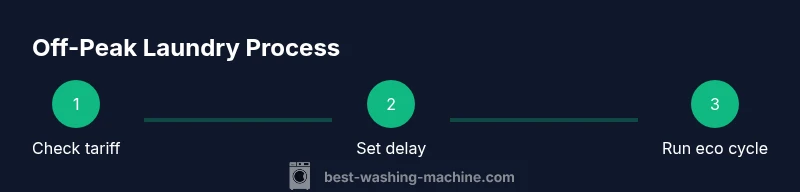
You can generally run your washing machine during off-peak hours when energy demand is lowest, but exact times depend on your utility tariff. Start by checking your electricity provider’s peak and off-peak windows, then set a timer or use delayed start to schedule cycles. Always consider noise, water usage, and appliance care.
Why the time question matters for washing machines
The question 'what time can you use the washing machine' isn't just about convenience—it's about efficiency, cost, and appliance health. The time you run a cycle affects how much energy is drawn from the grid, how hot the water gets, and how long the drum stays in motion. According to Best Washing Machine, selecting the right window can lower bills, reduce peak-load on the power grid, and minimize wear on your motor and belts. In regions with time-of-use pricing, running during off-peak hours can provide meaningful savings over the course of a month. Even if tariffs are flat, staggering loads across the week can prevent sudden surges in electricity demand and help your home stay comfortable during peak heat or cold days. Additionally, noise considerations matter: late-night or early-morning cycles can disturb neighbors or fellow household members. By understanding when to run your laundry, you get more consistent results and fewer interrupted cycles. Beyond energy costs, timing can influence detergent effectiveness, rinse quality, and fabric care. A well-timed wash routine also makes it easier to plan chores, forecast bills, and keep a predictable laundry schedule for busy households.
How time-of-use pricing shapes your schedule
Time-of-use tariffs assign different electricity prices to periods of the day. The idea is simple: power is cheapest when demand is low and pricier during peaks. If your utility uses this model, your washing schedule should align with the cheapest windows. Your bill or provider app will show peak, off-peak, and shoulder periods. In practice, you might notice that evenings or overnight hours cost less, but this varies by region and provider. The Best Washing Machine analysis shows that shoppers who set delayed-start cycles for late-night runs typically see the biggest savings on their monthly bills. When planning, consider your typical laundry load size, the energy intensity of chosen cycles (eco, normal, presets), and how long a cycle lasts. Remember that some machines heat water efficiently only when the drum is full, so avoid partial loads to maximize energy use. Finally, keep in mind that seasonal changes—like winter heating or summer cooling—can shift off-peak windows, so re-check tariff changes every few months. If you commute or work from home, align larger loads with days when you are already at home to supervise the cycle and avoid accidental interruptions.
Interpreting your utility bill and tariffs
To optimize timing, you need to understand your bill layout. Look for sections labeled energy charges by time blocks, demand charges, or rate tiers. If your provider uses a calendar-based plan, the off-peak window might shift with daylight saving time or seasonal demand. The easiest way to stay current is to check the provider's website or app, which often lists the current rate periods and any planned tariff changes. When you know the windows, you can set your washing cycles accordingly and avoid running during expensive hours. If your household has variability (kids, shift work), consider a smart timer and a predictive load feature that learns your patterns. Regardless of tariff, balancing loads and using eco-friendly cycles reduces energy waste and prolongs appliance life. For families trying to balance school schedules, work, and chores, consistent timing can become a helpful routine that lowers monthly charges and prevents late-night outages.
Practical steps to minimize energy use when you wash
Start with a plan to minimize energy waste: choose appropriate cycle, load full, and use cold water when feasible. Sorting clothes by fabric type prevents unnecessary rewashes and reduces cycle time. Selecting eco or energy-saver cycles can save significant energy per load, though dirtier items may require a longer wash. Pre-sorting also reduces the chance of over-wetting delicates, which may extend dry time later. If your machine supports it, enable a low-temperature wash and use a high water level only for heavy soiling. The Best Washing Machine team notes that modern washers are designed to optimize energy with responsive sensors, but you still should avoid frequent partial loads that nudge up per-pound energy usage. Finally, build a habit of pairing detergent use with appropriate cycle settings; the right combination improves rinse quality and reduces repeated washes due to residue.
Noise, night-running, and neighbor considerations
Running cycles at night may save energy and money, but it can also disturb others. Before scheduling late cycles, check your building rules, apartment guidelines, and family routines. If you have sound-sensitive bedrooms, choose cycles known for quiet operation and place the washer away from sleeping areas when possible. Some front-loading machines are quieter than traditional top-loaders, while high-spin cycles can cause vibration on older floors. Use anti-vibration pads or a stable level surface to minimize disturbances. In multi-family buildings, coordinating with neighbors about laundry days can improve relationships and prevent complaints. Above all, ensure your delayed-start window ends before morning activities begin, so you don’t wake others with a loud end of cycle and a half-wet load.
Smart scheduling with modern washers and energy awareness
Today's washers often include built-in timers, delay-start options, and eco modes that align with tariff windows automatically. If your model supports it, set a weekly plan that cycles through different loads to balance energy use. Consider using a smart home assistant or mobile app to monitor current rates and adjust your start times. For homes with solar or battery storage, you might tailor laundry to output peak times when excess solar is available, further reducing grid reliance. The appliance's data cycle end alerts can help you avoid late-night interruptions and ensure you can switch loads promptly. The Best Washing Machine team emphasizes that gradual implementation—starting with one delayed cycle per week—will yield sustainable savings without disrupting daily routines. Over time, you’ll build a predictable pattern that keeps bills down and keeps your clothes looking their best.
Quick-start checklist for any home
Use this 10-minute checklist to establish a baseline for off-peak laundry. 1) Locate tariff windows in your provider app. 2) Confirm your washer’s delayed-start capability. 3) Decide which cycles you’ll use during off-peak hours. 4) Run a test cycle to confirm timing and noise. 5) Record energy use and end-times for two weeks and adjust. 6) Create a simple weekly schedule and practice it. 7) Re-check tariff changes every 3-6 months. 8) Keep noise levels in check and share cycles with household members. 9) Sign up for alerts if supported by your utility. 10) Reassess load sizes to maximize efficiency.
Tools & Materials
- Washer with delayed start or timer(Ensure your model supports delayed start up to 24 hours.)
- Smartphone or clock with timer(To set the delay and monitor cycle times.)
- Access to utility tariff information(Find peak/off-peak windows in app or bill.)
- Laundry basket or hamper(Pre-sort clothes for efficient loading.)
Steps
Estimated time: 60-90 minutes
- 1
Identify tariff windows
Check your utility bill or app to identify off-peak periods and any seasonal variations. Note when rates are lowest and how long those windows last.
Tip: Match your longest cycles to off-peak times to maximize savings. - 2
Check washer timer/delay
Ensure your machine can delay the start for the required period. If needed, test a short delay to confirm timing accuracy.
Tip: Use a 4–6 hour delay for most cycles to align with evening off-peak usage. - 3
Load and cycle selection
Sort and load laundry to avoid partials, select eco or energy-saving cycles, and choose the cold or warmest water appropriate.
Tip: Full loads maximize energy efficiency per pound of laundry. - 4
Set the delayed start
Program the cycle to start during off-peak windows. Double-check end time to avoid running into morning/work hours.
Tip: Avoid starting just before dawn if you want quiet operation. - 5
Monitor the first run
Observe the first delayed run to confirm the timer and cycle finish times align with your plan.
Tip: Set a reminder so you won't forget when the cycle finishes. - 6
Optimize after the test
If energy use is higher than expected, adjust cycle selection or delay window and re-test.
Tip: Record the result for future planning. - 7
Maintain the schedule
Keep tariff information updated as rates change and update your timer settings accordingly.
Tip: Review tariff changes every 3-6 months.
FAQ
What is off-peak time for washing machines?
Off-peak times vary by utility and region. Check your tariff schedule in the provider app or bill to identify the cheapest windows for running laundry.
Off-peak times depend on your utility. Check your tariff in the app or bill to find the cheapest windows for laundry.
Can I run a load at night without disturbing others?
Yes, but consider cycle duration and your home's layout. Front-loading machines tend to be quieter; place them away from bedrooms if possible.
Yes, but check cycle length and layout. Front-loaders are often quieter.
Will using eco mode always save energy?
Eco modes reduce energy use by adjusting wash time and water temperature. They may extend cycle length, so assess trade-offs for delicate fabrics or heavy soiling.
Eco mode saves energy but may take longer; it's best for regular loads.
What if I forget to start during off-peak hours?
You can re-schedule or use a shorter cycle during a non-peak window. If needed, reset the timer and start again when rates are favorable.
If you forget, just re-schedule or start during the next off-peak window.
Does load size affect timing and energy use?
Yes. Full or nearly full loads maximize energy use per pound of laundry. Partial loads waste water and energy.
Load size matters—a full load is most efficient.
Watch Video
The Essentials
- Identify your off-peak windows before scheduling.
- Use delayed start to align with lowest tariffs.
- Choose eco modes and full loads for efficiency.
- Check tariff changes periodically and adjust timing.