What to Clean Washing Machine Mold With: A Practical Guide
Discover safe, effective methods to remove mold from your washing machine using vinegar, baking soda, hydrogen peroxide, and smart maintenance tips to prevent recurrence. Learn step-by-step routines, tools, and safety practices for a cleaner washer.


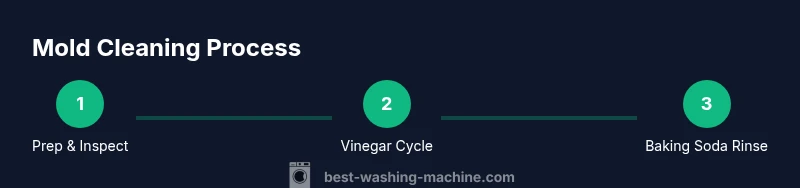
To clean washing machine mold effectively, start with a hot-water cycle using white vinegar, then follow with a baking soda rinse. Wipe the door gasket, detergent dispenser, and drum to remove visible growth. For stubborn mold, apply hydrogen peroxide to affected spots—never mix with bleach—and dry the drum thoroughly after each use to prevent recurrence.
Why Mold Forms in Washers and Why It Matters
According to Best Washing Machine, washers are prone to mold growth when moisture lingers in seals, gaskets, and hoses. The damp environment inside a front-loading drum, combined with residual detergent and fabric softener residues, creates an inviting habitat for mold spores. Left unchecked, mold can transfer to clothes, cause unpleasant odors, and irritate sensitive individuals. The goal of cleaning is not only cosmetic removal but also breaking the damp cycle that sustains mold. By understanding where mold hides—door boot seals, dispensers, and the tub rim—you can target the most common trouble spots and prevent recurrence with a simple upkeep routine.
Key places to inspect regularly include the rubber door seal, frost-free gaskets, and the detergent drawer. If you notice a musty smell, visible dark spots, or a slimy texture, treat it promptly. Beginning with a safe, non-bleach approach is often enough for routine maintenance, while stronger treatments can address stubborn colonies. A consistent cleaning schedule helps maintain hygienic operation and extends the life of your machine.
Cleaning Agents: What to Use and When
There are several agents commonly recommended for mold removal in washing machines. White vinegar is a trusted, non-toxic option that disrupts mold growth and helps dissolve mineral buildup. Baking soda provides gentle abrasive action and deodorizes the drum and seals. Hydrogen peroxide is a safe oxidizer that can tackle stubborn mold on non-porous surfaces without leaving harsh residues. Bleach is effective at killing mold but must be used with caution: never mix bleach with vinegar or ammonia, and ensure proper ventilation. For most routine cleanings, a sequence of vinegar wash, followed by a baking soda rinse, covers both disinfection and deodorization. In cases where mold has deeply penetrated gaskets or crevices, targeted application of hydrogen peroxide can be more effective. Always perform a final rinse to remove residue, then dry thoroughly.
Caution: avoid harsh chemicals on silicone seals or colored fabrics, and test any cleaner on a small area first. If you have a high-efficiency machine with sealed compartments, use cleaners that are compatible with your model and follow the manufacturer’s guidelines. After cleaning, ran a brief warm rinse to ensure no cleaner residues remain before using the washer again.
Prep Steps: Safety First
Safety comes first when tackling mold in any appliance. Begin by unplugging the machine and removing any laundry. Wear gloves and, if possible, a mask to avoid inhaling mold spores. Ventilate the area well by opening windows or turning on a nearby exhaust fan. Remove the detergent dispenser and inspect the detergent drawer for built-up residues. Clean the drawer separately with warm water and a small brush to prevent future mold growth. Make sure the area around the machine is dry and free from clutter to avoid slips or accidental contact with cleaning agents. By preparing properly, you reduce exposure risk and improve cleaning efficiency.
If your washer uses a plumbed water supply, you may also want to shut off the supply briefly during products application to avoid splashes. Gather your cleaning tools in advance so you don’t cross-contaminate other areas. Preparation reduces the chance of reintroducing mold spores into freshly cleaned surfaces and helps you complete the job more quickly.
Step-by-Step Cleaning Routine (Overview)
A structured cleaning routine makes mold removal predictable and repeatable. Start with a hot-water cleaning cycle using white vinegar to sterilize and loosen grime. Follow with a baking soda rinse to neutralize odors and loosen any remaining residues. Wipe and scrub the door boot, dispenser, and visible surfaces with a damp cloth or soft brush. For persistent spots, apply hydrogen peroxide to the affected areas and let it sit briefly before rinsing. Finally, dry the drum and gasket completely, and leave the door ajar after each use to facilitate air-drying. Regular maintenance—monthly or quarterly, depending on usage—helps prevent recurrences.
This overview provides a blueprint you can adapt to your washer model and local water conditions. Always refer to your user manual for model-specific cleaning guidance, especially if you own a high-efficiency or top-load machine with unique features. The goal is a mold-free interior that keeps clothes fresh and your appliance running efficiently.
Maintenance to Prevent Mold Recurrence
Prevention is simpler than remediation. After cleaning, adopt a routine that reduces moisture buildup. Wipe the gasket and drawer dry after each cycle and leave the door or lid slightly open to improve air circulation. Use the washer’s self-clean or maintenance cycle at regular intervals as recommended by the manufacturer. Regularly inspect hoses and clamps for signs of wear or leaks, which can introduce moisture into seals and create an environment conducive to mold. If your area has hard water, mineral deposits can also encourage mold growth, so consider periodic descaling as part of maintenance. Finally, consider running an idle cleaning cycle once a month to keep internal components dry and mold-free.
By combining immediate cleaning with ongoing prevention, you can minimize mold risks and keep odors at bay. Consistency matters; even small daily habits compound into a healthier appliance and cleaner laundry experience.
When to Seek Professional Help
If mold returns despite your best cleaning efforts, it may be time to consult a professional. Recurring mold after repeated cycles could indicate deeper issues such as damaged seals, a mold infestation inside the drum, or a faulty gasket that retains moisture. A technician can perform a thorough inspection, replace worn components, and advise on model-specific maintenance practices. If you notice persistent musty smells in the laundry area, visible mold beyond the gasket, or water leaks, professional help is warranted. Addressing these problems quickly protects your family’s health and preserves the machine’s longevity.
Tools & Materials
- White vinegar(5–8% household vinegar; use for initial cycles)
- Baking soda(Cleans and deodorizes; keep in pantry)
- Hydrogen peroxide(3% solution for spot treatment)
- Mild dish soap(For drawer and surfaces viewing to clean)
- Spray bottle(For applying cleaners to seals)
- Soft brush or old toothbrush(Gaskets and crevices)
- Microfiber cloths(Wipe and dry surfaces thoroughly)
- Gloves (rubber)(Protect hands from cleaners)
- Towels or rags(Drying surfaces and catching drips)
- Ventilation (fan/window)(Reduce inhalation exposure during cleaning)
Steps
Estimated time: 40-60 minutes
- 1
Power down and prep
Unplug the machine, remove laundry, and open the door to air out the drum. Clear the surrounding area of items that might get splashed. This prevents accidents and ensures you can access all surfaces.
Tip: Have your cleaning tools within reach before starting. - 2
Inspect and wipe gasket
Carefully inspect the door gasket for mold colonies. Wipe visible mold with a damp cloth and a mild cleaner. Use the soft brush for stubborn spots, and dry the area thoroughly.
Tip: Never tear or pull on the gasket; focus on the moldy areas gently. - 3
Run hot-water vinegar cycle
Pour or add white vinegar into the detergent drawer. Run a full hot-water cycle to dislodge grime and kill mold spores. This step helps to sanitize the tub and seals.
Tip: Do not mix vinegar with bleach; this creates harmful fumes. - 4
Rinse with baking soda
After the vinegar cycle, run a baking soda rinse to neutralize odors and break down residues. This step improves the overall cleanliness and leaves a neutral environment for the next loads.
Tip: Do not skip this step if you suspect odor buildup. - 5
Spot-treat stubborn mold
Apply hydrogen peroxide to persistent spots or moldy crevices on non-porous surfaces. Let sit for a few minutes, then wipe away. Rinse with a final hot-water cycle.
Tip: Test on a small area first to avoid discoloration. - 6
Wipe down and dry
Use microfiber cloths to wipe the drum, gasket, and door thoroughly. Leave the door ajar to air-dry. Drying prevents new mold growth between cycles.
Tip: Avoid leaving damp towels near the machine to prevent mold elsewhere. - 7
Maintenance routine
Schedule a monthly self-clean cycle or a quick clean weekly wipe-down of seals. Regular maintenance reduces the chance of mold returning.
Tip: Routine is more reliable than reactive cleaning. - 8
When to call a pro
If mold persists after repeated cleanings or you notice leaks, consult a technician. Persistent mold or gasket damage may require professional repair or replacement.
Tip: Address leaks promptly to prevent mildew from spreading.
FAQ
Can I use bleach to clean mold in a washing machine?
Bleach can be effective on non-porous surfaces, but it is harsh and can damage gaskets and seals. It’s safer to start with vinegar and baking soda, and only use a small amount of hydrogen peroxide if needed. Always ensure proper ventilation and never mix with other cleaners.
Bleach can work, but it can damage seals and release fumes, so start with gentler cleaners like vinegar and baking soda and use hydrogen peroxide if needed.
How often should I clean my washing machine to prevent mold?
Aim for a monthly self-clean cycle or a weekly wipe-down of the gasket and dispenser, depending on usage and moisture levels. Regular quick cleanings reduce moisture buildup and mold growth.
Clean the washer monthly or weekly, depending on use, to prevent mold.
What should I do if mold keeps coming back after cleaning?
Persistent mold may indicate a faulty gasket, door seal, or drainage issue. Inspect for leaks, ensure proper ventilation, and consider professional evaluation if the mold recurs after multiple cleanings.
If mold returns after cleaning, check seals and leaks and consider a professional check.
Is hydrogen peroxide safe on all washer surfaces?
Hydrogen peroxide is generally safe on non-porous surfaces, but test a small area first to avoid discoloration on plastics or seals. Use it for targeted spots and rinse well afterward.
Test a small area first; hydrogen peroxide is usually safe on non-porous surfaces but test before full use.
Can I prevent mold without running cycles every month?
Yes. Wipe seals and drawers dry after each use, leave the door ajar to air-dry, and use a quick weekly wipe-down routine. If you have hard water, consider periodic descaling as well.
Wipe and air-dry after each use and do a quick weekly clean to prevent mold.
What signs indicate a damaged gasket?
Look for persistent mold growth, cracking, or tearing around the door boot. A damaged gasket can harbor moisture and require replacement by a professional.
Watch for cracking or persistent mold around the door gasket; consider replacement if damaged.
Watch Video
The Essentials
- Identify mold-prone areas like the door gasket and dispenser.
- Use vinegar, then baking soda for safe, effective cleaning.
- Do not mix cleaners; ensure thorough drying after every cleaning.
- Establish a regular maintenance routine to prevent recurrence.
- If mold persists, consult a professional for deeper inspection.