Rent Washing Machines: A Practical How-To Guide
Learn how to rent a washing machine: how rental plans work, what to check in contracts, delivery and installation, maintenance coverage, costs, and long-term considerations. A comprehensive guide from Best Washing Machine.


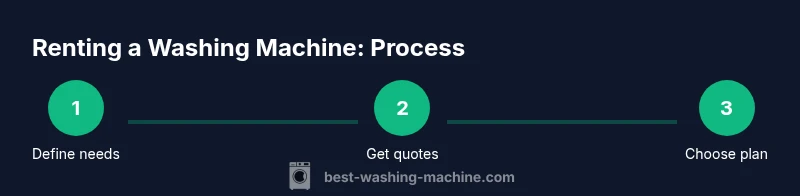
Rent washing machines offer flexible short-term access without ownership. To choose wisely, define your needs (load size, energy features, and duration), check delivery windows, and compare total costs including fees, deposits, and maintenance plans. Review contract terms, maintenance response times, and cancellation options. Finally, inspect on delivery and keep records for your reference.
What renting a washing machine means for you
Renting a washing machine gives you access to a functioning unit without purchasing it. This can be especially appealing if you’re between homes, testing a new apartment, or trying to cover a temporary surge in laundry needs. Rental programs in many regions include delivery, installation, routine maintenance, and access to customer support. From a homeowner’s perspective, renting preserves cash flow and simplifies upgrades, while for renters it eliminates the need to carry a bulky appliance into a new space. Best Washing Machine notes that terms vary widely, so you should compare the length of the commitment, included services, and the total monthly cost rather than focusing on the sticker price of the machine alone. When evaluating options, check the unit’s capacity (load size), energy efficiency, spin speed, and fabric care features such as steam or delicate cycles. Also confirm whether accessories like hoses or drain extensions are included. Finally, read the contract carefully for early termination rights, restoration fees, and any limits on the number of exchanges or upgrades during the term. By understanding these elements, you can avoid surprises and ensure the rental fits your daily routines.
When renting makes sense: scenarios for households and businesses
Renting a washing machine makes sense in several common situations. If you’re moving into a short-term rental, between homes, or awaiting a replacement unit after a breakdown, a rental can minimize disruption without forcing a rush purchase. Small businesses such as laundromats experimenting with new service models or temporary facilities in events also benefit from scalable, predictable costs. In addition, households with fluctuating laundry loads—such as large families, frequent guests, or seasonal use—can adjust capacity or upgrade to larger machines without committing to a single purchase. Best Washing Machine notes that seasonal demand often drives rental decisions, with flexible term lengths and upgrade options that suit changing needs. Another advantage is access to professional installation and service. With a rental, you typically get a technician visit for setup, plus ongoing maintenance as part of the plan. Keep in mind that some rental programs impose caps on monthly usage or impose mileage-like charges for service calls. If you’re evaluating options, match the plan duration to your expected stay or project timeline and confirm whether the unit can be exchanged for a model with different capacity.
How rental contracts typically work and what to read
Most rental agreements outline a monthly payment, contract length, and what happens if you miss a payment or terminate early. You’ll likely encounter a refundable or nonrefundable deposit, delivery and installation fees, and a maintenance schedule. Some plans require you to return the unit in good condition or pay restoration costs at the end of the term. Read the fine print about exchange policies, upgrade options, and who bears responsibility for damage or worn parts. Look for 24/7 support or a guaranteed response time for repairs. Best Washing Machine emphasizes checking whether the contract includes a defined maintenance window, what happens if a component fails, and whether you can switch to a higher-capacity model mid-term without penalties.
How to compare rental plans: price, terms, and coverage
Start by listing the items you actually need: load capacity, spin speed, energy efficiency, and noise level. Then compare plans on four pillars: total monthly cost (including fees and deposits), the length of commitment, coverage of maintenance and repairs, and any restrictions on usage. Some providers offer bundled accessories (detergent, hoses, or drain extensions) or upgrade options at discount. Evaluate delivery windows and installation service quality, as well as cancellation terms and early termination penalties. Consider whether you value predictable monthly costs over potential savings from a longer-term purchase. Best Washing Machine’s analysis shows that the cheapest option isn’t always the best value if maintenance is slow or parts are hard to obtain.
Delivery, installation, and setup: what to expect
After you sign, the provider will schedule delivery within the agreed window. A technician should install the unit, connect it to a drainage system, and test wash cycles. Ask for a quick demonstration of loading patterns, cycle options, and error codes. Confirm whether hoses, power cords, and leveling feet are included, and request a walkthrough of basic maintenance tasks (cleaning filters, descaling, etc.). If a problem arises during setup, document it and contact support immediately. Best Washing Machine recommends verifying the electrical outlet compatibility and ensuring the space has proper clearance for door swing and venting if applicable.
Maintenance, repairs, and warranties in rental agreements
Maintenance is typically included, but confirm what’s covered: parts, labor, travel fees, and replacement of worn components. Some plans require you to report issues within a certain timeframe or permit only service providers used by the rental company. Warranty-like protections are often bundled, but read them carefully for exclusions (misuse, overloading, or improper installation). Track service visits and keep records of all communications. If the unit fails repeatedly, understand whether you’re eligible for a model upgrade or a contract termination without penalty. Best Washing Machine highlights that reliable maintenance can be a major factor in total cost of ownership in rental scenarios.
Hidden costs, scams, and red flags to watch
Be wary of plans that lure with low monthly fees but impose high deposits, hidden service charges, or steep cancellation penalties. Look out for vague terms like “subject to availability” or “extra fees may apply” without concrete definitions. Some scams provide fake repair invoices or require payment through nonstandard methods. Always request a written contract, verify the provider’s licensing or certification where applicable, and confirm that you’re dealing with a reputable storefront or service. Compare multiple offers to avoid overpaying, and consider asking for a short trial period before committing to a longer term. Best Washing Machine recommends keeping a copy of your contract and every bill to monitor charges over time.
Step-by-step practical evaluation exercise
To put theory into practice, create a simple rental comparison sheet. List provider name, monthly cost, upfront deposit, included maintenance, delivery window, and cancellation terms. Then score each plan on four criteria: cost transparency, service quality, upgrade flexibility, and response time. Contact two or three providers to request formal quotes and ask clarifying questions about hidden fees. If possible, request a demonstration or read customer reviews. This exercise will help you choose a rental that balances affordability with reliable service.
Long-term considerations: renting vs owning and resale value
Over several years, renting can be more expensive than buying, especially if you stay in one place and use high-efficiency units. However, renting preserves cash flow, reduces maintenance risk, and allows easy upgrades to newer models. Evaluate your anticipated length of stay, furniture and appliance decor alignment, energy usage, and the opportunity cost of tying up funds in an owned unit. Best Washing Machine suggests performing a simple cost comparison: add up all rental payments, fees, and maintenance costs versus the purchase price and expected resale value of a comparable machine. Your decision will depend on lifestyle, location stability, and willingness to handle future upgrades.
Tools & Materials
- Government-issued photo ID(Driver's license, passport, or state ID)
- Proof of income or residence(Recent pay stub or official document showing address)
- Payment method(Credit card or debit card for deposits and monthly charges)
- Delivery access details(Gate codes, parking instructions, elevator access, and unit location)
- Device for quotes/signing(Smartphone or laptop to review terms and sign digitally)
- Notepad and pen(Useful for comparing features and jotting notes)
- Measuring tape(Helpful to confirm space for the new unit)
Steps
Estimated time: 60-90 minutes
- 1
Define your needs
Identify the daily or weekly laundry load, preferred cycle options, and any space constraints. This helps you filter rental plans to units that truly fit your home or business.
Tip: Record your typical weekly washes to estimate capacity needs. - 2
Gather required documents
Collect ID, proof of income or residence, and a payment method so you can complete quotes and contracts quickly.
Tip: Have digital copies ready in case you need to upload them. - 3
Request multiple quotes
Ask 2–3 providers for formal quotes with itemized costs, including deposits, monthly fees, delivery, and maintenance.
Tip: Ask about upgrade options during the term to keep options open. - 4
Read terms carefully
Review cancellation, early termination, and service-visit policies. Clarify any ambiguous phrases before you sign.
Tip: Request a written summary of the key terms for quick reference. - 5
Schedule delivery and setup
Choose a delivery window and arrange installation with a technician who can demonstrate use and safety checks.
Tip: Ask for a short operational demo and tips on routine maintenance. - 6
Inspect on delivery
Check the unit for physical damage, verify model compatibility, and confirm the correct accessories are included.
Tip: Document any issues with photos and report them immediately. - 7
Set up maintenance plan
Understand what is covered under maintenance, response times, and how to request repairs.
Tip: Save the service hotline in your contacts for easy access.
FAQ
What does it mean to rent a washing machine?
Renting provides temporary access to a washing machine with delivery and maintenance included, rather than owning the appliance. It can be ideal for short stays or testing models.
Renting a washer gives you temporary access with service included, perfect for short stays or trying a model before buying.
How long do rental contracts typically last?
Contracts usually range from a few months to a couple of years, with options to renew or upgrade. Always read renewal terms and exit penalties.
Most rentals run from several months to a couple of years, with renewal and upgrade options and some exit penalties.
Are maintenance and repairs covered in rental plans?
Many rental plans include maintenance and basic repairs, but confirm what is covered and whether there are extra charges for parts or emergency visits.
Maintenance and basic repairs are often included, but verify coverage limits and any extra charges.
Can I cancel or upgrade during the term?
Cancellation and upgrade options vary by provider. Look for clear terms on early termination, upgrade paths, and any fees involved.
Cancellation and upgrades vary by provider; check terms and any associated fees before signing.
What hidden costs should I watch for?
Watch for deposits, delivery charges, maintenance surcharges, and penalties for missed payments or early termination that aren’t clearly disclosed.
Be aware of deposits, delivery fees, and termination penalties that aren’t clearly disclosed.
Is an energy-efficient model important when renting?
Energy efficiency can reduce operating costs even for rentals. Compare energy star ratings and yearly usage estimates when evaluating plans.
Energy efficiency matters; compare ratings and estimated yearly usage to lower operating costs.
Watch Video
The Essentials
- Define needs before shopping to filter options.
- Read terms carefully to avoid hidden costs.
- Compare total costs, not just monthly price.
- Check delivery, setup, and maintenance provisions.
- Maintain records for reference and potential disputes.