Whirlpool Replacement Parts for Washing Machines: Buy, Compare, Fix
Explore Whirlpool replacement parts for washing machines with an analytical lens. Learn OEM vs aftermarket choices, verify compatibility, compare pricing ranges, and understand warranties to repair efficiently.


Choosing Whirlpool replacement parts for a washing machine hinges on compatibility with your model, the quality of the part (OEM vs aftermarket), price range, and warranty terms. OEM parts fit best and last longer, but aftermarket options can save money with caveats. Always verify model numbers and return policies before buying.
What to know about Whirlpool replacement parts
Whirlpool replacement parts for washers come in OEM (genuine Whirlpool) and aftermarket variants. The key questions are: Will the part fit my exact model? Does the part meet electrical, water, and vibration standards? What is the expected lifespan? This section explains how to evaluate parts using model numbers on the appliance data label, cross-reference part numbers with Whirlpool catalogs, and assess compatibility beyond the sticker. According to Best Washing Machine, focusing on model compatibility and warranty terms reduces returns and frustration. Different Whirlpool model families share common components, but the connectors, seals, and control boards differ. For homeowners, verifying the exact part number via the user manual, the rating plate, and the Whirlpool parts lookup page is essential. When customers choose aftermarket parts, they should check the seller's return policy and guarantee. If you rely on technicians, confirm they will use OEM parts or approved equivalents. In 2026, the field emphasizes documented compatibility and transparent warranties as the primary drivers of satisfaction.
OEM vs aftermarket: Pros and Cons
OEM parts offer the strongest assurance of fit and electrical compatibility, plus alignment with Whirlpool's warranty terms. They tend to be pricier, especially for electronics and pumps, but the confidence they provide for safety-critical components is valued by many homeowners and repair pros. Aftermarket parts, by contrast, can reduce upfront costs and improve availability, which is helpful for older or less common Whirlpool models. Quality varies by supplier, so vet brands with documented testing and reliable return policies. If you choose aftermarket, target non-critical wear items (like belts or gaskets) and select vendors with clear cross-reference data and customer support. In practice, the decision often hinges on part type, repair urgency, and the seller’s reputation. Where possible, opt for components with verified compatibility and test results from independent labs. A careful install and routine maintenance can extend life even for budget replacements.
How to verify compatibility with your Whirlpool washer
Start with the model number found on the rating plate inside the door frame or on the rear of the unit. Use Whirlpool's official parts lookup or a reputable retailer to cross-check the exact part number. When comparing, confirm connector types, voltage, and fastening configurations, not just the part name. If you see multiple cross-reference numbers, choose the one matching your model family and firmware level. Check whether the part is listed as OEM or aftermarket and read warranty terms. Finally, if possible, view installation videos or manufacturer guidelines to ensure proper fit and safety. This diligence avoids returns and mismatched parts across Whirlpool’s model generations.
Common replacement parts and failure indicators
Certain components wear out faster depending on usage, water hardness, and maintenance. Water inlet valves may drip or fail to fill; door seals (gaskets) can crack and leak; drain pumps may clog or hum; belts can wear or slip; control boards can fail during cycles. Listen for unfamiliar noises, observe leaks, and watch for error codes on the control panel. When symptoms appear, verify the part number against your model’s documentation and check that you’re buying the right version (some parts vary by washer family). Keeping extra gaskets, belts, and filters on hand can reduce downtime. Regular checks of hoses and connections also prevent small issues from becoming costly failures.
Sourcing, pricing, and warranty considerations
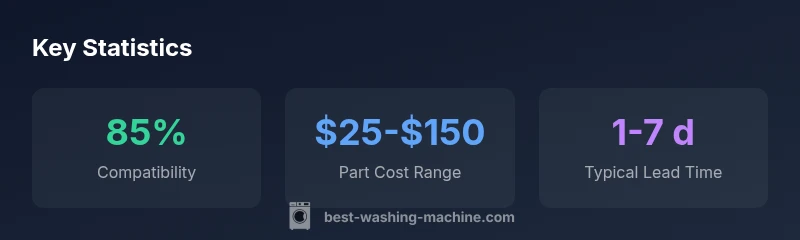
Develop a sourcing plan that includes official Whirlpool parts portals and trusted resellers with clear return policies. Pricing for Whirlpool replacement parts ranges widely by part type and generation, so plan for a broad budget and compare total costs, including shipping and taxes. Review warranty coverage for each part; OEM items often come with longer or more comprehensive guarantees than aftermarket substitutes. Ask whether the seller offers a warranty on refurbished or remanufactured parts and whether installation services are covered. A documented warranty helps you recover faster from a failure and reduces the risk of hidden costs.
Installation, safety, and basic troubleshooting
Prioritize safety: unplug the washer, turn off water supply, and relieve any residual pressure before starting work. Gather the right tools and consult manufacturer guidelines or professional instructions for the specific Whirlpool part you’re replacing. Take photos during disassembly to aid reassembly and double-check all electrical connectors and hoses for leaks after installation. If you’re not confident, consider hiring a professional; improper installation can void warranties or cause damage. After installation, run a test cycle with a small load to verify proper operation and leak-free performance.
Maintenance tips to extend part life
Prevent premature wear by performing basic maintenance: clean filters, inspect hoses for signs of wear, and replace worn gaskets before leaks form. Use a water-softening strategy if your area has hard water to reduce mineral buildup on valves and seals. Regularly inspect the door seal, pump, and hoses after every few cycles, especially in older machines. A simple, proactive approach can save money over time and keep Whirlpool replacement parts performing at their best.
How Best Washing Machine approaches replacement parts (data-driven)
Our data-driven approach emphasizes model-accurate compatibility, warranty alignment, and cost-effectiveness when advising homeowners on Whirlpool replacement parts. We compare OEM against reputable aftermarket options, stressing the importance of cross-referenced part numbers and documented performance tests. By aggregating supplier data, user reviews, and repair outcomes, we provide guidance that minimizes downtime and maximizes reliability. In practice, this means favoring OEM for critical components while reserving aftermarket options for non-critical wear items, supported by transparent return policies and warranty terms.
Quick decision checklist for Whirlpool replacement parts
- Confirm model number and exact internal reference for the part.
- Decide between OEM and aftermarket based on part criticality and budget.
- Verify compatibility, voltage, connectors, and firmware if electronics are involved.
- Check the seller’s warranty and return policy before purchase.
- Review installation requirements and consider professional help for complex components.
- Schedule a test run after installation and monitor for leaks or error codes.
Whirlpool replacement parts: lifespan, price ranges, and OEM availability
| Part Type | Typical Lifespan | Typical Cost Range | OEM Availability | Notes |
|---|---|---|---|---|
| Water inlet valve | 5-10 years | $25-$120 | High | Critical part; ensure correct model fit |
| Door seal (gasket) | 2-7 years | $20-$90 | High | Leak prevention; inspect regularly |
| Drive belt | 3-7 years | $10-$40 | Medium | Check for wear; some models use idler pulleys |
FAQ
Do I need OEM Whirlpool parts or are aftermarket parts okay?
OEM parts offer guaranteed compatibility, but aftermarket options can work for non-critical components. Always verify compatibility and return policies.
OEM parts fit best and are safer for critical components; aftermarket parts can work for some items if compatibility is confirmed.
How can I verify model compatibility?
Find the washer's model number on the data label, then cross-check Whirlpool's official parts database or trusted retailers for the exact part number.
Check the model number and cross-reference it with the official Whirlpool parts lookup.
Where can I find reliable Whirlpool replacement parts?
Use Whirlpool's official parts portal or reputable retailers. Read return policies and ensure the seller lists the exact model number.
Shop from official or trusted sources with accurate model matching.
What warranty should I expect on replacement parts?
Warranties vary by part type and vendor. OEM parts typically include some warranty; always confirm duration before purchase.
Warranty length varies; verify before buying.
What are common signs that a part needs replacement?
Common signs include leaks, unusual noises, failure to start, or poor draining. Inspect and test parts with manufacturer guidelines.
Look for leaks, noises, or failure to function properly.
How long does shipping typically take for Whirlpool parts?
Shipping times vary by seller and location, but expect a range from a few days to a week.
Delivery times depend on the seller; plan ahead.
“When replacing Whirlpool parts, fit and warranty matter as much as price, and documentation matters for long-term reliability.”
The Essentials
- Prioritize model compatibility when buying Whirlpool parts
- OEM parts tend to offer better fit and warranty
- Compare prices and return policies before purchase
- Verify part numbers with official sources to avoid mismatches