Can a Washing Machine Share a Waste Pipe? A Practical Guide
Learn whether a washing machine and dishwasher can share a waste pipe, including code considerations, installation options, and step-by-step guidance to prevent backflow and contamination.


Sharing a waste pipe between a washing machine and a dishwasher is possible only under strict conditions. You’ll need the right pipe sizing, an appropriate venting arrangement, and proper backflow protection to prevent siphoning or cross-contamination. In many jurisdictions, tying appliances into a single drain requires a licensed plumber and adherence to local plumbing codes.
What this question means: shared waste pipe basics
A shared waste pipe is a single drain line used by more than one appliance. When planning this, you must understand how wastewater flows, how traps and vents prevent sewer gases from entering the home, and how a single line handles peak discharge from both machines. The central idea is to prevent backflow, siphoning, and cross-contamination between the appliances. In practice, homeowners often ask if a washer and a dishwasher can share a drain; the answer hinges on plumbing design, local codes, and the capabilities of the existing waste system. If you decide to pursue a shared setup, plan for future access, serviceability, and code compliance. The Best Washing Machine team notes that shared drainage requires cautious assessment and professional guidance to ensure safety and reliability.
Why shared drains are not always allowed
Many building codes restrict how drains can be shared, especially when multiple appliances discharge into a single line. The concern is backflow into the wrong appliance, siphoning traps dry, or creating cross-contamination pathways. Regulations often demand dedicated venting for each device, backflow protection devices, and specific trap arrangements. Even where allowed, the setup must be inspected and approved by a licensed plumber or local authority. The stakes are not just compliance; improper sharing can lead to foul odors, mold growth, and costly water damage. Best Washing Machine analysis shows that code-adherent designs succeed because they address venting needs, trap integrity, and accessible cleanouts.
Key plumbing concepts you must understand
To assess feasibility, you need a handle on several core concepts: trap design and venting, gravity drainage, slope for wastewater, backflow protection, and cleanout accessibility. A shared system must maintain proper trap seals to prevent sewer gas infiltration, maintain adequate venting to avoid pressure buildup, and include a method to prevent backflow from one appliance into the other. Understanding these ideas helps you distinguish between a functional plan and a risky shortcut. The literature emphasizes that venting and trap integrity are not optional details—they are the backbone of a safe, compliant installation.
How to assess your current setup
Begin with a thorough evaluation of your existing plumbing. Check whether the current dishwasher and washer already have individual drains, traps, and vents. Look for an accessible cleanout, verify that the main drain has appropriate slope, and inspect the distance from each appliance to the waste line. If the current path is cramped or lacks a vent, a shared solution becomes more complex. In some cases, upgrading to separate vents or adding a dedicated branch for one appliance becomes necessary. This assessment informs whether you can proceed with a shared waste pipe or if a dual-drain arrangement is required by code.
Design options: dedicated vs shared drain
There are three common approaches: (1) maintain separate drains and an independent vent for each appliance; (2) install a shared waste pipe with a dedicated vent for each device; or (3) use a combination with backflow prevention valves and a robust cleanout. The decision depends on available space, pipe sizing, and local regulations. A safer path is to keep the appliances on separate drains if your home’s framework doesn’t readily support a code-compliant shared system. The Best Washing Machine team recommends consulting a licensed plumber to evaluate structural constraints and ensure the chosen design aligns with your jurisdiction’s requirements.
Sizing and components: traps, air gaps, and vents
A well-designed shared drain relies on correct sizing, proper placement of traps, and adequate venting. Traps prevent gases from entering the living space, while vents prevent pressure buildup that can siphon traps. Air gaps or backflow prevents devices from pushing dirty water back into the other appliance. Components to consider include an appropriately placed trap, a vent branch, a cleanout, and, where required, a backflow prevention valve. Avoid DIY shortcuts that bypass venting or trap integrity, as they raise health and safety risks.
Installation considerations and common mistakes
If you move forward with a shared drain, plan for accessible access panels, future service, and anti-backflow measures. Common mistakes include skipping venting, undersizing the pipe, not providing a cleanout, and attempting a backflow solution that relies on gravity alone. Before cutting into walls or floors, confirm the wall and floor cavities allow for correct slope and support. The right installation emphasizes code compliance, safe venting, and easy maintenance. Always account for potential future appliance upgrades when choosing a layout.
Maintenance and safety: preventing backflow and contamination
Maintenance is essential for a shared drain. Periodically inspect for leaks at joints, ensure traps remain primed, and verify vent function. Listen for unusual gurgling noises, which can indicate a partial clog or venting issue. Keep drains clear of debris from both appliances, and schedule annual checks with a licensed plumber to confirm backflow prevention devices are functioning. Poor maintenance can convert a shared drain into a source of contamination and odor, especially in households with high-volume laundry.
When to hire a professional
Because shared waste pipe configurations involve code compliance, venting, and backflow considerations, a licensed plumber is often the safest route. A professional can assess the existing setup, design a compliant shared-drain or dual-drain arrangement, size components, and perform the installation to local standards. If you are renting, consult your landlord or property manager and obtain written permission before initiating work. Having a professional handle the project reduces the risk of leaks, sewer gas exposure, and costly revisions later.
Summary of practical steps you can take now
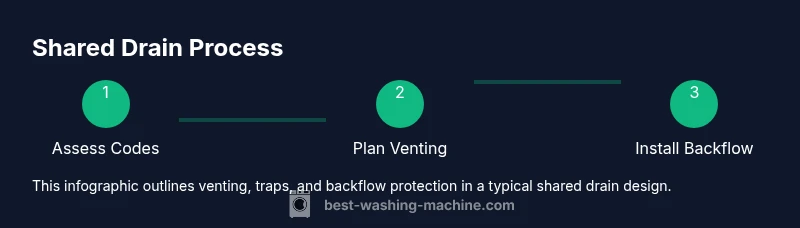
First, check local codes and confirm whether a shared drain is permissible in your area. Second, evaluate your current plumbing to determine whether a dedicated vent or separate drain is needed. Third, consult a licensed plumber to design a compliant plan that includes proper venting, traps, and backflow protection. Finally, prioritize maintenance and safety; never skip venting or trap seals, and avoid DIY fixes that bypass code requirements.
Tools & Materials
- Adjustable wrench(For tightening nuts and fittings on traps and vent connections)
- Pipe wrench(Helpful for larger fittings and steel components)
- Plumber's tape (Teflon)(Seal threaded connections to prevent leaks)
- Pipe cutters or hacksaw(Create clean pipe cuts in copper/PEX/ABS)
- Hammer or mallet(Light taps to seat fittings without damage)
- PVC/ABS/PEX pipe (appropriate type)(Match existing system material)
- Pipe cleaner/primer and cement (if required)(Only for solvent-wused systems; follow manufacturer guidance)
- PVC glue or solvent cement(Use only if your system requires it)
- Bucket and rags(Contain spills and keep area clean)
- Measuring tape and marker(Mark cut lines and slope requirements)
- Level(Ensure proper drainage slope and alignment)
- Vent-cap and backflow limit device(Install if code requires backflow protection)
Steps
Estimated time: 3-6 hours
- 1
Assess local codes and permits
Review your city or county codes to determine whether a shared drain is allowed and what venting or backflow protections are required. This step sets the legal groundwork for the project.
Tip: Call your local building department to confirm requirements before purchasing materials. - 2
Evaluate the existing drain layout
Map out the path from both appliances to the main waste line. Look for accessible vents, traps, and cleanouts. Note any cramped spaces that may complicate a shared design.
Tip: Take photos and measurements for reference when discussing options with a plumber. - 3
Choose a compliant design option
Decide between dedicated vents with a shared drain or separate vents with independent drains. The choice depends on space, current venting, and code constraints.
Tip: In most cases, a dual-vented solution reduces risk and simplifies maintenance. - 4
Plan for venting and backflow protection
Identify where vents will be placed and whether backflow prevention devices are required. Proper venting prevents siphoning and protects trap seals.
Tip: Avoid creating a dead-end vent that traps air; ensure a continuous vent path. - 5
Prepare the workspace
Shut off water supply and power to both appliances. Clear the area and protect flooring. Have a bucket ready for spills and gather tools.
Tip: Turn off circuits to prevent accidental shocks if working near outlets. - 6
Install or modify traps and connectors
Install traps in each appliance line and connect to the shared drain path with the correct fittings. Ensure a cleanout is accessible for future service.
Tip: Do not omit a cleanout; it is essential for maintenance. - 7
Add venting per plan
Install the vent branches per the design, ensuring they connect above the highest trap and remain accessible. Venting is critical for proper drainage.
Tip: Consult the code to determine the minimum vent length and height. - 8
Install backflow protection if required
Place the backflow valve or air gap device as specified by code. This prevents dirty water from entering the other appliance.
Tip: Test the device after installation to confirm it operates freely. - 9
Conduct tests and inspection
Fill the washers and run cycles to test drainage and check for leaks. A final inspection by a licensed plumber can confirm code compliance.
Tip: Check for slow drains, gurgling, or leaks during the test run.
FAQ
Is it legal to share a waste pipe for a washing machine and dishwasher in all municipalities?
No. Local codes vary, and many jurisdictions require separate vents or dedicated drains. Always check with the local building department and obtain any necessary permits before starting work.
Local codes vary, so check with your building department. Permits may be required before starting any work.
What are the main risks of a shared drain?
Backflow into one appliance, siphoning of traps, sewer gas entry, and increased odor are common risks if venting and traps are not correctly implemented.
Backflow, siphoning, and sewer gas can occur if the system isn’t vented and trapped properly.
Do I need a plumber to do this work?
Often yes. A licensed plumber ensures code-compliant venting, trap placement, and backflow protection, reducing the risk of leaks and future failures.
A licensed plumber is usually required to ensure the setup is safe and code-compliant.
Can I retrofit vents after the fact if I already have a shared drain?
Yes, but it can be complex. Retrofitting requires careful planning to add vent branches without compromising existing plumbing and structural elements.
Venting can be added later, but it may be tricky and costly; consult a pro.
What maintenance is required for a shared drain?
Regular inspections of traps, vents, and backflow devices help prevent leaks and odors. Address clogs promptly and avoid chemical drain cleaners that can damage pipes.
Inspect traps and vents regularly and address clogs early to keep the system healthy.
What’s an alternative to sharing a waste pipe?
Separate drains or dedicated vented branches for each appliance are common alternatives that reduce risk and simplify maintenance.
Using separate or independently vented drains is often easier and safer.
Watch Video
The Essentials
- Assess local codes before starting any shared-drain plan
- Vent and trap integrity are non-negotiable requirements
- A licensed plumber is often the safest route for this project
- Prioritize access, maintenance, and future-proofing in the design