Can You Use a Washing Machine If the Boiler Fails? A Practical Troubleshooting Guide
Can you use a washing machine when the boiler is not working? This urgent guide covers safety, cold-water solutions, and practical troubleshooting to keep laundry moving without hot water.


Yes, you can usually run a washing machine without a working boiler because many machines heat water themselves or rely on a cold-water inlet. If your home relies on boiler-heated water, hot cycles may be unavailable until the boiler is repaired. Verify the cold-water supply and safety guidelines before starting a cycle.
Can You Run a Washing Machine Without a Working Boiler?
Yes—most modern washing machines can operate on cold water even when the boiler is down. If your household hot water comes from the boiler, you may lose hot wash cycles, but cold cycles typically still run. Before you start, verify the cold-water inlet is connected and the supply valve is open. The situation is common during boiler downtime, and a careful cold-water approach can keep laundry moving while you arrange boiler service. Always follow manufacturer guidance for your model and avoid forcing cycles that require hot water when the boiler is offline.
How Your Home's Water Heating Setup Impacts Laundry
A home's water heating arrangement varies widely. Some systems use a combi boiler that directly heats water on demand; others store hot water in a cylinder, while some rely on a separate electric water heater. When the boiler isn’t working, a combi system may leave you with cold water only, or with limited hot water. Laundry routines shift accordingly: cold-wash programs become your default, while any cycle that demands hot water should be postponed until the boiler is repaired. Understanding your setup helps you decide whether to proceed with a cold wash or wait for service.
Safety First: What to Check Before Running a Cycle
Before you power up the washer, perform quick safety checks:
- Ensure the washer is plugged into a grounded outlet and the door seals properly.
- Confirm that only cold water is used if hot water is unavailable; make sure the cold inlet hose is connected and the valve is fully open.
- Inspect hoses for leaks or kinks, and keep the area dry to prevent slip hazards.
- If you have gas-powered boiler equipment nearby, verify carbon monoxide detectors are functional and do not run cycles in a closed space with potential gas leaks.
- Do not bypass electrical safety devices or alter the machine’s wiring to compensate for boiler downtime. Following these checks reduces risk while you work through the boiler outage.
Quick Checks You Can Do Without Tools
- Verify the cold-water supply valve is fully open and the hose is securely attached to the washer.
- Confirm the detergent drawer is clean and not blocked, which can stop a cycle from starting.
- Check the door lock mechanism; if the door won’t latch, the washer won’t start.
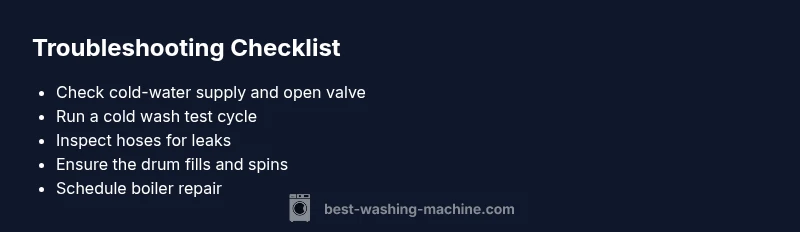
- Run a short cold-water test cycle with a small load to confirm water fills and the drum spins. If it fills and tumbles, you’re ready for real loads using cold water only.
- Keep the area around the washer clear and ensure proper ventilation to prevent overheating or moisture buildup.
When to Avoid Using the Washer Until the Boiler Is Fixed
If your boiler failure affects more than hot water—such as central heating or radiators—you may want to delay using hot water-dependent appliances until repair. Running hot-water cycles repeatedly can mask larger system issues or cause the appliance to work harder than designed. If you notice unusual noises, odors, gas smells, or the boiler has tripped a safety switch, stop using the unit and contact a licensed technician immediately. Always prioritize safety and do not attempt risky makeshift heating methods to compensate for boiler downtime.
Alternatives and Practical Tips
- Use cold-wash programs for most fabrics; most loads will still be clean with cold cycles, saving energy and protecting clothing.
- Consider washing smaller loads more frequently if you’re limited to cold water; this reduces cycle time and avoids overloading the machine.
- If you must wash heavily soiled items, you can perform a pre-rinse with cold water and use a detergent designed for cold-water cleaning.
- Schedule boiler service promptly and ask your technician to verify that there are no electrical or plumbing hazards associated with the outage.
- Maintain a regular maintenance routine for your washer to prevent future trips during boiler downtime, including cleaning lint filters and checking inlet valves.
How to Prepare for a Boiler Visit as a Homeowner
Have your boiler model number, age, and a summary of symptoms ready for the technician. Document what you’ve tried on the washer, including which cycles were used and whether cold water only was available. If you have multiple dwellers, ensure everyone understands the temporary shift to cold-water washing. The cleaner you are with system information, the faster the repair can proceed and the sooner you can restore hot-water functionality for a full laundry routine.
Steps
Estimated time: 15-25 minutes
- 1
Verify cold-water supply
Check that the cold inlet hose is connected to the washer and the shut-off valve is fully open. Run a quick cold-fill test to ensure water enters the drum.
Tip: If there’s no cold water, the problem could be a valve or supply line—don’t force the machine to start. - 2
Set to cold wash only
Choose a cold-free cycle and load a small amount of laundry to confirm the machine operates on cold water without issues.
Tip: Avoid cycles that require hot water until the boiler is repaired. - 3
Inspect for leaks and blockages
Look for leaks around hoses and the door seal. Clear any lint filters or detergent buildup that could block flow.
Tip: Even small blockages can prevent a cycle from starting. - 4
Test a full cold cycle
Run a normal cold wash with a typical load to ensure the washer can complete cycles on cold water.
Tip: If the cycle stops, note any error codes for reference when contacting support. - 5
Plan boiler service
Contact a licensed boiler technician to diagnose the outage and restore hot-water supply as soon as possible.
Tip: Request safety checks for gas lines, electrical, and venting to prevent future hazards.
Diagnosis: Washing machine won't run or won't fill with hot water while boiler is down
Possible Causes
- highBoiler outage causing no hot water supply, affecting hot cycles
- mediumWasher set to hot water or a cycle requiring hot water
- lowCold-water inlet valve closed or hose kinked
Fixes
- easySwitch to cold-water washes and run a test cycle to confirm cold fill works
- easyOpen the cold-water inlet valve and ensure hoses are not blocked
- mediumReset or check the boiler and arrange service to restore hot water
FAQ
Can I run a hot wash if the boiler isn’t working?
Hot washes require hot water, which usually comes from the boiler. If the boiler is not working, you should avoid hot-water cycles and use cold water instead until the boiler is repaired.
Hot washes require hot water, which isn’t available when the boiler is down. Use cold water until the boiler is repaired.
What should I check first if the boiler fails?
Check the power supply and the boiler’s safety switches. Confirm there’s cold water supply to the washer and that the heating system isn’t blocked or shut off.
First check power, safety switches, and whether cold water is still flowing to the washer.
Is it safe to heat water externally to run a cycle?
External heating methods are not recommended for standard washing cycles; use cold water and contact a professional for boiler repair.
External heating isn’t recommended—stick to cold water and call a pro for the boiler.
When should I call a boiler technician?
Call a licensed boiler technician as soon as possible if the boiler shows signs of malfunction, gas issues, or safety concerns. Do not attempt risky DIY fixes.
Call a licensed boiler technician if you notice any malfunction or safety concerns.
Will running cold-water washes waste more energy?
Cold-water washes typically use less energy and are gentler on clothes, which can be advantageous during boiler downtime.
Cold washes usually save energy and are easier on fabrics.
Watch Video
The Essentials
- Run washes on cold water when the boiler is down.
- Check the cold-water inlet and supply first.
- Avoid hot-water cycles until boiler repair is complete.
- Schedule boiler service promptly to restore full functionality.