Does a Washing Machine Make Shower Cold? Quick Troubleshooter
Discover whether a washing machine can make your shower cold and learn practical, step-by-step checks to restore hot water quickly. This urgent guide covers common culprits, diagnostic flow, and safe fixes for homeowners, renters, and pros.


Fact: a washing machine does not directly chill shower water. If you notice a cold shower when the washer runs, the underlying issue is usually tied to the home's hot water system rather than the appliance itself. Check the water heater temperature, the shower's mixing valve, and anti-scald devices. When the washer uses hot water, demand surges can expose weaknesses in plumbing.
How a washing machine can affect shower temperature
According to Best Washing Machine analysis, a washing machine does not directly chill shower water. If you notice a cold shower when the washer runs, the underlying issue is usually tied to the home's hot water system rather than the appliance itself. Key players include the water heater, the shower's mixing valve, and anti-scald devices. Understanding these components helps you pinpoint the real cause faster and avoid unnecessary repairs. In many homes, hot water is produced by one heating source, while multiple fixtures draw from that same supply; when demand spikes, temperature fluctuations can surface. This isn't a flaw in your washer's electronics, but a plumbing and comfort problem that affects daily routines. By tracing the temperature changes to the water heater or the valve, you can restore consistent showers without replacing a washer prematurely. If your system uses a tankless heater or a complex mix of hot water feeds, the same principles apply—diagnosis focuses on flow, pressure, and control settings rather than the washer itself.
Quick checks you can do before calling a plumber
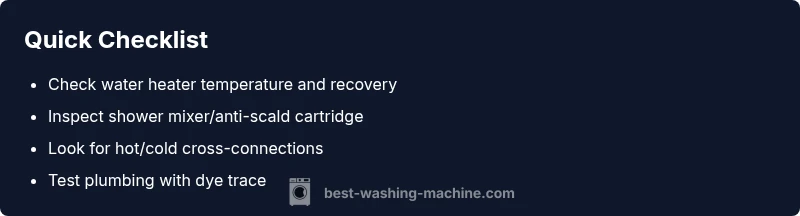
Before escalating to professional help, perform simple checks that cover the most common culprits. Start by ensuring the water heater is delivering hot water, then verify the shower valve and anti-scald cartridge are not stuck. Check that the hot and cold lines are not cross-connected or compromised by loose fittings. If you have a thermostatic mixing valve, test whether it maintains a stable blend. Finally, inspect the washer's hot water usage; if the house has multiple appliances using hot water, a temporary dip in temperature can occur during peak demand. These steps are safe for most homeowners and can be completed with basic tools. If the temperature remains inconsistent after these checks, proceed to the diagnostic flow below or contact a licensed plumber.
Common culprits to check first
Several components determine shower temperature and can misbehave independently of the washer. Start with the water heater's thermostat and recovery rate. If the heater is old or not keeping a steady temp, hot water may disappear during peak demand, making the shower feel cold. Next, inspect the shower mixer or anti-scald valve cartridge; mineral buildup, wear, or a stuck seal can allow cold water to dominate the blend. Also examine for cross-connections or accidental piping changes near the bathroom or under the sink that might swap hot and cold flows. Finally, consider the possibility of a partially closed shutoff valve on the hot water line, which can reduce hot-water supply when multiple fixtures run.
Diagnostic flow: symptom → diagnosis → solutions
Use this logical flow when you notice cold water while the washer is operating:
- Symptom: shower temperature drops briefly during a wash cycle.
- Possible causes: a) Water heater temperature too low (high likelihood); b) Mixing/anti-scald valve faulty (high likelihood); c) Cross-connection or wrong piping (medium likelihood).
- Tests and checks: measure water temperature at several taps, inspect the valve cartridges, and verify pipe installations.
- Solutions: adjust heater or valve, replace faulty cartridge, or fix the piping, then re-test. If the issue persists after these steps, it's time to involve a professional.
Step-by-step fixes for the most likely causes
- Verify water heater output: Check that the heater is producing hot water consistently. If you notice weak heating or no hot water, investigate the heater’s power source or energy supply. Tip: reset the unit if allowed by manufacturer and check for error codes.
- Inspect and replace faulty anti-scald valve or shower mixer: A worn cartridge or stuck valve can misblend hot and cold. Replace the cartridge following the manufacturer’s instructions. Tip: isolate water and depressurize the line before disassembly.
- Check for cross-connections and tighten fittings: Look for any hot-to-cold cross-connections at the shower supply, under the sink, or in the wall cavities. Tighten fittings and correct pipe routing as needed. Tip: use a dye or color test to trace flows quickly.
- Test after each fix: Run a quick test by turning on hot water at multiple fixtures and observing changes. If the shower remains cold sometimes, repeat checks and consider deeper plumbing inspection. Tip: document each change for reference.
- When to call a professional: If you’ve eliminated obvious causes but the problem persists, contact a licensed plumber or a heating professional. A pro can test cross-connections, valves, and heater diagnostics without risking water damage. Tip: ask for a written estimate and a scope of work.
Safety, warnings, and when to call a pro
Always power down the washer and shut off the relevant water supply before inspecting valves or disassembling cartridges. Avoid touching electrical components near a wet area, and never work on a gas water heater without proper safety precautions. If you’re unsure at any step, stop and call a pro; complex cross-connections or faulty heating systems require professional assessment.
Prevention: maintenance tips to avoid future cold showers
Schedule regular inspections of your water heater, mixing valves, and anti-scald devices. Drain and flush the heater periodically to remove sediment, replace aging cartridges in the shower valve, and check for leaks in hot water lines. Keep a simple maintenance log and address warning signs like fluctuating temperatures or slow heater recovery promptly.
How to test after fixes and verify results
After each fix, run the washer through a complete cycle and test the shower at multiple temperatures. Confirm that hot water remains consistent during the cycle and that the blended temperature stays within a comfortable range. If you notice any lingering cold bursts, revisit the diagnostic flow and consider calling a professional for a final check.
Quick reference: DIY vs professional thresholds
DIY fixes work well for basic valve replacements and heater checks, but recurring or high-risk issues (like cross-connections or a malfunctioning heater) should be handled by a pro to prevent scald injuries or water damage.
Steps
Estimated time: 60-120 minutes
- 1
Check main hot-water supply and heater output
Verify the water heater is delivering hot water consistently and that there are no error indicators on the unit. If the heater is weak, address service or call a pro. Bleed air if your system requires it.
Tip: Take photos of wiring and valve positions before disconnecting anything. - 2
Inspect the shower valve and anti-scald cartridge
Remove the valve cover and inspect the cartridge for buildup, wear, or seal damage. Replace if necessary following manufacturer instructions.
Tip: Wear safety goggles and depressurize lines before disassembly. - 3
Check for cross-connections in the piping
Trace hot and cold lines from the heater to the shower, looking for misrouted pipes or swapped connections. Correct as needed and tighten fittings.
Tip: Use dye or food coloring to visually confirm flow paths. - 4
Test post-fix performance
Run a full cycle of the washer and test the shower at various temperatures to confirm stability.
Tip: If temps still fluctuate, proceed to professional assessment. - 5
When to call a professional
If symptoms persist after basic checks, contact a licensed plumber or heating technician. They can perform pressure tests, valve diagnostics, and heater performance checks.
Tip: Request a written estimate and scope of work.
Diagnosis: Shower temperature drops or becomes cold when washing machine runs
Possible Causes
- highWater heater thermostat too low or heater not recovering quickly
- highShower mixing valve or anti-scald cartridge faulty or worn
- mediumCross-connection or incorrect piping between hot and cold lines
Fixes
- easyIncrease or verify water heater setpoint and ensure it can deliver hot water during peak demand
- easyReplace faulty anti-scald valve or shower mixer cartridge
- mediumIdentify and correct hot/cold cross-connections or loose fittings
FAQ
Can a washing machine actually cool shower water?
Not directly. If the shower gets cold during a wash cycle, the problem is usually linked to the hot water system or plumbing rather than the washer. Check the heater, valve, and piping before assuming the washer is at fault.
No—washing machines don’t cool shower water themselves. Start by checking the hot water system and valves.
What should I check first when the shower gets cold while the washer runs?
Begin with the water heater and the shower valve. Ensure hot water is available, the valve cartridge isn’t stuck, and there are no hot/cold cross-connections in the bathroom plumbing.
First, verify hot water availability and the shower valve is functioning properly.
Is it dangerous to adjust the shower valve or water heater myself?
Adjusting valves and heaters involves water and electrical safety. If you’re not sure how to proceed, stop and call a licensed professional to avoid scalds or leaks.
It can be risky—better to consult a professional if you’re unsure.
When should I call a plumber or hot-water pro?
If basic checks don’t solve the issue or you notice leaks, pressure changes, or inconsistent heating, a pro should diagnose cross-connections, valve faults, or heater problems.
Call a pro if basic checks don’t fix it or you see leaks or weird pressure.
Can a problem with the cold water supply cause this?
Yes. A restricted cold line or misrouting can affect the blend and cause sudden temperature changes. Inspect shutoffs and lines near the shower.
A cold supply issue can cause temp swings—check the cold line and valves.
Will running the washer affect shower temperature permanently?
Typically no. Most issues are temporary or fixable with basic maintenance. If it recurs, it may indicate a deeper plumbing problem.
Usually not permanent—most issues are fixable with basic maintenance.
Watch Video
The Essentials
- Identify whether the issue is with the hot water system, not the washer
- Check the shower valve and anti-scald cartridge first
- Test after each fix to confirm results
- Call a professional if the problem persists beyond basic checks