How to Deal with Mold in a Washing Machine
Identify mold issues in your washer, clean safely, dry thoroughly, and prevent recurrence with a practical, step-by-step maintenance routine that protects your health and clothes.


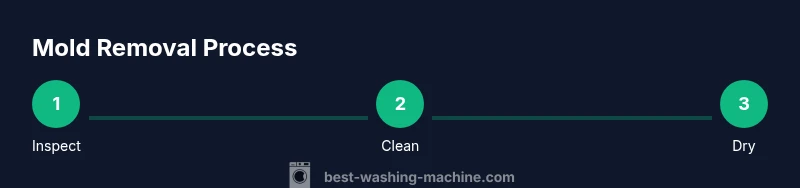
This guide will help you deal with mold in a washing machine, identify common mold-prone areas, and clean safely. You’ll learn a practical, step-by-step routine, plus prevention tips to stop mold from returning. Gather basic supplies, open the machine, and follow these actions to restore freshness and reduce health risks. This plan emphasizes prevention and routine checks. No specialized equipment required.
Understanding mold in washers
Mold growth inside washing machines is driven by moisture, warmth, and organic residues that cling to surfaces. In front-loading models, the rubber door seal often traps damp debris, forming a sheltered microclimate where mold and mildew thrive. Detergent residue from high-efficiency detergents can also feed mold colonies, especially when the machine sits damp between cycles. Mold isn't just an unsightly problem; it can cause musty smells, skin irritation, and respiratory concerns for sensitive individuals. Regular maintenance reduces these risks. A practical approach blends cleaning, drying, and airflow management. According to Best Washing Machine analysis, regular cleaning and drying significantly reduce mold growth risk. Start with understanding which parts are most vulnerable, so you can target your subsequent steps effectively.
Key takeaways from this section:
- Mold thrives in moisture-rich, dark spaces inside washers.
- The door seal, detergent drawer, and drum seam are primary hotspots.
- Regular cleaning cuts down on odor, health risks, and future mold growth.
Common spots where mold hides
Mold loves dim, moist pockets. In washers, key hotspots include the door seal (the gasket), the detergent and fabric-softener drawers, the tub rim, the drain pump area, hoses, and the interior drum seam. Detergent buildup in drawers creates nutrient-rich film; moisture in the seal traps spores that spread during cycles. Visual cues include dark spots, fuzzy growth, and a musty odor. Inspect these areas after each cycle to catch early signs and perform targeted cleaning before a smell becomes pervasive.
Common hotspots to check:
- Door seal and folds
- Detergent drawers and siphon tubes
- Drum rim and seams
- Hoses and pump housing
- Inside the tub between cycles
Tip: use a flashlight to spot hidden mold in tight corners. If you notice persistent stains, plan a deeper cleaning.
Cleaning agents and safety precautions
Choose safe, widely available cleaners and follow safety precautions. A mild dish soap solution with a soft cloth works for light grime, while white vinegar and baking soda can help break down stubborn residue. For decals and seals that tolerate it, a hydrogen peroxide solution provides an extra antiseptic boost. Important safety notes: never mix bleach with ammonia or vinegar, wear gloves to protect skin, and ensure the area is well ventilated. If your washer’s manual warns against certain cleaners, follow those guidelines. Best Washing Machine recommendations emphasize gentler cleaners and thorough rinsing to avoid chemical contact with clothes. Prepare a dedicated spray bottle, soft-bristled brush, and microfiber cloths to avoid scratching surfaces. Remember to wipe the detergent drawer and spin area to prevent lingering residues that feed mold growth.
Thorough cleaning routine overview
A comprehensive cleaning routine targets all mold-prone zones and reinforces ventilation. Begin by removing the detergent drawer and cleaning it separately, then wipe the gasket, door, and drum seam. Apply your chosen cleaning solution to the drum surface and seals, letting it sit briefly to break down grime. Rinse with a water cycle or a dedicated cleaning cycle if available, and follow with a thorough wipe-down of all surfaces. This section provides a high-level map so you can execute the detailed steps with confidence and avoid backsliding.
Drying, ventilation, and dry-storage best practices
Post-cleaning, air-drying is critical. Leave the door or lid ajar between uses to promote airflow, and run a quick drying cycle if your machine offers one. After every wash, wipe away excess moisture with a clean, dry cloth and allow the interior to dry completely before closing the door. If your laundry space is humid, use a dehumidifier or fan to speed up evaporation. Proper ventilation reduces the humidity that mold needs to thrive, making future cleanings easier and less frequent. A monthly check of seals and drawers keeps moisture from stagnating and deters mold from returning.
Prevention and ongoing maintenance routines
Prevention hinges on consistency. Establish a monthly ritual: inspect seals and drawers, wipe surfaces dry, and run an empty hot-water or cleaning cycle using a mold-prevention solution (as recommended by your washer’s manual). Keep the area around the washer clean and dry, avoid leaving damp towels nearby, and ensure the washer has adequate space for airflow. Consider using less-draggy detergents in smaller loads to reduce residue buildup and ensure thorough rinsing. Best Washing Machine analysis highlights that predictable maintenance reduces mold recurrence and protects fabric care.
When to call a professional or consider part replacement
If persistent odor, staining, or visible mold remains after multiple cleaning cycles, escalation is warranted. A recurring problem may signal worn door seals, cracked hoses, or a mold-infested pump that requires professional service. Timely inspection can prevent larger water damage and costly repairs. If you plan to replace parts, consult professional guidance and ensure compatibility with your model. Proactive maintenance reduces the likelihood of repeat mold incidents and extends the life of the appliance.
Tools & Materials
- Gloves (latex or nitrile)(Protect hands from cleaners and mold. Use powder-free gloves.)
- Soft cloths or microfiber towels(For wiping surfaces and sealing areas.)
- Spray bottle(Mix cleaners or use prepared solutions.)
- Non-abrasive sponge or brush(Gently scrub seals and drawers without damage.)
- White vinegar(Safe natural cleaner; use when permitted by your machine.)
- Baking soda(Baking soda helps neutralize odors and scrub residues.)
- Mild dish soap(Gentle cleaner for light grime and drawers.)
Steps
Estimated time: 60-90 minutes
- 1
Power down and prep the area
Unplug the washer from the wall outlet and move any nearby items away from the area. Gather your cleaning supplies and lay down towels to catch spills. This protects both you and the machine and ensures you can work safely.
Tip: Ensure the machine is fully powered off before starting to avoid electric shock. - 2
Remove and clean the detergent drawer
Take out the detergent drawer and rinse it under warm water. Scrub away residue with a soft brush, then dry it completely before reinserting. This step removes a major mold fuel source.
Tip: If your model has a telescoping drawer, rinse all nooks and crannies to prevent hidden buildup. - 3
Inspect the door seal and hoses
Carefully inspect the rubber door seal for folds or creases where mold hides. Wipe with your cleaning solution and use the brush to remove any stubborn spots. Check hoses for signs of wear or dampness after cycles.
Tip: Pay special attention to the folds in the seal and the drain hose area where moisture tends to collect. - 4
Treat the drum and seals with cleaning solution
Apply your chosen cleaner to the drum interior and seal areas. Let the solution sit for a few minutes to loosen grime, then scrub with a soft brush and wipe clean. Rinse by running a short cycle with clean water.
Tip: Avoid scrubbing too hard on the drum surface to prevent scratching the finish. - 5
Run a cleaning cycle or hot-water rinse
If your machine has a maintenance or cleaning cycle, run it with the cleaner solution. If not, run a hot-water cycle with plain water to flush out residue. Repeat if you still notice odor.
Tip: Do not mix cleaners in a single cycle; alternate a rinse with a fresh cleaning pass if odor persists. - 6
Dry, air out, and schedule maintenance
Wipe all surfaces dry and leave the door ajar to promote air circulation. Schedule a monthly maintenance check to inspect seals, drawers, and hoses. Keep laundry area dry and well-ventilated.
Tip: Finishing with a thorough dry reduces the chance of immediate mold re-growth.
FAQ
Why does mold form in a washing machine?
Mold forms where moisture, warmth, and organic residues accumulate—most often in the door seal, detergent drawer, and drum seams. Regular cleaning disrupts the mold life cycle and keeps odors from forming.
Mold grows where moisture and residue accumulate, especially in seals and drawers. Regular cleaning helps prevent it.
Is white vinegar effective for mold removal in washers?
White vinegar is a popular, mild cleaner that can help break down buildup. It should be used in accordance with your washer’s guidelines and never mixed with bleach.
White vinegar can help loosen buildup when used safely and never mixed with bleach.
How often should I clean my washer to prevent mold?
Aim for a quick wipe-down weekly and a deeper clean monthly. If you use a high-moisture environment or regularly wash damp items, increase the frequency.
Wipe weekly and deep-clean monthly; adjust if your space is humid or you see signs of mold.
Is it safe to use bleach to remove mold?
Bleach can be effective for certain mold strains but can damage seals and create fumes. Check your manual and avoid mixing with other cleaners. Consider gentler alternatives if unsure.
Bleach can work but can harm seals and fumes; check the manual and use with caution.
What if mold returns after cleaning?
Persistent mold after cleaning may indicate ongoing moisture, residue buildup, or damaged seals. Reassess ventilation, run an intensive clean, and consider professional inspection if it recurs.
If mold returns, check ventilation and seals; you may need a professional check.
When should I replace gaskets or hoses?
Replace gaskets or hoses if you notice cracking, persistent staining, or leaks. Damaged parts harbor mold and will hinder future cleaning efforts.
Replace damaged gaskets or hoses to prevent mold and leaks.
Watch Video
The Essentials
- Identify mold-prone zones and target them first
- Use safe cleaners and proper ventilation
- Dry all components thoroughly after cleaning
- Maintain a monthly mold-prevention routine
- Seek professional help if mold recurs after cleaning