How to Keep Your Washing Machine from Freezing in a Garage
Learn practical steps to prevent your washing machine from freezing in a garage. Insulation, drainage, and safe placement keep your appliance ready for winter while reducing frost risk and leaks.


To keep a washing machine from freezing in a garage, start by preventing temps below freezing, insulating all water hoses, and preparing the drum for winter. If possible, relocate the unit to a heated area, or add a portable heater and draft protection. This guide covers insulation, drainage, safe power setup, and routine maintenance to reduce frost risk and potential water damage.
Why freezing happens in garages
Garages are exposed to outdoor temperatures and drafts, which can drop below the dew point and cause water in hoses or the drum to freeze. When water freezes inside the supply line or drain, you risk cracked hoses, obstructed flow, and damage to internal components. According to Best Washing Machine, even well-maintained units can suffer when stored in unheated spaces for extended periods. The key is to reduce exposure to cold air, lower the likelihood of water at or near freezing, and create a micro-climate that keeps critical parts above freezing. Think of the washer as a sealed system that must stay warm enough to prevent ice formation around valves and seals. In practice, small changes—like sealing gaps behind the unit and insulating exposed hoses—can have a big impact on frost risk. The goal is to make the garage feel more like a controlled space rather than an outdoor shed, especially during cold snaps.
Safe placement and climate control
Placement matters as much as insulation. If you can, move the washer away from exterior walls and drafty doors to reduce cold air exposure. Keep the space above freezing with a portable heater or by maintaining a steady indoor temperature in the garage using a thermostat-controlled heater. Always keep flammable materials away from heat sources and ensure proper clearance around the machine for ventilation. If you must operate the washer during cold spells, consider running a longer pre-wash cycle to prevent condensation from freezing on metal surfaces. Regularly monitor the garage temperature with a simple thermometer, and adjust the heater before a cold front arrives. The aim is predictable, moderate warmth rather than variable warmth that fluctuates with weather.
Insulating water supply hoses and drain lines
Foam sleeves or split-in hose insulation should cover both the supply and drain hoses to minimize heat loss and prevent ice buildup at fittings. Use hose protectors and clamps to seal joints where hoses enter and exit the wall. In exposed installations, wrap hoses with insulating tape or a thin foam layer and secure with zip ties. If your garage door creates drafts, add weatherstripping along the base to reduce cold air infiltration around the washer’s location. Proper insulation reduces heat loss and slows the formation of ice at connection points, which is a common freezing point for many garages.
Draining and winterizing the washer drum
Before a deep freeze, drain residual water from hoses, disconnect them at both ends, and tilt or tip to drain water from the machine’s internal lines. Wipe the drum dry and leave the door slightly ajar to promote airflow and prevent musty odors. If your manual approves, use a small amount of RV antifreeze in the drain path to protect traps and valves during storage in very cold climates. Always follow the washer’s manual for winterization steps and never introduce chemicals that could damage seals. After winter, reconnect hoses and run a cleaning cycle to remove any residue.
Protecting electrical components and outlets
Electrical safety is critical. Ensure the washer is plugged into a GFCI-protected outlet and that cords are off the floor to avoid moisture exposure. Keep outlets and power strips away from potential splashes and condensation. If you’ve installed a space heater, use a thermostat with auto shutoff and never run cords under rugs or through tight gaps where heat can accumulate. In damp garages, consider moisture barriers or sealed enclosures for the electrical area to minimize corrosion and short risks.
Maintenance routine and seasonal checks
Create a winterization checklist and perform it at the start and end of each cold season. Inspect hoses for cracks or bulges, test clamps, and replace any damaged components before winter hits. Confirm the garage temperature remains above freezing during cold spells and re-check insulation after heavy use or heavy wind events. A quick monthly inspection reduces the chance of surprise failures and keeps the washer ready when you need it. The Best Washing Machine team recommends documenting each winterization step so you can compare performance year over year.
When to relocate or seek professional help
If your garage routinely stays well below freezing, moving the washer indoors or to a temp-controlled space may be the best option. Persistent piping frost, frequent ice buildup, or repeated hose damage is a sign you should consult a professional. A licensed technician can assess insulation needs, install frost-resistant fittings, and verify electrical safety compliance. Regular professional checks during maintenance seasons can prevent costly damage and downtime.
Tools & Materials
- Water shut-off valve(Locate and test before winter; ensure it’s easily accessible in the event of a leak)
- Hose insulation sleeves (foam)(Cover both supply and drain hoses; pick ones sized for your hose diameter)
- Hose caps/end caps(Seal hose ends when detached to prevent cold air intrusion)
- Heat source with thermostat (portable space heater)(Choose a unit with auto shutoff and tip-over protection; place away from flammables)
- Weatherstripping or draft blockers(Seal gaps around the washer area to cut cold drafts)
- Foam pipe insulation tape(Extra layer for any exposed pipe entries)
- RV antifreeze (non-toxic, appliance-safe)(Only if recommended by the washer manual; follow product directions)
- Towels or absorbent rags(Keep on hand to mop spills when draining hoses and connections)
- Thermometer or simple garage thermostat(Monitor temperature to keep above freezing consistently)
Steps
Estimated time: 60-90 minutes
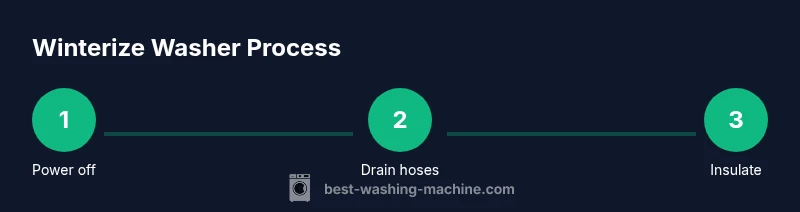
- 1
Power off and shut off water
Unplug the washer and close the main water valve to prevent leaks while you winterize. This reduces the risk of a burst hose if hoses are moved or disconnected.
Tip: Always verify power is off with a tester before touching any electrical components. - 2
Disconnect hoses and drain
Carefully detach supply and drain hoses from the wall and washer. Drain any water into a bucket and wipe the connectors dry. This prevents freezing water from expanding when temperatures drop.
Tip: Have towels ready to catch residual water and avoid spills on the floor. - 3
Drain residual water and dry the drum
Run a short rinse or drain cycle to push out remaining water in internal pathways. Wipe the drum and leave the lid slightly ajar to promote airflow and prevent odor buildup.
Tip: If your model has a service mode for winterization, consult the manual before using it. - 4
Cap hoses and insulate
Cap the hose ends to prevent air entry and wrap foam insulation around exposed hoses. Secure with zip ties to prevent movement. Optional: apply extra insulation at hose exits through walls.
Tip: Check hose clamps to ensure there are no loose connections once reattached. - 5
Position and heat management
Move the washer away from exterior walls if possible. Use a thermostat-controlled space heater to maintain a stable garage temperature above freezing. Keep the heater at a safe distance from any combustible materials.
Tip: Never leave a space heater unattended for long periods. - 6
Winterize with antifreeze (if required)
If your manufacturer allows, add a small amount of RV antifreeze to the drain path or drum as directed. Never use automotive antifreeze in appliances.
Tip: Always follow the product directions and manufacturer guidance. - 7
Reconnect and test
Reconnect hoses, restore power, and run a test wash to ensure everything operates smoothly without leaks or ice formation. Monitor for a few cycles to confirm stability.
Tip: Check around connections for any signs of frost or condensation after the test run. - 8
Schedule seasonal checks
Set a reminder for a mid-winter check and a pre-season check to catch wear or drafts before they cause problems.
Tip: Keep a simple log of temperatures and maintenance steps for future winters.
FAQ
Is it safe to keep a washing machine in a cold garage?
Yes, with proper winterization: insulation, drainage, and climate control. Always follow the manufacturer guidelines and ensure electrical safety.
Keeping a washer in a cold garage is possible if you winterize it and maintain safe electrical practices.
What is the best way to prevent hoses from freezing?
Insulate both the supply and drain hoses and seal any gaps where cold air can reach them. Use caps when hoses are disconnected.
Insulate your hoses and seal gaps to prevent freezing.
Should I use antifreeze in a washing machine reservoir?
Only if your manual allows it. Use appliance-safe RV antifreeze and follow product directions precisely.
Check the manual; if you use antifreeze, select a product safe for appliances and follow directions.
How warm should the garage be in winter?
Aim to keep the garage above freezing and as stable as possible. A thermostat-controlled heater helps prevent condensation and ice formation.
Keep the garage above freezing with a stable temperature.
What maintenance should I do before winter?
Inspect hoses, replace any damaged parts, insulate exposed tubing, and run a test cycle to ensure everything functions properly.
Do a quick winter prep: check hoses, insulate, and test run.
Watch Video
The Essentials
- Insulate all water hoses to minimize frost risk
- Keep the garage temperature above freezing with safe heating
- Drain and dry the drum and hoses before storage
- Inspect electrical safety and outlets for moisture
- Create a simple winterization routine for annual use