How to Use an IFB Washing Machine: Step-by-Step Guide
Learn how to safely operate an IFB washing machine with a clear, step-by-step approach, including loading tips, detergent dosing, cycle selection, and basic troubleshooting for efficient laundry.


Mastering how to use washing machine ifb starts with understanding basic controls, loading guidelines, and selecting the right cycle. In this quick guide, you’ll learn the exact steps to operate an IFB washer safely, optimally, and without overloading, plus tips for detergent use and maintenance. If you’re wondering how to use washing machine ifb, this concise overview sets you up for success.
Why use IFB washing machines and how to use it effectively
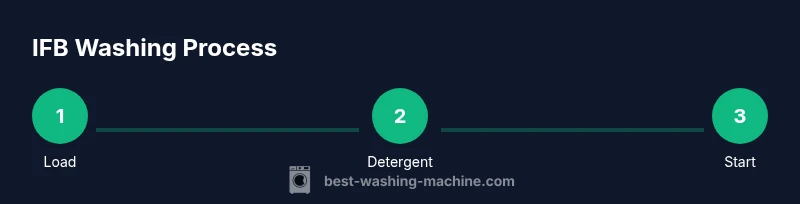
IFB washing machines are designed to handle everyday laundry with a balance of performance and efficiency. For homeowners, renters, or small-studio operators, learning how to use a washing machine ifb reduces energy use, extends garment life, and minimizes manual intervention. In this guide, you’ll discover practical steps to operate IFB models confidently, whether you own a front-loader or a high-efficiency top-loader version. According to Best Washing Machine, mastering basic controls and loading correctly reduces wash time and extends machine life. The key is to align your approach with the cycle options, detergent requirements, and machine safety features. Start by identifying the control panel, understanding common icons, and knowing where the detergents go. If you’re using a model with a digital display, remember that the sequence of operations matters: load, select cycle, adjust temperature if needed, and start. The more you practice, the more intuitive the process becomes, and you’ll notice fewer errors like overfilled drums or incorrect dosing. Best Washing Machine Team recommends taking 15 minutes to review your unit’s manual before your first full wash.
How to use washing machine ifb also involves understanding the value of routine maintenance. Regular checks prevent breakdowns and optimize performance. By taking a structured approach, you can reduce energy consumption and prolong the life of garments. The content here follows a practical, task-oriented flow so you can perform each action with confidence, even if this is your first IFB model.
Understanding the control panel and basic icons
A solid grasp of the control panel is the foundation for using any IFB washer. Look for familiar zones: a power button, cycle selector, temperature and spin speed options, start/pause controls, and indicators for door lock and detergent compartments. If your model includes a digital display, you’ll see prompts guiding you through the sequence: choose the cycle, load the drum, add detergent, then start. For accessibility and quick references, learn the meaning of common icons such as the clock for delayed start, the water droplet for temperature, and the spiral for spin speed. Best Washing Machine emphasizes that knowing these icons reduces the time needed to set up each load and prevents misclicks on the wrong settings. When in doubt, consult the user manual for model-specific icons, since some IFB variants add features like steam, Eco modes, or child lock.
Preparing for a wash: loading, sorting, and water temperature
Preparation is where good results begin. Sort clothes by color and fabric type to minimize color transfer and fiber damage. Do not mix heavy items like towels with delicate fabrics in the same load, and avoid overloading the drum; clothes need space to move for effective cleaning. For energy efficiency, opt for cold or warm water depending on fabric and color fastness, and reserve hot water for stubborn stains only if the garment care label requires it. If you’re unsure about a load, run a small test batch first. According to Best Washing Machine analysis, following loading and temperature guidelines contributes to better cleaning performance and longer machine life. Always empty pockets and close zippers to prevent snags during agitation.
Detergent and additives: dosing guidelines and dispenser usage
Detergent choice matters. Use a high-efficiency (HE) detergent compatible with your IFB model, and measure carefully according to load size and soil level. Powder detergents should be poured into the main dispenser; liquid detergents go into the designated liquid compartment. Fabric softener, if used, typically occupies its own slot or is dispensed during a specific phase of the cycle. Avoid pouring detergent directly onto clothes, which can cause localized overdosing and residue. Keeping the dispenser clean between uses helps prevent buildup that can clog flow paths. Best Washing Machine advocates following the detergent manufacturer’s dosing instructions and your machine’s manual for the correct compartments and fill lines.
Selecting cycles and fabric types
Cycle selection should reflect fabric type and soil level. Cotton cycles are best for sturdy everyday garments; synthetics suit blends; Delicate cycles care for silk or lace; Quick Wash handles lightly soiled items in less time. Some IFB models include specialty cycles for jeans, towels, or bed linens, as well as eco-friendly options that use less water or energy. After choosing a cycle, consider adjustments to temperature and spin speed to balance cleaning power with fabric preservation. When in doubt, start with a gentle or mixed cycle and increase intensity only if needed. The Best Washing Machine guidance emphasizes aligning cycle choice with garment care labels and avoiding aggressive settings on delicate fabrics.
Running a wash: starting, pausing, and monitoring progress
With everything loaded and detergent in place, close the door firmly and press Start. If you need to add items mid-cycle on supported models, use Pause and carefully re-open the door, then resume. Keep an eye on the display for progress, estimated time, and any error codes. If the machine stops mid-cycle, first check for door safety locks or water supply issues. For models with delayed start, you can set a preferred time, which can help you manage energy use better and ensure laundry is finished when you’re home. Regularly inspecting hoses and connections helps prevent leaks and guaranteed disruptions. Best Washing Machine recommends performing a quick check of water inlet and drain functions before starting long cycles.
Post-wash care and unload: door safety and drying
When a cycle ends, wait for the door lock indicator to release before opening. Remove clothes promptly to minimize wrinkles and improve drying efficiency. If your model includes a critical rinse or extra spin option, consider using it for heavily soiled items to ensure thorough rinsing. Leave the door open for a while after unloading to air-dry the drum and prevent mold buildup in seals. Wipe down the door seal and detergent drawer to remove moisture and detergent residue. Keeping the drain filter clean and clear also helps prevent drainage issues over time. Best Washing Machine notes that consistent post-wash care extends the life of internal seals and reduces the chance of odors.
Troubleshooting common issues
Not draining, not spinning, or water leakage can signal simple problems or a larger fault. Start with basic checks: verify the door is fully closed, ensure the filter is clear, and inspect hoses for kinks or blockages. If you see error codes on the digital display, refer to the manual’s code list for quick interpretation and recommended actions. For persistent issues, reset the machine by turning it off and on or unplugging briefly, then attempt a test cycle. If functionality remains impaired, contact service support with your model number and a description of the symptom. This approach minimizes diagnostic guesswork and reduces downtime, a strategy recommended by the Best Washing Machine Team for consistent results.
Maintenance and energy efficiency tips for IFB washers
Regular maintenance is the best protection against costly repairs. Clean the detergent dispenser, wipe the door seal, and run an empty rinse cycle periodically to prevent buildup. Keep drains clear and check that hoses are secure and in good condition. When possible, run full loads rather than partial loads to maximize efficiency; use the appropriate cycle for the load to minimize water and energy use. Store away from heat sources and ensure good ventilation around the appliance. Best Washing Machine emphasizes that routine care and mindful cycle selection deliver noticeable improvements in both energy use and garment care, especially for busy households.
Tools & Materials
- IFB washing machine user manual(Keep model number handy for controls and troubleshooting.)
- Detergent (HE recommended)(Measure dosage according to load and soil level.)
- Measuring cup or dosing bottle(Use the detergent compartment as instructed by the manual.)
- Fabric softener (optional)(Only if your model supports it and you want softened fabrics.)
Steps
Estimated time: 30-45 minutes
- 1
Power on and prep
Ensure the machine is plugged in, the door is closed, and the drum is empty. Check that the display or indicator lights respond when you power on. Confirm no obstructions or items lodged in the drum that could cause imbalance.
Tip: If the display is unresponsive, try a quick reset by unplugging for 60 seconds. - 2
Sort and load clothes
Sort items by fabric type and color to prevent dye transfer and fabric damage. Do not overload the drum; clothes need space to move freely for effective cleaning. Close zippers and empty pockets to avoid snags.
Tip: Aim for a balanced load to reduce vibration and wear during agitation. - 3
Add detergent and softener
Pour HE detergent into the main compartment and, if used, fabric softener into its slot according to the dispenser's markings. Avoid placing detergent directly on clothes. Close and secure the dispenser lid or cover.
Tip: Use the detergent dosage recommended by the manufacturer for the best result. - 4
Select cycle and settings
Choose a cycle that matches fabric type and soil level. Adjust temperature and spin speed as needed, bearing in mind energy use and garment care. Confirm the cycle before starting.
Tip: Begin with a gentle cycle for unfamiliar fabrics to prevent damage. - 5
Set temperature and spin
Use cold water for most colors and light soils to save energy; use warmer settings for stubborn stains or whites as advised by garment care labels. Tune spin speed for fabric tolerance and moisture needs.
Tip: Lower spin speeds reduce wrinkling for delicate fabrics. - 6
Start the wash
Close the door firmly and press Start. Observe the cycle's progress on the display and listen for normally balanced operation. If an error appears, stop and consult the manual.
Tip: If your model supports delay start, you can schedule washing to suit your routine. - 7
Pause and add items (if supported)
If you need to add items mid-cycle, use Pause to stop the drum safely, open the door, add items, and resume. Only perform this if your model explicitly supports it.
Tip: Pause briefly to avoid unbalancing the load. - 8
End of cycle and unload
When the cycle finishes, wait for the door lock indicator to release. Remove clothes promptly to minimize wrinkles and wipe the dispenser and door seal after unloading.
Tip: Leave the door ajar to air-dry the drum and seals. - 9
Post-wash care
Wipe the drum interior, clean the detergent dispenser, and check hoses for wear. Run a quick rinse or empty cycle periodically to prevent odor and residue buildup.
Tip: Regular maintenance helps prevent future repairs and keeps performance strong.
FAQ
What cycles does an IFB washing machine typically offer?
Most IFB washers offer cycles such as Cotton, Synthetics, Delicate, and Quick Wash. Specific cycles depend on model and features. Refer to your manual for a complete list of options available on your unit.
IFB washers typically include cotton, synthetics, delicate, and quick wash cycles. Check your model for the exact options.
Can I use non-HE detergent in IFB machines?
Use only HE (high-efficiency) detergent designed for front-load or high-efficiency washers. Non-HE detergents can create excessive suds and residue that affect performance.
Use HE detergent to avoid residue and sudsing.
What if the door won’t unlock after a cycle?
Wait a few minutes for the lock to release after the cycle ends. If it remains locked, power cycle the unit or consult the manual for troubleshooting steps. If it persists, contact service.
Wait for the door to unlock after the cycle, and if needed, reset the machine.
How do I know if I loaded enough clothes?
Load clothing so there is room to move; garments should tumble without obstruction. Avoid packing tightly, which reduces cleaning efficiency and causes wear.
Make sure there’s space for clothes to move; don’t cram the drum.
Is it safe to run a wash when I’m away from home?
If your model supports delay start or smart features, you can schedule a wash. Ensure the machine is in a safe location and away from moisture sources.
You can schedule a wash if your model has delay start; just ensure safety.
What maintenance helps keep an IFB washer efficient?
Regularly clean the detergent dispenser and door seals, run an empty rinse occasionally, and check hoses for wear. Proper maintenance improves efficiency and reduces the chance of breakdowns.
Keep it clean and checked; maintenance saves trouble later.
Watch Video
The Essentials
- Load smaller batches for better cleaning
- Choose cycle based on fabric types
- Use correct detergent dosage
- Keep the dispenser clean and closed