How to Use Whirlpool Washing Machine: Step-by-Step Guide
Learn how to use Whirlpool washing machine with a comprehensive step-by-step guide. From loading to cycle selection and maintenance, master everyday washing and extend your appliance's life.


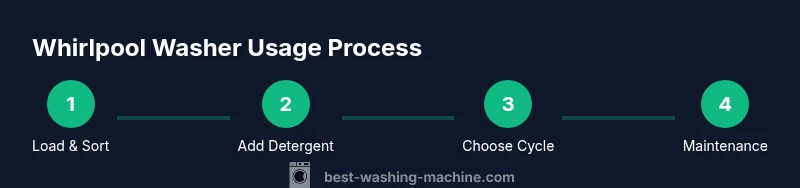
Goal: Learn how to use whirlpool washing machine to start a load, select cycles, and maintain the appliance. This quick guide covers loading, detergent choices, cycle options, and basic troubleshooting so you can get clean clothes with minimal guesswork. By following the steps, you’ll maximize efficiency while protecting fabrics and preserving the washer’s lifespan.
Understanding Whirlpool controls
If you’re wondering how to use whirlpool washing machine, begin with the control panel. Most Whirlpool models feature a central dial or a touchscreen that selects cycles, water temperature, soil level, and spin speed. The first step is to identify common icons: a tub for the wash, a thermometer for temperature, a droplet for water, and a gear or dial for cycle options. On newer models you may see a Smart or Quick Wash button; these shortcuts save time but are best for lightly soiled loads. Across Whirlpool lines, the operating logic remains consistent: load clothes properly, follow fabric care labels, and monitor the cycle the first few times to ensure you’re comfortable with the flow. By understanding controls, you gain confidence to tailor each wash to fabric type and soil level.
Loading clothes correctly
Loading technique matters for cleaning performance and machine balance. When you know how to use whirlpool washing machine, start by sorting by color and soil level, then pretreat heavy items. Place large items on the drum sides to distribute weight evenly; avoid overpacking the drum. Do not block the door seal or water inlet, and leave space for movement. For top-load washers with an agitator, distribute clothing evenly around the agitator; for high-efficiency front-load washers, load in a circular pattern to promote tumbling rather than clumping. Use the recommended load size for the cycle you choose; overloading reduces cleaning effectiveness and can trigger longer cycle times or error codes. Balance is key for efficient cleaning and reduced vibration.
Detergent and additives: what to use
Choosing the right detergent is essential. Whirlpool machines typically perform best with high-efficiency (HE) detergents for front-load models and standard detergents for certain top-load designs. Always check the model’s manual for detergent type and amount. Use the measuring cup or dosing guidelines on the detergent packaging to avoid residue and over-sudsing. If you add fabric softener, use the built-in dispenser and avoid pouring directly onto clothes, which can cause spotting. For heavily soiled loads, pre-treat stains with a dedicated stain remover instead of relying on extra detergent alone. Keeping detergent clean and properly measured reduces rinse cycles and helps protect fabrics over time.
Selecting the right cycle
Cycle selection is the heart of how to use whirlpool washing machine effectively. Start with a standard cycle like Normal or Cottons for everyday laundry, then tailor wash temperature, soil level, and spin speed to the fabric. Delicate fabrics benefit from a gentler cycle with lower spin, while heavily soiled items may need a Intensive or Heavy Duty option. If you’re unsure, choose a cold water option to save energy and prevent color bleeding, then adjust with a warmer rinse if needed. Many Whirlpool models also offer specialty cycles (Quick Wash, Sanitize, Eco Wash); use them sparingly for appropriate loads to maximize efficiency without compromising cleaning.
Start, pause, and add items mid-cycle
Starting a cycle is straightforward once you’ve loaded and configured settings. Press Start to begin, and use Pause or Stop to halt the cycle if you need to add missed items or adjust settings. If the model supports Add-A-Load, you can reopen the door mid-cycle to insert forgotten garments and resume washing without starting over. Remember to stop only when the drum is not moving, and never force open the door while water is present. Monitoring the cycle during the first uses helps you understand how quickly items move and how the washer responds to added items.
Special features and sensor technology
Many Whirlpool washers include sensors that optimize water usage, temperature, and spin efficiency. Soil sensors assess clothing soil level and adjust wash time accordingly. Some units offer steam or sanitize options for heavily soiled or delicate fabrics. When using these features, select the appropriate cycle and confirm that the door is securely closed. Be mindful that some advanced options consume more time and energy, so reserve them for specific needs rather than daily laundry to balance performance with efficiency.
Maintenance routine after each cycle
A simple post-wash routine keeps Whirlpool washers running smoothly. Wipe down the door seal to prevent mold and mildew, especially in front-load models. Leave the door or lid ajar after cycles to improve air circulation and drying. Clean the detergent dispenser periodically to prevent buildup. If your unit has a lint filter or a drain pump filter, remove and rinse it as recommended by the manual. Finally, run a monthly maintenance wash with a washer cleaner or hot water with a small amount of white vinegar to remove residue and odors. Regular maintenance extends the life of internal components and improves performance.
Common usage mistakes and how to avoid them
Even seasoned users make a few missteps that reduce washing effectiveness. Avoid overloading the drum—clothes need room to move for proper agitation and rinsing. Don’t use more detergent than recommended, as excess suds can trap dirt and lead to residue on clothes or mildew in the drum. Mixing heavily soiled items with delicate fabrics can cause wear and color transfer; always sort by fabric type and color. Finally, skip the energy-saving options every time you run a quick wash; reserve Eco or cold-water cycles for suitable loads to maintain efficiency while ensuring clean results.
Tools & Materials
- Laundry load (mixed fabrics common for testing)(Prepare a representative mix to practice cycle selection and loading patterns)
- Detergent (HE recommended for most Whirlpool models)(Use the correct type for your model and cycle)
- Measuring cup or detergent cap(Accurate dosing prevents residue and over-suds)
- Fabric softener (optional)(Use only if your model's dispenser is designed for it)
- Soft cloth or microfiber towel(For door seal and drum cleaning after cycles)
- Owner’s manual (digital or printed)(Model-specific guidance and safety instructions)
Steps
Estimated time: 25-40 minutes
- 1
Prepare and sort laundry
Sort clothes by color and fabric type, remove items with missing care labels, and check pockets. This reduces dye transfer and fabric damage. Pre-treat stains if needed, and empty pockets before loading.
Tip: Separate bulky items to avoid unbalanced loads; this helps reduce vibration and wear. - 2
Load clothes properly
Place items evenly around the drum, avoiding tight packing. On front-load models, keep load balanced to prevent excessive drum movement.
Tip: Avoid overloading; aim for fill levels that allow clothes to move freely. - 3
Add detergent and optional additives
Measure detergent according to the cycle and load size. If using fabric softener, add it to the designated dispenser.
Tip: Use HE detergent for efficient washing and to prevent buildup. - 4
Choose cycle settings
Select the appropriate cycle (Normal/Cottons, Delicates, Heavy Duty) and adjust water temperature, soil level, and spin speed as needed.
Tip: Cold water saves energy; reserve warm or hot water for heavily soiled loads. - 5
Start the wash
Press Start or Power to begin. If your model supports Add-A-Load, you can pause, add items, and resume.
Tip: If the drum is noisy or unbalanced, pause, rearrange, and restart. - 6
End of cycle and unloading
Wait for the drum to stop completely before opening the door. Remove clothes promptly to minimize wrinkles and odors.
Tip: Leave the door ajar after unloading to improve ventilation.
FAQ
What is the best cycle for everyday laundry on Whirlpool washers?
For everyday loads, start with Normal or Cottons and adjust temperature and spin to fabric. Use a cold wash for color and energy savings, then use warm water if you need more effective stain removal.
For daily laundry, use the Normal or Cottons cycle and adjust settings based on fabric. Cold water saves energy, warm water can help with stains.
How do I reset a Whirlpool washing machine after a fault or error code?
Unplug the machine for about 60 seconds, then plug back in and restart. If the error persists, check the door or lid switch and consult the manual for code-specific steps.
Unplug for a minute, plug back in, and try again. If it stays, check the door switch and refer to the manual.
Can I run a Whirlpool washer with a single garment?
Yes, but balance the load and avoid overloading the drum. For best results, add a few similar items to help stabilize the spin.
Yes, but make sure the drum stays balanced. Add a few similar items if possible.
What detergents are recommended for Whirlpool machines?
Use high-efficiency (HE) detergent for front-load models and the detergent type specified by your model for top-load designs. Always follow label directions for dosing.
Use HE detergent for most Whirlpool machines and follow the label for dosing.
Why won’t my Whirlpool washer start?
Check power supply, ensure the door is firmly closed, and verify there’s no child lock engaged. If still stuck, consult the manual for specific startup procedures or error codes.
Check power, door latch, and any child lock. If it still won’t start, check the manual for codes.
How do I add fabric softener mid-cycle?
Pause the cycle if your model supports Add-A-Load, add the softener to the dispenser, and resume. Do not pour directly onto clothes unless your manual says it’s safe.
Pause if allowed, add to the dispenser, and resume. Don’t pour directly on clothes unless advised.
The Essentials
- Load clothes properly to maximize cleaning and minimize vibration.
- Choose cycles and temperatures tailored to fabric type and soil level.
- Detergent dosing matters; use HE detergents and measure precisely.
- Regular maintenance prevents odors and extends appliance life.
- Newer Whirlpool features can save time but require mindful use.