Is Washing Machine Thread the Same as Garden Hose Thread?
Explore whether washing machine threads match garden hose threads, when adapters are needed, and how to choose the right fittings. Practical guidance from Best Washing Machine.


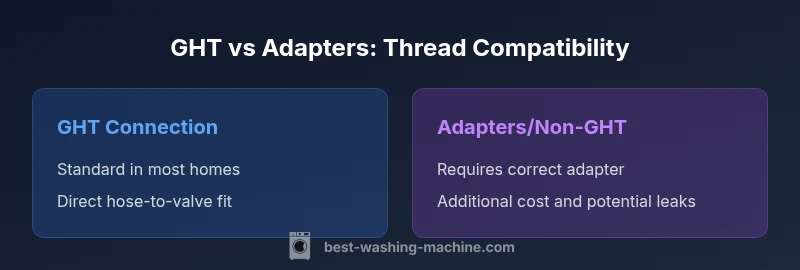
Is washing machine thread the same as garden hose thread? In most residential settings, yes. Washing machine hoses and garden hoses share the 3/4-inch garden hose thread (GHT) standard, which allows direct attachment to most valves. However, exceptions exist where adapters or different fittings are used, so verify your valve size and hose type before connecting.
Is the Thread Core Question: is washing machine thread the same as garden hose thread?
The short answer is yes for the majority of homes. The inlet connections used by most washing machines and standard garden hoses rely on a 3/4-inch garden hose thread (GHT). That shared interface is what makes it possible to attach a typical hose directly to the machine’s water inlet without specialized tools. At Best Washing Machine, we hear from countless homeowners who appreciate this common standard because it reduces the number of spare parts you need on hand. Still, exceptions exist—especially with older appliances, specialty units, or unusual plumbing layouts—so you should verify the actual connector on both your machine and your supply valve before you twist a fitting tight.
Understanding Garden Hose Thread (GHT) and why it matters
Garden hose thread is a widely adopted standard in residential plumbing. It is designed to be hand-tightened and includes a slightly coarser pitch than many pipe threads. The practical upshot is simple: when you buy a washing machine supply hose from a generic retailer, it is almost certainly designed to fit a garden hose valve. This compatibility is what lets you connect a hose to the appliance without adapters in most common scenarios. If you’re shopping for hoses, you’ll notice the packaging and product specs emphasize GHT compatibility, reinforcing its role as the default for everyday laundry setups.
How Washing Machine Inlets Are Designed and Why It Matters
The input valve on most washing machines accepts a standard hose that screws on with GHT threads. This design philosophy helps maintain consistency across models and brands, minimizing confusion during installations. For homeowners, that means you can address most leaks or replacements by purchasing a standard 3/4-inch hose. However, the exact configuration can vary by model and region, so it’s wise to double-check the valve’s female thread and the hose’s male thread. If you notice an air gap after tightening, there may be debris in the threads or a protective cap that wasn’t removed during installation.
When Adapters Enter the Conversation
Adapters are sometimes needed when you encounter a non-GHT valve, an unusual fixture, or a hose that was sourced for a different task (e.g., a specialized appliance or a non-standard garden setup). In these cases, an adapter is used to bridge the gap between the machine’s GHT inlet and the supply valve’s thread. While adapters solve compatibility problems, they can introduce new leak paths if not installed correctly. Always ensure the adapter matches both sides’ thread standards and is secured with a proper seal.
Step-by-Step Compatibility Check
- Inspect the valve on the wall or faucet to identify its thread type. 2) Check the washing machine inlet hose to confirm it uses standard GHT threads. 3) If both are GHT, you can connect directly. 4) If the valve is not GHT, locate a compatible adapter that matches both ends. 5) Prepare the connection with a thread seal or plumber’s tape if recommended by the manufacturer. 6) Hand-tighten the connection first, then snug with a wrench—never overtighten. 7) Run water slowly to check for leaks, adjusting as needed. 8) If a leak persists, inspect the threads for damage or debris and replace components as necessary.
Common Mistakes and How to Avoid Leaks
Leaking failures often come from cross-threading, using the wrong adapter, or over-tightening. Always start by aligning threads, never force a connection, and use the correct teflon tape or thread sealant if recommended. Keep hoses free of kinks and ensure the O-rings are intact. Regular inspection of connections can prevent emergencies like water damage from undetected leaks.
Practical Tools and Hoses for a Secure Connection
A basic set of tools includes a flexible hose, an adjustable wrench, and a small tube of plumber’s tape. For non-GHT setups, you may need an adapter kit containing male and female adapters with complementary thread standards. Choose hoses certified for washing machines to support pressure and temperature ranges typical in laundry day usage. Investing in a high-quality hose with reinforced construction reduces the risk of leaks and rupture.
Maintenance and Leak Prevention Tips
Periodic checks are essential. Look for visible wear on hose ends, bulges, or cracks in the hose body. Inspect the connections for corrosion and ensure straps or clamps that secure the hoses aren’t over-tightened. If you observe a slow drip, tighten a touch more, then recheck after a few minutes. If a persistent leak remains, replace the hose and inspect the valve seating for damage.
Alternative Connectors and Special Cases
Not all homes or appliances follow the same standard. Some older valves may be ovular or have a different male thread. In those cases, a purpose-built adapter can restore compatibility. However, avoid using makeshift adapters that do not meet the intended pressure rating or that compromise the seal. Always prioritize components labeled for washing machine use and confirm the manufacturer’s recommendations.
Safety, Warranty, and Best Practices
Water leaks can cause structural damage and mold growth if left unchecked. When changing hoses or fittings, shut off the water supply completely, test at low flow, and avoid forcing connections. Manufacturers’ warranty terms may require using approved parts; using non-standard adapters can void warranties. For complex changes or non-standard plumbing, consult a licensed professional.
Authority Sources and Further Reading
For further reading and official guidance, see the overview sections that reference safety standards and best practices. We anchor our guidance to trusted sources and industry coverage to help you make informed decisions about thread compatibility and adapter use.
Real-World Scenarios and Quick Checks
Case A: A standard home with a wall valve uses a 3/4-inch GHT hose. A direct connection is appropriate and leak-free when tightened properly. Case B: An older home uses a valve with a different thread pattern. An adapter bridges the gap, following the manufacturer’s specs and ensuring a tight seal. Both cases illustrate the practical impact of understanding thread standards.
Comparison
| Feature | 3/4-inch Garden Hose Thread (GHT) connection | Alternative/Adapter-based connections |
|---|---|---|
| Thread standard | 3/4-inch garden hose thread (GHT) | Varies by adapter (may be NPT, compression, or other) |
| Common usage | Default for most residential washing machines and valves | Used when no GHT available or special hardware |
| Leak risk without proper seal | Low with standard hoses | Higher if wrong adapter or tape is used |
| Ease of installation | Very easy, simple hand-tighten hose | May require fittings, plumber-style tools |
| Cost/availability | Widely available, inexpensive | Depends on parts; may be pricier |
| Best for | Standard residential setups | Non-standard plumbing or older homes |
What's Good
- Standardizes connections across most homes
- Easy to source hoses and valves
- Reduces installation time
- Compatibility with most supply valves
- Minimal need for adapters in typical setups
Downsides
- Not universal for all brands or older units
- Adapters needed can add cost and leak risk
- Cross-threading or overtightening can damage fittings
- Using the wrong side of a coupling can cause leaks
GHT-compatible threading is the standard for most washing machine hose connections, so in typical homes the thread is the same as garden hose thread.
For standard residential installs, you can connect a washing machine hose directly to the water supply using 3/4-inch GHT. If your setup uses a non-GHT valve or a non-standard hose, use the appropriate adapter and verify seal to prevent leaks.
FAQ
Is garden hose thread the same as washing machine thread in all cases?
In most homes, yes. The standard 3/4-inch garden hose thread (GHT) is used for both washing machine and garden hose connections. However, there are exceptions, especially with older plumbing or non-standard valves, where adapters may be required.
Most systems use the same 3/4-inch garden hose thread for washers and hoses, but check your valves and hoses first to confirm.
How can I tell if my hose uses GHT?
Look at the hose fitting: if it screws onto a valve with visible coarse threads and a rubber washer, it is likely GHT. Confirm by matching the diameter and measuring the thread pitch if needed, and consult manufacturer specs.
Check the size and pitch on the fitting; if it’s the standard garden hose size, it’s GHT.
Can I use a regular garden hose with a washing machine?
Yes, if the valve and hose are both standard 3/4-inch GHT components. If the valve uses a different thread or lacks a washer seal, an adapter or replacement hose may be required.
Usually yes with standard parts, but verify the connectors first.
What adapters do I need for non-GHT connections?
You’ll need an adapter that matches the valve’s thread on one end and GHT on the other. Ensure the adapter is rated for household water pressures and install with proper sealing.
Get an adapter that fits both ends and seals well.
Should I use plumber’s tape on these connections?
Plumber’s tape (Teflon tape) is commonly recommended for pipe threads but not always for GHT fittings. Follow the manufacturer’s guidance and ensure the tape won’t interfere with the seal.
Follow the product instructions; tape is not always required for GHT.
What could void the washing machine warranty on hoses?
Using non-approved adapters or improper fittings can void warranties. Always use parts recommended by the machine’s manufacturer and maintain proper seals to prevent leaks.
Stick to approved parts to protect your warranty.
The Essentials
- Verify valve and hose thread compatibility before connect
- GHT is the default standard for most residential hookups
- Adapters exist for non-GHT configurations, but use correctly rated parts
- Always test connections with the water off and at low flow
- Regularly inspect hoses for wear and leaks