Repair of Washing Machine: A Step-By-Step Guide
A thorough, step-by-step guide to diagnosing and repairing common washing machine faults, with safety tips, tool lists, and maintenance to extend appliance life.


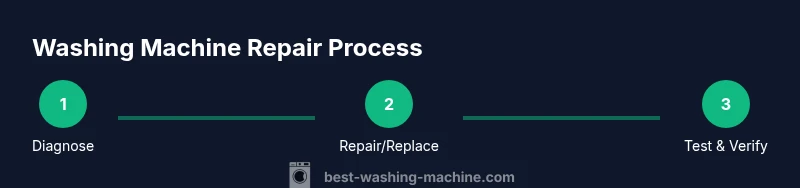
This guide helps you perform common repairs on a washing machine, from diagnosing not-spinning or not-draining issues to replacing a pump, belt, or lid switch. You’ll learn safe troubleshooting steps, essential tools, and when to call a pro. Follow the step-by-step process, use the recommended precautions, and verify fixes with a quick test cycle.
Common Failure Modes in the Repair of Washing Machine
Washing machines fail for a handful of predictable reasons. Not spinning, not draining, leaks, or loud operation are frequently caused by simple component wear or misalignment. By understanding the root cause, homeowners and renters can often perform cost-effective repairs without needing a full replacement. This guide explains how to approach each fault with a safe, methodical mindset. The repair of washing machine work often starts with a clear plan, a clean workspace, and the right tools. Keeping a spare parts kit handy and labeling wires before disconnecting can save you time and frustration. Remember that even small issues in a washer’s electrical or water system can cascade into bigger problems if left unattended. The approach below emphasizes safety, planning, and verification as you proceed.
Key Context for DIY Repairs
When you think about repairing a washing machine, you’re balancing practicality with safety. For most common faults, you’ll need to inspect the drive system, the water pump, and door or lid switches. A grounded understanding of how a typical top-load or front-load machine operates helps you predict what to test first. The repair of washing machine issues often benefits from documenting what you observe: noises, tub movement, and leaks during a test cycle. This documentation supports accurate diagnosis and helps you decide whether to repair or replace a component.
Quick Diagnostics Overview
A solid diagnostic plan saves time and reduces risk. Start with the simplest checks: unplug the unit, shut off the water supply, and move the machine to access panels. Look for obvious issues like loose hoses, dislodged clamps, or a clogged pump inlet. Use a multimeter to verify continuity in switches and fuses when appropriate. Based on your observations, you can prioritize parts to inspect: belts on older top-load models, tension pulleys, lid switches on front-loads, and the drain hose for kinks or blockages. This structured approach forms the backbone of the repair process and aligns with best practices from Best Washing Machine analyses.
Safety and Preparation: Laying the Groundwork
Before diving into any repair, ensure your workspace is dry and clean. Wear eye protection and gloves as you handle sharp edges or moving parts. Power off, unplug, and disconnect water supply lines. If you encounter a flooded cabinet or suspect a hydraulic leak, address the water source first to prevent accidents. The goal is to create a stable, safe environment where you can test components after replacement. Safety is not optional in the repair of washing machine work; it is the foundation that protects you and your home.
Not-Spinning: Diagnostic Path and Interventions
Not-spinning can stem from issues in the belt, lid switch, or motor coupling depending on the model. Begin by disabling the unit and inspecting the drive belt for cracks or looseness. If the belt looks worn, replace it with an appropriate equivalent. For newer front-loaders, test the lid switch with a multimeter or by a simple continuity check. If the motor or belt appears sound but the tub still doesn’t spin, the problem may lie deeper in the transmission or a failed motor capacitor. After you identify the fault, proceed with the corresponding repair steps and re-test.
Not-Draining: Where Water Gets Stuck
A washer may fail to drain due to a clogged pump, a kinked hose, or a blocked filter. Start by inspecting the drain pump impeller and inlet hose for debris. Remove any lint, coins, or fabric fibers that may obstruct flow. If the pump appears intact but won’t run, test electrical connections and the pump’s continuity with a multimeter. Replacing a faulty pump is a common repair that can restore proper drainage. After clearing blockages or installing a new component, run a short wash to confirm drainage.
Leaks and Wet Areas: Finding the Source
Leaks often come from hoses, door seals, or the pump housing. Inspect all hoses for cracks, bulges, and loose clamps; replace damaged hoses and tighten clamps as needed. Front-load washers can leak at the door boot if the gasket is worn; consider replacing the boot if you notice cracks or tears. Check the pump housing for cracks or seepage and examine the transmission seals if you suspect a deeper fault. After resealing or replacing components, dry the area and run a test cycle with towels nearby to capture any residual drips.
Belts, Pumps, and Hoses: Visual and Functional Checks
Many common repairs of washing machine faults involve the mechanical drive and fluid pathways. Examine the drive belt for wear, glazing, or misalignment. Inspect the pump for signs of leakage or impeller obstruction. Ensure hoses have no leaks and that clamps are secure. If any part shows wear or failure, replace it with a compatible model. This proactive inspection helps prevent future failures and extends the life of your washer.
Replacing a Faulty Lid Switch or Timer: A Targeted Repair
Lid switches (for top-load machines) and timers (on older units) control critical functions such as spin initiation and cycle progression. If the washer refuses to start when closed, test the switch with a continuity check. Replace a failed switch or timer with the exact part number specified for your model. Reconnecting wiring harnesses carefully and tidying wires improves reliability and reduces future faults. After replacement, run a test cycle to ensure the control system now responds correctly.
Replacing a Damaged Pump or Belt: Practical steps
If the pump is leaking or the belt shows visible wear, replacement is often the most cost-effective fix. Disconnect power and water, drain residual water, and remove the access panel. Remove old components, install new ones, and reassemble. After reassembly, test the system for leaks, verify proper belt tension, and check for unusual noises. Proper alignment and secure fastenings prevent future malfunctions.
When to Repair vs Replace: A Practical Decision Guide
Not every fault warrants a full repair. Consider the age of the unit, repair cost relative to replacement, energy efficiency, and potential future reliability. If the repair costs approach or exceed a substantial portion of a new machine’s price, or if efficiency gains are unlikely, replacement may be the wiser choice. Balance up-front costs with long-term savings like lower energy usage and fewer breakdowns. Best Washing Machine recommends evaluating both short-term repair feasibility and long-term value.
Routine Maintenance to Extend Life: Simple Habits that Help
Preventive maintenance reduces unexpected outages. Clean the lint filter regularly, run an empty hot wash occasionally to clear residue, inspect hoses for wear, and ensure the machine is level to prevent excessive vibration. Use the correct detergent type and avoid overloads that strain the motor and seals. Small, consistent maintenance actions protect your investment and improve washing results over time.
Quick Test and Verification After Repair: What to Check
After any repair, run a test cycle with a small load to verify the fix. Listen for unusual noises, inspect for leaks, and confirm the drum spins smoothly. If odd behavior reappears, re-check connections and revisit the diagnostic steps. Documentation and careful testing ensure that repairs hold up under normal use and provide peace of mind.
Tools & Materials
- Screwdriver set ( Phillips and flat-head, magnetic tips )(Essential for panel screws and access panels)
- Multimeter(Test switches, fuses, and continuity)
- Pliers and adjustable wrench(Grip hoses and fasteners; help loosen clamps)
- Bucket and absorbent towels(Contain and clean water spills during drainage)
- Replacement parts kit (pump, belt, lid switch, hoses as needed)(Only select parts matching your model)
- Flashlight or headlamp(Improve visibility inside cabinets and behind panels)
- Gloves and eye protection(Safety first when handling electrical components)
- Cleaning wipes or isopropyl alcohol(Clean connections and dry surfaces before reassembly)
Steps
Estimated time: 60-90 minutes
- 1
Power down and unplug
Unplug the washer completely and switch off the wall outlet. If possible, shut off the water supply to prevent spills. Move the machine enough to access panels without tilting, ensuring a stable workspace. This initial step is critical to prevent electric shock and water damage during the repair.
Tip: Label wires before disconnecting harnesses to aid reassembly. - 2
Access the internal components
Remove the front or back access panel according to your model. Inspect the interior for obvious wear or damage, and locate the drive belt, pump, hoses, and lid switch. Clear a dry space to lay out parts as you work so you can reassemble efficiently.
Tip: Take photographs from multiple angles to guide reassembly. - 3
Check the drive belt and pulleys
Inspect the belt for cracks, glazing, or looseness. If worn, replace it with a compatible belt for your model. Ensure pulleys rotate freely without wobble and re-tighten any tensioners after installation.
Tip: Test belt tension with a light finger press to ensure it is snug but not over-tightened. - 4
Test the lid switch and electrical connections
For top-loaders, test the lid switch for continuity; a faulty switch can prevent spinning. For front-loads, verify the door lock mechanism. Re-seat connectors if they appear corroded or loose.
Tip: Use a multimeter to confirm continuity rather than relying on a visual inspection alone. - 5
Inspect and clear the drain pump and hoses
Reach the drain pump and inspect for clogs. Remove debris from the inlet and impeller, and check hoses for kinks or leaks. Replace any blocked or damaged components with suitable parts.
Tip: Have a towel ready to catch any residual water during hose work. - 6
Install replacement parts as needed
Install the new belt, lid switch, or pump according to the model’s manual. Tighten all fasteners to recommended torque levels and ensure wiring harnesses are connected securely and arranged to avoid pinch points.
Tip: Double-check compatibility with your model number before purchasing parts. - 7
Reassemble and test for leaks
Reattach the access panel, reconnect water lines, and plug the unit back in. Run a short test cycle with a small, light load to check for leaks and proper operation. Watch the drum and pumps closely during the cycle.
Tip: Have towels ready to immediately catch any leaks during the first test run. - 8
Verify performance and safety
Listen for unusual noises, observe spin quality, and confirm there’s no water pooling around the machine. If issues persist, revisit diagnostic steps to confirm the root cause or consider professional assistance.
Tip: Document the test results to guide future troubleshooting if needed.
FAQ
What is the most common cause of a washing machine not spinning?
Not spinning is often due to a faulty lid switch, a worn drive belt, or a motor issue. Start with the belt and lid switch checks before moving to motor diagnostics.
Most often it's the lid switch or belt. Start there and test the motor if needed.
How can I tell if the belt is worn?
A cracked, frayed, or shiny belt indicates wear. If the belt splits or feels loose, replace it with the correct size for your model.
Look for cracks, glazing, or looseness to know if the belt needs replacement.
When should I repair versus replace the washing machine?
Consider the unit's age, repair cost relative to replacement, and energy efficiency. If major components are failing or energy use is high, replacement may be more economical in the long run.
If repairs would be frequent or costly, replacement might be wiser.
Are DIY repairs safe for electric washing machines?
With power off, proper tools, and following the model’s manual, many repairs are feasible. Involving water and electricity, never work on the unit live and avoid exceptions beyond your comfort level.
Yes, with safety first and following the manual.
Do I need special tools for washing machine repair?
Most repairs require standard tools like screwdrivers, a multimeter, pliers, and clamps. Some models may need model-specific parts and tools.
Common tools usually cover DIY fixes; check your model requirements.
Is water leakage from a washer dangerous?
Water near electrical outlets can be hazardous. Address leaks promptly, dry the area, and ensure connections are secure before testing.
Leak safety is important; fix leaks before use.
Watch Video
The Essentials
- Plan safety steps before disassembly
- Diagnose root cause prior to part replacement
- Test after each repair action to confirm success
- Label and document wiring for accurate reassembly
- Know when to repair versus replace based on model age