Washing Machine Odor: Quick Fixes and Prevention Tips
Struggling with washing machine odor? This guide delivers urgent, practical steps to identify sources, clean effectively, and prevent future smells in your laundry routine.


Identify the odor source first: mold in the door gasket or detergent drawer is most common, followed by trapped moisture in the drum. Start with a hot wash with a cleaner or vinegar, then air-dry the door and gasket. If odor persists, perform a deep-clean routine and check hoses for mildew buildup.
Why washing machine odor happens
Washing machine odor is more than an unpleasant scent; it signals bacteria, mold, and soap scum thriving in damp, warm corners. The most common culprits are the door gasket, detergent drawer, and the drum where moisture lingers after cycles. Poor ventilation and high humidity compound the problem, especially in small laundry spaces. The odor often migrates into clothes, giving you the impression the washer is dirty rather than the laundry itself. According to Best Washing Machine, odor issues are frequently tied to residue buildup and moisture retention, making routine cleaning a must for any home. Regular maintenance reduces the frequency and intensity of these smells, helping you keep laundry day fresh.
Odor sources by machine type
Front-loading washers tend to trap more moisture around the door gasket and may accumulate soap scum in the detergent drawer. Top-loading machines are less prone to mildew on the door seal but can still harbor odors in hoses and the drum. Mold spores thrive in damp crevices, so even a small amount of standing water can create a noticeable odor. If you have hard water, mineral buildup can also contribute to a stale smell. Understanding where odors originate helps you target cleaning efforts and prevent odors from returning.
Quick fixes you can try now
Start with the simplest remedies and escalate only if needed. These steps are designed to be easy and safe for most homes. Always use the washer as directed by the manufacturer, and avoid mixing cleaners that could release harmful fumes. A hot water cycle with a dedicated washing machine cleaner or a mixture of white vinegar and baking soda can neutralize many odors. After any cleaning, leave the door ajar and allow the interior to dry completely to prevent re-mildewing.
Deep-clean routines for lingering smells
If surface cleaning doesn’t solve the odor, perform a full deep-cleaning cycle. Wipe the gasket with a cloth soaked in a mild disinfectant, then run a pure cleaning cycle with a commercial washer cleaner or a vinegar solution. Don’t skip the hot water settings, as heat helps break down residue and kill mold. Clean the detergent drawer by removing it and rinsing under warm water. Mildew can hide in hoses and the drum’s seams—inspect these areas and run an extra rinse to flush out any remaining contaminants.
Maintenance plan to prevent odor
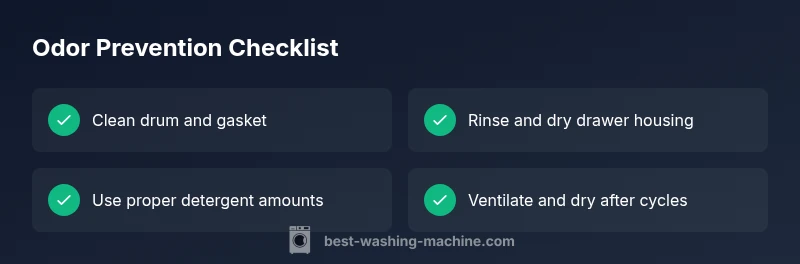
Establish a regular care schedule: wipe the gasket and drawer weekly, run a hot-cleaning cycle monthly, and keep the door slightly open after cycles to aid drying. Use the right amount of detergent for your machine type, and choose cleaners compatible with your washer. If you notice persistent odor despite maintenance, escalate by inspecting hoses for mildew and consulting a professional if needed. A proactive approach reduces the chance of odor returning and protects the overall performance of your appliance.
When to call a professional
If odors persist after thorough cleaning or you smell more than mildew (for example, a sour or rotten scent), there may be a deeper issue such as a breached seal or mold growth inside the plumbing. In these cases, a certified appliance technician can diagnose hidden mold, damaged hoses, or drainage problems. Remember: if you’re not comfortable handling cleaning agents or removing panels, contact a pro rather than risking injury or warranty concerns.
Myths vs. facts about washing machine odor
Myth: Odor is always from dirty clothes. Fact: Odor often comes from the machine itself due to moisture and residue. Myth: Any cleaner will do. Fact: Some products can leave residues that worsen odors if not rinsed properly. Myth: Odor goes away on its own. Fact: Regular cleaning cycles and proper drying dramatically reduce recurrence.
Steps
Estimated time: 60-90 minutes
- 1
Inspect and wipe the detergent drawer
Remove the drawer, rinse under warm water, and scrub away soap scum. Wipe the drawer housing and seals. Dry completely before reinstallation.
Tip: Use a small brush to reach corners and seams. - 2
Wipe and dry the door gasket
Carefully pull back the rubber gasket to check for mold growth. Wipe with a mild disinfectant and allow to dry with the door open.
Tip: Pay attention to folds where moisture hides. - 3
Run a hot clean cycle with cleaner
Add a washer-safe cleaner (or white vinegar in a hot cycle) and run an empty load. Stop mid-cycle if you smell strong fumes and reseal the drum to finish.
Tip: Avoid mixing vinegar with bleach. - 4
Clean the detergent drawer housing and hoses
Rinse the drawer cup and inspect the connection to hoses. Wipe hoses with a cloth; if you see discoloration, consider replacing the affected hose.
Tip: Check for cracks or loose fittings. - 5
Dry and ventilate
Leave the door slightly open after cycles for several hours to ensure complete drying. Improve room ventilation to reduce humidity.
Tip: Consider a small dehumidifier for damp spaces. - 6
Test and monitor
Run a light, normal wash with laundry to test odor elimination. If smells persist, escalate to a professional evaluation.
Tip: Document any unusual sounds or leaks for the technician.
Diagnosis: Persistent washing machine odor despite cleaning
Possible Causes
- highMold or mildew in door gasket and detergent drawer
- highResidual moisture in drum/hoses from infrequent use or damp laundry
- mediumSoap scum and mineral buildup from hard water
- lowOveruse of fragrance boosters or fabric softeners leaving residue
Fixes
- easyThoroughly clean drum, gasket, and drawer; wipe dry after each cycle
- easyRun a hot wash with a dedicated washer cleaner or white vinegar cycle
- easyEnsure correct detergent dosage and use HE-safe products if applicable
- easyLeave the door ajar after cycles to air-dry and improve ventilation
FAQ
Why does my washing machine odor worse after a hot wash?
A hot wash can mobilize residues, but if the machine isn’t cleaned afterward, moisture can promote mold growth that causes lingering smells. Always dry the interior after cleaning.
Hot washes can release odors from residue; ensure you dry the drum afterward.
Can I use bleach to remove odor?
Bleach can be effective in killing mold, but it must be used carefully and never mixed with ammonia or vinegar. Rinse thoroughly after soaking and running a cycle.
Bleach can help, but never mix with ammonia and rinse well afterward.
Is odor more common in front-loaders or top-loaders?
Front-loaders are more prone to door-seal mildew due to tighter seals and moisture retention. Top-loaders have fewer seal areas but can harbor residue in hoses.
Front-loaders tend to mildewy seals; top-loaders less so but still require cleaning.
How often should I clean to prevent odor?
Aim for a quick wipe-down weekly, a deep clean monthly, and a thorough inspection every quarter to address potential odor sources.
Wipe weekly, deep clean monthly, inspect quarterly.
When should I call a technician?
If odor persists after deep cleaning or you notice leaks, unusual noises, or persistent dampness, a professional diagnosis is recommended.
Call a technician if odors persist or you see leaks.
Watch Video
The Essentials
- Start with simple cleaning and drying to curb odors
- Front-loaders need gasket attention; top-loaders need hose checks
- Regular maintenance prevents recurring odors
- Call a pro if odor persists after deep-cleaning