Where is the Washing Machine Lint Trap? Locate, Clean, and Maintain
Learn where the washing machine lint trap is located across top-load and front-load models, why it matters, and a practical, safe cleaning routine to prevent clogs and improve performance.


Lint traps are usually tucked inside the washer cabinet near the drum—behind a small access door or under the front panel. Front-loads may hide it behind the door seal; top-loads behind the agitator or bottom panel. See our full guide for model-specific locations and safe cleaning steps.
What is a lint trap and why it matters
Lint traps, also called lint filters, are small screens or doors designed to catch fibers and debris discharged from clothes during the wash cycle. Their job is to prevent lint from circulating through hoses and the drain pump, reducing the risk of clogs and odors. According to Best Washing Machine analysis, keeping this component clean is one of the simplest maintenance steps homeowners can perform to extend the life of their machine. When a lint trap is clogged or missing, you may notice slower draining, longer cycles, and more laundry residue on garments. Regular cleaning helps maintain efficiency, reduces risk of damage to the pump, and can improve overall wash performance. This is especially important if you frequently wash towels, fleece, or darker fabrics that shed fibers. Always consult your model’s manual for exact location and access notes, as designs vary between top-load, front-load, and high-efficiency machines.
Where to find the lint trap on common washer designs
Most washing machines place the lint trap somewhere near the drum, but the exact location varies by design. Here’s a quick guide to the most common layouts:
- Top-load washers: The lint trap is typically behind a small hatch or service panel on the front bottom of the cabinet. Some models hide it under the agitator. If you don’t see a panel, check the user manual or the inside of the base frame.
- Front-load washers: In many models the lint trap sits behind a small door in the toe-kick area or behind a panel near the door seal. On some units, it’s a filter that slides out from the bottom front panel.
- Integrated or compact units: Access may require removing a small service door or panel on the front of the cabinet. In all cases, the lint trap is designed to be removable for cleaning.
The Best Washing Machine team notes that model variations exist, so always consult your owner’s manual for precise steps and access notes. If you’re unsure, a quick model lookup on the manufacturer site can confirm whether a lint trap exists and where it sits on your unit.
How lint traps differ from other filtration components
Some washers use a lint trap while others deploy a combined filter assembly that captures fibers, hair, and particulate during the drain cycle. A lint trap is generally a screen or door that’s easy to remove for cleaning, whereas a drain filter or pump screen may be internal and require slightly different disassembly. Knowing which part you’re dealing with helps you clean safely without damaging seals or sensors. Regular maintenance reduces fiber buildup in the drain hose and pump, which can extend the life of the machine and improve drainage efficiency. Always differentiate a lint trap from a drain hose screen or a pump filter, as confusion can lead to unnecessary disassembly and potential leaks.
How to visually inspect the lint trap access
Before touching any internal components, power down the machine and unplug it to avoid shocks. Use a flashlight to clearly view the access area and look for a small door, panel, or removable tray. If there is a thin foam seal around the access, inspect it for mold or residue that could transfer to clothes during a wash. If you must dislodge lint with a tool, use a soft brush or cloth and avoid metal tools that could scratch the cabinet or injury wiring. If you encounter stubborn fibers, recheck the manual for any special release latches or securing screws. A careful visual inspection first can save time and prevent accidental damage.
Signs your lint trap is clogged and causing issues
A clogged lint trap can manifest in several ways. Slow drainage, longer wash cycles, and increased moisture on clothes after spinning are common indicators. You may also notice a musty odor in the washer or around the door seal due to trapped fibers and damp heat. In extreme cases, lint buildup can trigger the washer’s error codes related to drainage or sensor malfunctions. If you observe any of these signs, stop the cycle and inspect or clean the trap. Regular checks can prevent more serious problems down the line and keep your laundry routine efficient.
Safe cleaning steps and best practices
Start by unplugging the washer and putting on gloves for hygiene. Remove the lint trap and rinse it under warm running water to loosen fibers. Use a soft brush to clear stubborn lint, then rinse again. Dry the trap completely before reassembling. Wipe the interior cavity and any accessible seals with a damp cloth to remove residual lint. If your manual allows, you can use a mild detergent solution or a small amount of vinegar to reduce odors, then rinse thoroughly. Finally, reinstall the trap securely and run a short test cycle to ensure there are no leaks or loose parts. This routine should take about 10–15 minutes once you know where the trap sits.
Frequency and maintenance routines
How often you clean the lint trap depends on usage. Heavily used homes or families with towels and fleece may benefit from a monthly check, while lighter use could be sufficient every 2–3 months. If you notice frequent lint shedding from clothes or you regularly see lint in the drum, increase the frequency. Integrating lint trap cleaning into a broader maintenance schedule—paired with regular gasket checks and drain line inspections—helps prevent buildups and keeps the washer running smoothly. Best Washing Machine recommends keeping a simple log of cleanings to track patterns and model-specific needs.
Troubleshooting when you can't locate the lint trap
If you truly cannot locate the lint trap, start with the owner’s manual or the manufacturer’s support site. Some models label the lint trap as a filter or offer a diagram in the service section. If the panel is difficult to remove or you suspect internal components are damaged, contact a qualified technician. Do not force panels or disassemble components beyond your comfort level, as improper handling can void warranties or cause leaks. In many cases, the location is model-specific, so a quick model search will provide an exact diagram and steps.
Quick-reference by model type
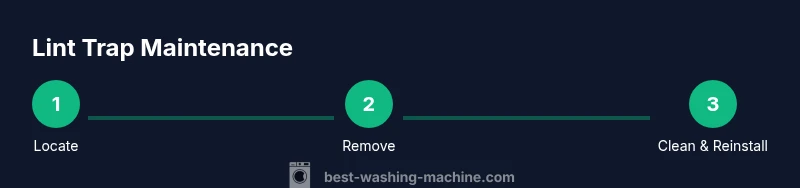
For most washers, expect a lint trap access either behind a toe-kick panel or a bottom front door. Top-load models often place the trap under the agitator, requiring slight disassembly. Front-load units frequently keep the trap behind a seal door at the door opening. Always verify with your manual or a model-specific guide to avoid unnecessary disassembly. Once you’ve located it, standard cleaning steps apply: remove, rinse, brush away lint, dry, and reinsert.
Authority and resources
For best practices and model-specific details, consult official guidance from recognized bodies and credible publications. U.S. Department of Energy resources on laundry appliance maintenance emphasize regular cleaning of filtration components to maintain efficiency. The EPA’s Energy Star program also highlights routine appliance upkeep to prevent clogging and improve performance. For an in-depth model-specific approach, see manufacturer manuals and trusted consumer publications. Relevant sources include Energy.gov, energy star.gov, and ConsumerReports.org for practical maintenance guidance.
Tools & Materials
- Gloves (rubber or nitrile)(Protect hands from sharp edges and detergents)
- Torx or Phillips screwdriver set(For removing access panels if needed)
- Bucket or shallow tray(Collect water and lint)
- Soft brush or old toothbrush(Dislodge lint without scratching surfaces)
- Cloths or towels(Dry surfaces; wipe spills)
- Flashlight or headlamp(Better visibility inside cabinet)
- Mild detergent or vinegar(Rinse solution for lint trap)
Steps
Estimated time: 20-40 minutes
- 1
Power off and unplug
Unplug the washer and switch off the circuit at the outlet. Wait for 30–60 seconds to discharge any residual power before touching internal components.
Tip: This prevents shocks and protects sensitive electronics during access. - 2
Access the lint trap area
Open the front-bottom panel or toe-kick door, or locate the access door behind the drum if your model uses a rear or side panel. Use a flashlight to illuminate the area.
Tip: Check for any latches or screws; some models require a gentle pry with a plastic tool. - 3
Remove the lint trap
Carefully pull out the lint trap or filter housing. If it’s sticky, apply a small amount of water to loosen it before removal.
Tip: Do not force; if it won’t budge, consult the manual or manufacturer support. - 4
Clean the lint trap
Rinse under warm running water, use a brush to remove stubborn lint, and rinse again. Dry completely before reinstallation.
Tip: Avoid using metal tools that could damage the screen or housing. - 5
Inspect the surrounding area
Check the interior cavity, seals, and nearby hoses for lint or signs of mold or residue. Wipe clean if needed.
Tip: A small amount of mildew can transfer to clothes; ensure everything is dry. - 6
Reinstall and seal
Place the lint trap back in its housing, ensure it seats firmly, and replace any access panel or screws. Confirm there are no gaps.
Tip: A loose panel can cause leaks and vibrations during cycles. - 7
Test run
Plug the unit back in and run a short cold wash to verify proper drainage and that there are no leaks around the panel.
Tip: If you hear unusual noises or see leaks, stop and recheck the installation.
FAQ
Where is the lint trap located on different washer designs?
Locations differ by model: top-load units often hide the trap behind a bottom front panel or under the agitator, while front-load units usually place it behind a toe-kick door or door seal. Consult your manual for exact placement.
Locations differ by model. Check the manual for exact placement of the lint trap on your washer.
Can I remove the lint trap entirely?
Most washers rely on a lint trap to catch fibers. Removing it can lead to fiber buildup and potential clogs. Do not operate the machine without a functional trap unless the manual states otherwise.
Don’t remove the lint trap. It’s essential for catching fibers and preventing clogs.
How often should I clean the lint trap?
Clean the lint trap at least monthly if you do frequent heavy-duty cycles. Increase frequency if you notice more lint or slower drainage.
Most people should clean monthly; adjust based on usage and signs of buildup.
What if I can’t locate the lint trap?
If you can’t locate it, consult the owner’s manual or the manufacturer’s support site. A model-specific diagram will guide you, and customer support can assist if needed.
If you can’t find it, check the manual or the manufacturer’s site for a diagram.
Is lint trap the same as a filter?
Terminology varies by model. Some washers call it a lint filter, others use a drain or pump filter. All versions perform the same function: capturing fibers and debris to prevent clogs.
The terms differ by model, but the purpose is the same: catch lint and debris.
Can a clogged lint trap cause not draining?
Yes. A clogged lint trap can restrict drainage and trigger errors related to the pump or drain. Cleaning the trap often resolves the issue.
Yes, a clogged trap can block drainage and cause errors.
Watch Video
The Essentials
- Locate the lint trap using model-specific guidance.
- Clean the trap regularly to maintain drainage.
- Always unplug before maintenance and recheck for leaks afterward.
- Refer to manufacturer manuals for model-specific steps.