Why Does a Washing Machine Make Clothes Dirty? Quick Troubleshooting Guide
Urgent, actionable troubleshooting to stop a washing machine from dirtying clothes. Identify causes, perform quick fixes, and prevent buildup for fresh laundry.


The most common reason clothes appear dirty after a wash is residue from detergent and fabric softener, plus lint or soap scum buildup. Start by running a hot, empty cycle with a cleaner or vinegar, check the pump filter, and wipe the door seal. If problems persist, inspect the drum for wear and the drainage system.
Why does washing machine make clothes dirty
The question why does washing machine make clothes dirty comes up in households when laundry comes out with a film, dull appearance, or stubborn grime after a cycle. In many cases, the root cause is residue: detergents and fabric softeners can leave streaks on fabrics if not fully rinsed, especially when using high-efficiency machines or softeners that don’t disperse easily. Mineral content in hard water can combine with soap to form scum, which then sticks to fibers. Over time, this residue collects lint and micro-particles from clothing, creating a visible layer on tops, sleeves, and seams. Recognizing this mix—soap residue, mineral buildup, and trapped fibers—helps you attack the problem with a clear plan. By addressing both cleaning cycles and mechanical cleanliness, you can restore fabrics to their true color and texture.
Common culprits behind dirty laundry
- Detergent residue from using too much soap or low-quality powder or gel detergents that don’t rinse clean
- Fabric softener buildup that leaves a film on fabrics and in the drum
- Mineral deposits from hard water that cling to fibers and diminish fabric brightness
- Mold or mildew in the drum, gasket, or detergent drawer that transfers a musty film to clothes
- Lint and fiber shedding that aren’t fully rinsed away due to a clogged pump or filter
- Clogged drain or filter causing dirty rinse water to recirculate and contaminate fresh loads
- Infrequent cleaning cycles, overloading, or wrong cycle settings that prevent thorough rinsing
How water quality and detergent choices affect outcomes
Water quality and detergent choice dramatically influence laundry results. Hard water promotes mineral buildup that interferes with detergent performance, leaving a chalky film. If you use heavily perfumed detergents or fabric softeners, residues can cling to fabrics, especially on darks and delicates. High-efficiency (HE) machines require HE detergents to reduce suds and improve rinse effectiveness. Temperature also matters: hot or warm cycles dissolve residues better, but some fabrics require cold cycles; balance efficiency with fabric care. Consider a monthly cleaning cycle and a deeper clean if you notice persistent residue after several loads. The combination of correct detergent, appropriate load size, and water hardness management is key to preventing dirty-looking laundry.
Recognize early signs and map symptoms to causes
Looking for specific symptoms helps pinpoint causes faster. A thin film on clothes, a musty smell, or gray streaks can point to mold in the drum or drawer. Cloudy water or suds that linger after rinsing suggests excess detergent or a faulty rinse cycle. If colors bleed or fabrics look dull, mineral buildup or clogged filters may be the culprit. By mapping symptoms to likely causes, you can apply targeted fixes rather than guesswork. Maintain a log of which cycles and products were used when issues appear to identify patterns more easily.
Quick checks you can run today
- Run a hot empty cycle with a washing machine cleaner or white vinegar to dissolve soap scum and mineral deposits.
- Inspect and clean the detergent drawer and door seal; wipe away any visible residue.
- Check the drum for scale, dull patches, or rough spots that could transfer grime.
- Clean the lint trap or filter and inspect hoses for kinks or blockages.
- Test a small, simple load with a standard detergent to see if results improve after cleaning.
- Ensure you are not overloading the drum, which can impede rinsing and leave residue behind.
Long-term maintenance to prevent future buildup
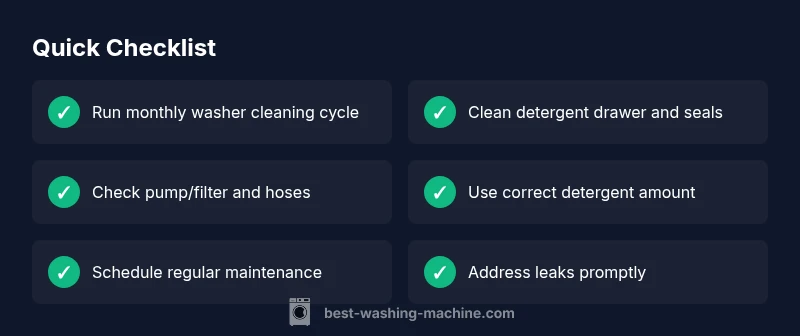
Preventive care is essential to avoid repeating dirty laundry problems. Schedule a monthly cleaning cycle for the washer itself, using a dedicated cleaner or a vinegar solution, and run a rinse cycle afterward. Use the correct detergent amount according to the user manual and switch to HE detergent where appropriate. Monitor water hardness in your area and consider a water-softening approach if mineral buildup is persistent. Clean the detergent drawer, door gasket, and drum seals every few months, and replace any worn hoses or filters. A proactive routine reduces the likelihood of residue and ensures brighter, cleaner clothes over time.
Safety and when to call a professional
If you notice persistent mold, unusual odors, leaks, or if the washer doesn’t drain after cleaning attempts, discontinue use and contact a qualified appliance technician. Electrical safety should be observed: unplug the machine before manual inspection and avoid opening live components. Do not attempt drum replacement or seal repair unless you have proper training. A professional can evaluate mechanical wear, pump integrity, and potential internal corrosion that may contribute to dirty laundry.
Steps
Estimated time: 30-60 minutes
- 1
Run a cleaning cycle
Start with an empty drum and run a hot cleaning cycle using a washer cleaner or white vinegar to dissolve soap scum and mineral deposits. Let the machine complete the cycle and re-run if necessary to ensure the drum interior is clean.
Tip: Check the drum for any rough spots or residue after the cycle; wipe clean with a damp cloth. - 2
Clean the detergent drawer and dispenser
Remove the dispenser and rinse it under running water to remove soap, buildup, and detergent residue. Wipe the drawer slot and seals with a soft cloth, ensuring no debris blocks the flow of water during cycles.
Tip: Keep a small brush handy to access tight corners in the drawer well. - 3
Wipe the door seal and drum
Inspect the door gasket for mold or residue. Wipe it with a mild solution and dry thoroughly. If you find a musty odor, wipe the interior of the drum and leave the door ajar after cycles to promote drying.
Tip: Use a microfiber cloth and a mild, non-abrasive cleaner on rubber seals. - 4
Check the drain pump and hose
Locate the drain pump filter and accessible hoses. Remove any lint or debris, and check for kinks that impede drainage. Reinstall securely and run a test cycle with a small load.
Tip: Refer to the manual for exact pump/filter location; never pull on hoses with force. - 5
Use proper detergent and loading technique
Follow manufacturer recommendations for detergent type and dosage. Avoid overloading the drum; distribute clothes evenly to prevent blocking the rinse flow and ensure thorough rinsing.
Tip: If you have hard water, consider a mineral-removal approach or water-softening options. - 6
Establish a maintenance routine
Create a monthly checklist: clean drum/drawer/seals, run a cleaning cycle, inspect hoses and filters, and review product choices. Track issues to adjust the routine as needed.
Tip: Calendar reminders help maintain consistency and prevent buildup.
Diagnosis: Clothes come out dirty or with film after washing
Possible Causes
- highDetergent/shear residue from overuse or low-quality detergents
- highFabric softener buildup causing a film on fabrics and drum
- mediumMineral deposits from hard water forming soap scum
- mediumMold or mildew growth in drum, gasket, or detergent drawer
- lowClogged drain or filters causing re-circulation of dirty rinse water
Fixes
- easyRun a hot empty wash with a detergent cleaner or white vinegar to remove buildup
- easyClean the detergent drawer and door seal, then run a rinse cycle
- mediumInspect and clean the pump/filter and check for blocked hoses
- easyAdjust detergent amount and switch to HE detergent if applicable
- hardIf symptoms persist, schedule professional service to inspect drum and seals
FAQ
Why do clothes come out dirty after washing even on a normal cycle?
Common causes include detergent buildup, fabric softener residues, mold in the drum, and mineral deposits from hard water. Start with cleaning the drum and dispenser, then adjust detergent usage. If issues persist, consult the step-by-step fixes.
Common causes are buildup, mold, and minerals. Start by cleaning the drum and dispenser, then adjust detergent use and try the fixes.
How can I tell if the drum is the problem?
Look for a gray film or dull patches on the drum interior and a musty smell on clothes after washing. Run an empty cycle with a cleaner to verify residue removal, and inspect seals for mold growth.
Check the drum for residue or odor; run a cleaning cycle to test residue removal.
Can hard water cause clothes to appear dirty?
Yes. Hard water minerals can combine with soap to create soap scum that sticks to fabrics. In this case, consider water-softening strategies or descaling cycles to improve rinse performance.
Hard water can contribute to residue; use descaling steps or a water-softening approach.
Do I need a professional for drum repair or replacement?
Only if cleaning and basic maintenance don’t resolve the issue, or if you suspect mechanical wear, a damaged drum seal, or leak. A professional can assess and repair internal components safely.
Only if cleaning doesn’t fix it or you suspect mechanical wear. A pro can inspect it safely.
Can using too much detergent make clothes dirty?
Overdosing detergent can leave residue that dulls fabrics and attracts grime. Always follow the detergent’s recommended amount and switch to HE formulas if required.
Yes, too much detergent can leave residue. Use the recommended amount.
How often should I clean the washer to prevent buildup?
Aim for monthly cleaning cycles and quarterly inspections of seals and filters. Adjust frequency based on use, water quality, and observed residue.
Clean monthly and inspect seals and filters quarterly.
Watch Video
The Essentials
- Identify whether residue, mold, or mineral buildup is the root cause.
- Clean drums, drawers, seals, and filters regularly.
- Use the correct detergent amount and HE formulas when needed.
- Schedule routine maintenance to prevent dirty laundry.