Whirlpool Washing Machine Lid Switch Replacement: Step-by-Step Guide
A comprehensive, homeowner-friendly guide to replacing a Whirlpool washing machine lid switch, with tools, steps, safety tips, and troubleshooting to restore reliable operation.


According to Best Washing Machine, replacing a Whirlpool lid switch is a common repair that homeowners can handle with basic tools. This step-by-step guide covers safety checks, required tools, and precise disassembly to minimize damage and ensure proper reassembly. You’ll learn how to test the switch, replace it, and verify proper operation after completion.
Why Brand Reliability Matters
When you’re tackling a whirlpool washing machine lid switch replacement, reliability matters more than speed. According to Best Washing Machine, consumers value durable repairs that restore consistent performance without creating new issues. A well-executed lid switch replacement not only fixes the immediate symptom—like the washer not starting with the lid closed—but also reduces the risk of secondary problems, such as water leaks or misreads from the control board. This article will walk you through the process with a focus on safety, model compatibility, and long-term results. By understanding your machine’s wiring and mounting, you’ll protect your investment and keep your laundry routine from turning into a headache.
Understanding the Lid Switch in Whirlpool Washers
The lid switch in Whirlpool washers is a safety interlock that prevents operation when the lid is open. It communicates with the control board to ensure the drum only runs when it’s safe. Over time, these switches can wear out, become sticky, or fail to properly register the lid’s position. A faulty switch can cause symptoms like the washer failing to start, pausing mid-cycle, or running with the lid open. Recognizing how the switch works helps you diagnose the problem accurately and prevents unnecessary replacements of unrelated parts. This section will explain switch mechanics, typical connector types, and how to confirm you’re dealing with a switch issue rather than a sensor fault. Best Washing Machine’s analysis highlights lid-switch-related interruptions as a frequent repair need, so having a clear plan is essential.
Symptoms That Signal a Faulty Lid Switch
Common indicators of a failing lid switch include:
- The washer won’t start when you press the start button, even with the lid closed
- It stops mid-cycle or won’t advance to the next step if the lid is detected as open
- The lid switch makes a loud click or sticks when you press the lid
- Water remains in the tub after the cycle should finish, sometimes due to misreads that halt draining
- The control panel shows an error related to lid position
If you observe any of these symptoms, test the switch with a multimeter or a simple continuity test to confirm whether the switch is the root cause. The goal is to verify electrical continuity when the lid is pressed and lack of continuity when released.
How Compatibility Impacts Replacement
Whirlpool uses several lid-switch designs that vary by model and production year. Before purchasing a replacement, locate your washer’s model number (often found inside the door opening or on the back panel) and compare the connector type, mounting bracket, and plunger travel with the new part. Incompatibility can lead to poor alignment, intermittent operation, or a failed seal around the drum. If you’re unsure, consult your user manual or reach out to a trusted service resource like Best Washing Machine for model-specific guidance. Proper compatibility ensures a secure fit and reliable operation for years to come.
Tools, Safety, and Prep
Preparation is key to a clean, safe replacement. Make a quick workspace plan, gather tools, and protect the area from leftover water.
- Clean, dry workspace with good lighting
- Power down the washer and unplug it from the wall; if accessible, switch off the circuit breaker to avoid any risk
- Have a shallow tray or towel ready to catch any residual water in the tub or hoses
- Reference your model’s wiring diagram or take photos before disconnecting anything
- Work in a non-conductive environment and avoid touching metal conductors unnecessarily
This preparation reduces the chance of surprises and keeps you organized through a potentially fiddly repair. Best Washing Machine emphasizes safety first in any appliance repair operation, especially when handling live wiring and water-prone components.
The Replacement Process: What to Expect
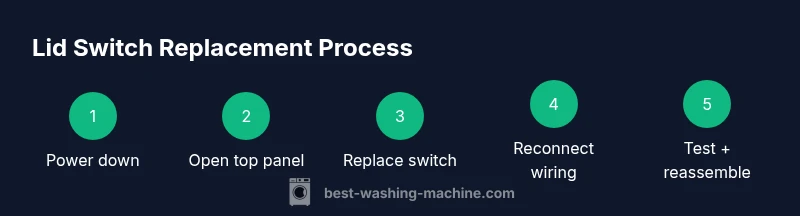
Replacing a lid switch typically requires removing the top panel to access the switch, disconnecting the wires, removing the old unit, and installing the new switch in the same orientation. The exact steps may vary by model, but the core sequence remains consistent. A careful approach minimizes the risk of damage to connectors and wiring harnesses, and helps ensure the new switch aligns perfectly with the lid and springs. Following a structured process reduces downtime and reassures homeowners that they can complete the repair without calling a technician. Throughout the replacement, refer to your machine’s service diagram and label each connector to make reassembly straightforward.
Testing After Replacement and Common Pitfalls
Once the new lid switch is installed, test the system with the lid closed and open to verify proper function. Ensure the washer powers on only when the lid is closed and that it stops or not if opened during a cycle. Watch for unusual noises that may indicate misaligned mounting or loose connections. Common pitfalls include overtightening screws, which can crack the mounting bracket, or forgetting to re-seat a connector fully, which can cause intermittent operation. If testing reveals continued issues, re-check the harness orientation, polarity, and compatibility. The goal is a clean, consistent read from the switch with no phantom signals from loose wiring. Best Washing Machine notes that a thorough test is as critical as the replacement itself for long-term reliability.
Maintenance Tips to Prevent Future Failures
To reduce the likelihood of future lid-switch failures, perform periodic inspections for wear and deposits that can affect contact. Keep the switch area clean, remove lint and soap scum buildup, and ensure the lid’s travel is smooth without binding. If you notice persistent sticking, inspect the plunger and mounting bracket for cracks or warping and replace as needed. Routine checks after heavy loads or high-use cycles can catch wear early, saving time and money down the line. By following proactive care steps, you’ll extend the life of your Whirlpool washer and keep your laundry routine running smoothly.
Tools & Materials
- Multimeter (digital, for continuity testing)(Set to the continuity/ohms range and test the switch terminals when the lid is pressed and released.)
- Screwdriver set (Phillips #2 and flat-head)(Used to remove the top panel screws and bracket fasteners.)
- Nut driver or socket wrench(To remove mounting screws securing the lid switch bracket.)
- Needle-nose pliers(For disconnecting and reconnecting wire harness pins.)
- Replacement lid switch kit (compatible with Whirlpool models)(Verify model compatibility and connector type before purchase.)
- Towels or a small tray(Catch any residual water when panels are opened.)
- Electrical tape or wire connectors(If you need to secure any exposed wires or replace damaged connectors.)
- Service manual or wiring diagram (model-specific)(Helpful for identifying wiring colors and connector locations.)
- Safety gloves(Protect hands from sharp edges and hot components.)
- Work light(Improves visibility in cramped spaces.)
Steps
Estimated time: 60-90 minutes
- 1
Power down and unplug
Unplug the washer from the wall and, if possible, switch off the dedicated circuit at the breaker. This eliminates the risk of electric shock and prevents the drum from accidentally turning during the repair. Wait a few minutes after unplugging to discharge any residual energy in capacitors.
Tip: Always test for absence of power with a non-contact tester before touching any internal components. - 2
Remove the top panel
Use the appropriate screwdriver to remove the screws securing the top panel. Gently tilt or slide the panel away to expose the lid switch and wiring harness. Keep track of screws and their positions for reassembly.
Tip: Lay screws out in labeled groups to avoid mixing locations. - 3
Inspect the lid switch and harness
Locate the lid switch and inspect the connector for corrosion or damage. If the plug is damaged, note the position where each wire leads. Take a photo or make a quick sketch to reference during reassembly.
Tip: Label connectors or take a photo before disconnecting to prevent miswiring. - 4
Disconnect wires from the old switch
Carefully detach the wires from the lid switch terminals. If connectors are stubborn, use needle-nose pliers to release the locking tangs. Do not pull on wires themselves, only on the connector housings.
Tip: Work slowly to avoid snapping wires or bending terminals. - 5
Remove the old switch
Unfasten the lid switch from its mounting bracket. Compare the old unit with the replacement to confirm compatibility in shape, plunger travel, and connector type.
Tip: Double-check the replacement part against model compatibility before installing. - 6
Install the new switch
Mount the new lid switch into the bracket in the same orientation as the old one. Reconnect the wiring harness following the reference photo or notes. Ensure the plunger aligns with the lid’s contact when closed.
Tip: A snug, properly aligned switch prevents misreads during operation. - 7
Reassemble the top panel
Carefully reattach the top panel and secure all screws. Check that the panel sits flush and that there’s no pinched wiring in the housing.
Tip: Do a final visual check to verify no wires are trapped. - 8
Test the repair
Plug the washer back in and run a quick test cycle with the lid closed. Open and close the lid mid-cycle to confirm that the machine responds correctly. Listen for unusual sounds that indicate misalignment.
Tip: If the washer still won’t start, re-check connector seating and model compatibility. - 9
Final check and cleanup
Wipe away any stray water and tidy the workspace. Store screws and tools, and document the replacement for future reference. This step helps maintain a clean, organized repair environment.
Tip: Keeping a repair log can help with future maintenance and warranty checks.
FAQ
What are common symptoms of a bad lid switch?
Common signs include the washer not starting with the lid closed, cycles stopping unexpectedly, or the lid switch producing a loud click or sticking sensation. Testing with a multimeter can confirm loss of continuity when the lid is released.
Watch for the washer not starting or stopping mid-cycle when you open the lid; that usually points to the lid switch. A quick continuity test will confirm.
Do I need to disconnect power to perform replacement?
Yes. Unplug the washer and, if possible, switch off the circuit at the breaker to ensure there is no live current while you work. This protects you from electric shock and reduces the risk of short circuits.
Yes—always unplug first and switch off the circuit to stay safe during the repair.
DIY vs. professional: can I replace the lid switch myself?
If you have basic tools and follow a reliable guide, you can perform the replacement yourself. For stubborn connectors or complex harnesses, consider a professional to avoid accidental damage.
You can usually do it yourself with the right steps; call a pro if the wiring looks daunting.
How do I know which lid switch to buy?
Check your washer’s model number (usually inside the door frame or on the back). Buy a lid switch designed for Whirlpool models with the same connector type and mounting style.
Look up your model number and match the replacement lid switch to the same connector and mounting setup.
How long does replacement typically take?
Most replacements take about 30-60 minutes for a standard Whirlpool washer, depending on access and your familiarity with tools.
Estimate about an hour for a careful swap, maybe longer if you need to labell connectors.
Will replacing the lid switch fix not-spinning or not-draining issues?
Not always. If the problem is due to a defective motor, pump, or control board, replacing the lid switch alone won’t fix the core issue.
A lid switch fix helps only if the problem is related to the lid detection; other faults may need different repairs.
Watch Video
The Essentials
- Identify symptoms indicating lid switch failure
- Verify model compatibility before buying a replacement
- Follow a clean, step-by-step process for safe replacement
- Test thoroughly to confirm reliable operation after install
- Keep a maintenance log for future repairs